⚜ Avvisi
Day 1 - The unfurling of life
Lucca → Altopascio (18.5 km)
Yesterday, when I got to the donativo (accommodation for pilgrims), I was just like a round bale of hay. Curled up in tension, waiting to unfurl. And then there was Leonardo. Pointing to the left, he said: ”That’s San Leonardo Street.” Then to the right: “That is San Leonardo church. And I am Leonardo.”
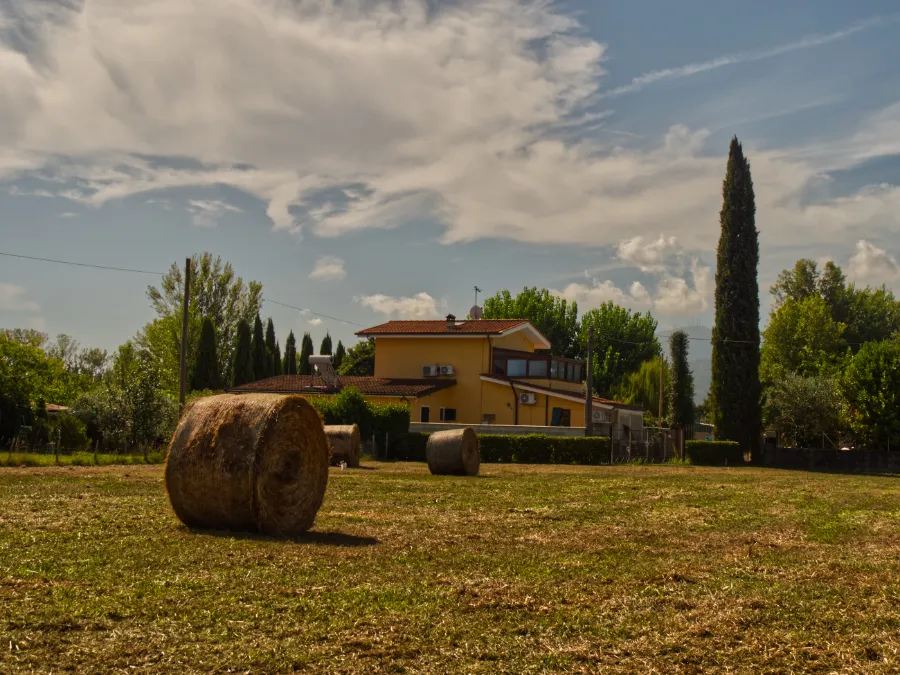
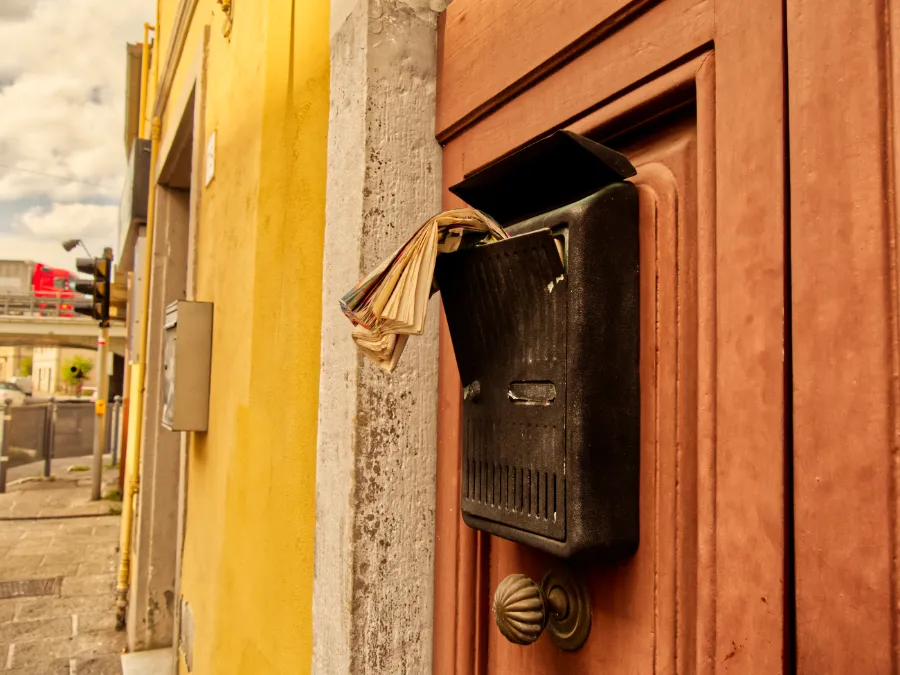
Leonardo and I were very different. He was bald, I’m getting there. He had just started his volunteer shift. Puffs of smoke came out of his slim cigar and the book about the Bermuda Triangle had a lot of earmarks. He was the articulation of la vita e bella. I, on the other hand, was after a sleepless night and anxious to go through my to-do list. It slipped my mind to even introduce myself. How rude. I forgot that I was meant to…take a break and enjoy this trip? Leonardo slowly wrote my details in a guestbook, line by line. He paused to puff from his cigarette. This helped me unfurl like a bale of hay and get used to the road. I was only getting started.
I’m Florin and I’m bringing you avvisi from the Via Francigena for the next 19 days, as I walk from Lucca to Rome.
So many things to get used to - the meals with two huge courses (where you discover that your stomach may be its own entity); the Lumix GX8 camera that I’m using for the first time; shooting in raw format and editing photos (never done that before); taping my feet before walking; all the food places clearly superior to the UK’s standards, yet closing at lunchtime. These are the house rules.
It came as a surprise, but the first days of this walk may be like the start of a 10-day silent Vipassana retreat. There, in the first 3 days you replay all that you’ve read, listened to, talked and worried about in the last few weeks. Only then, you are ready (unless you’re a pro) to sit and do the simplest thing: watch your own breath. In similar fashion, today I noticed that I need time to let go of inhibitions, especially social ones. Saying hi to people, asking for some water when you’re out, snapping candid shots or asking locals if you can take a portrait of them should all be part of the walk, but I found myself being inhibited. A bit like not finding my words or muscle memory. A guy walked with a saw in front of me and it would’ve made a great photo. Why didn’t I snap it? In-hi-bi-tions.
We’ll change that, because the more photos, the more material to craft these avvisi in the evenings. I tend to vomit every single thought on paper and then start refining. The more raw material, the better. Kevin Kelly said at some point: “Don’t write and edit at the same time.” I think that applies to photography habits on a walk. I was inhibiting myself from snapping shots, editing in my mind, as a guise to the real driver: some weird shyness of not wanting to disturb people.
Cities can have ambitions. What do people talk about and aspire to? London’s used to be “being hip” and it probably still is. Lorenzo de Medici (we’ll meet him later), described Rome in the 16th century as a “sink of iniquity”, due to its seven thousand prostitutes in a population of less than 50,000. Hard to say what the ambition was there.
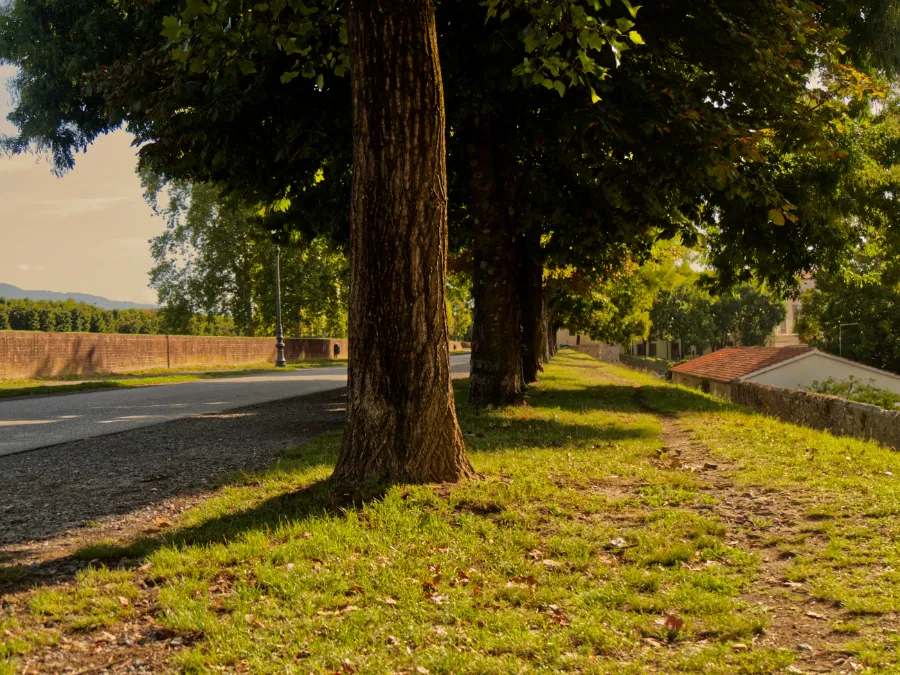
These ambitions work a bit like emergent properties and they’re hard to plan. Walking the old city walls of Lucca, I take a wild guess. The ambitions layered here were those of independence. Lucca was one of the largest Italian city states (think Florence, Venice, Genoa, Pisa) that didn’t want to take any shit from some capricious ruler. As an independent republic, Lucca was fighting and making alliances left and right. For instance, Altopascio (my destination today), was the site of a battle in 1325 when Lucca defeated Florence and maintained its sovereignty. Even though the walls were never actually used in combat as defence, because Lucca’s conflicts all happened elsewhere, they signal a certain ambition.
Independent or not, this seems to be a cycle in Italian history. The Romans were adamant that the Senate needed to rule the city, not a monarch. Consuls, two of them at the same time, had 1-year terms. Then Julius Caesar formed the infamous triumvirate with Crassus (the richest man in Rome) and Pompeii (the most armed and second richest) to oppose the Senate. Lucca was where they held their conference in 56 BC to solidify their deal against the Roman ruling class. Many historians point to the triumvirate as the start of the fall of the republic. Then there was an empire for circa 500 years, depending on how you count. And then, back to independence: from the 14th to the 19th century, Italy was famous for its city states, usually governed as republics – some beta versions of what we’d call democracy today. We’ll get back to that later.
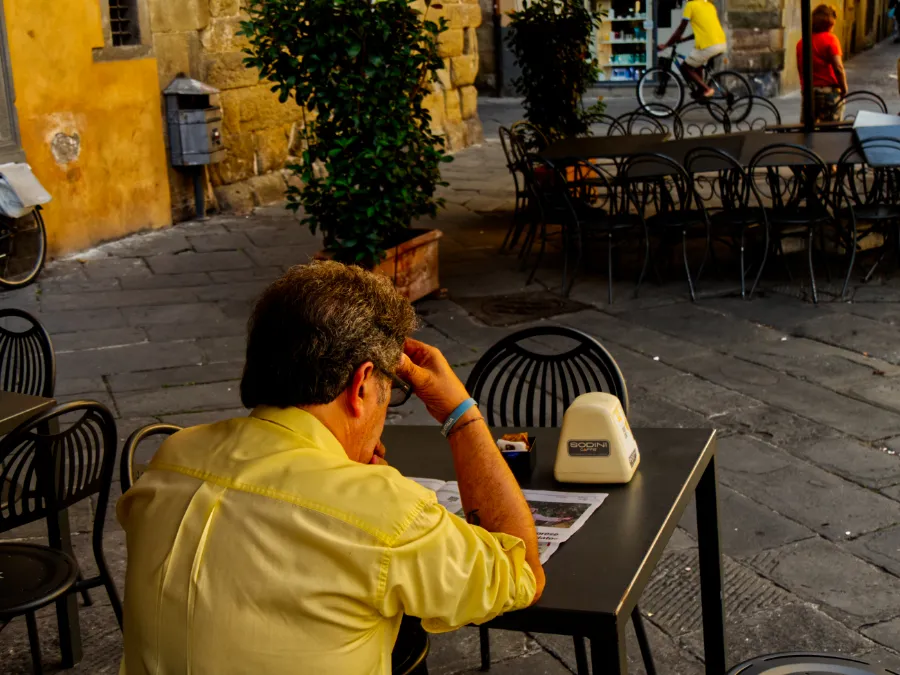
So, Lucca’s city walls were there to protect and say “We’re here to be independent!”, fingers pointed at Modena, Florence and Pisa. The walls are now a public park, as Maria Luisa de Borbón of Spain (the ruler at the time) decided in the 1820s. Today, Lucca’s independence may be observed in other ways. Leonardo was free from stress, like many of the people on the street (I notice these things, coming here from London). There are still little shops where you can fix your glasses and your broken electronics. I don’t think I could see a food chain. Whether they manage to keep it like that in this world, only time will tell.
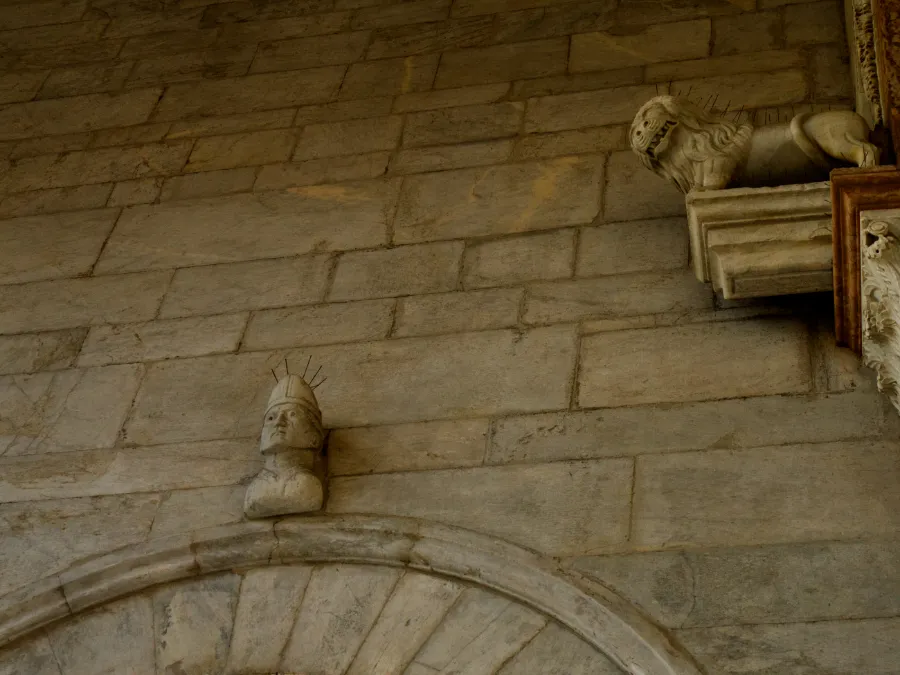
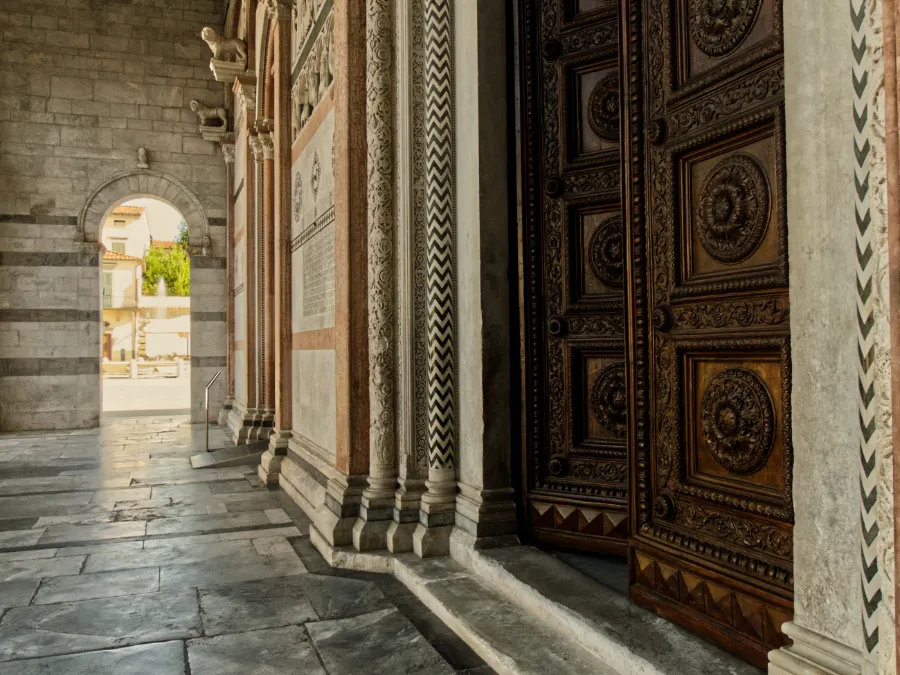
I started from the San Martino Cathedral in Lucca and onwards I walked, on the old city walls with church bells in the background. After a kilometer or two, the soundscape was minimal: only my footsteps, birds and the insects hiding in the grass. The latter’s chirping in the scorching sun made me feel like we’re in a frying pan. We were sizzling and everything was so still. I was starting to get used to it.
Another thing to shed from my daily habits was the constant map checking. I decided to get used to just seeing the next “Via Francigena” indicator on the road when it comes up and not check Google Maps multiple times a minute. It’s okay if you take the wrong turn (which I did a few times).
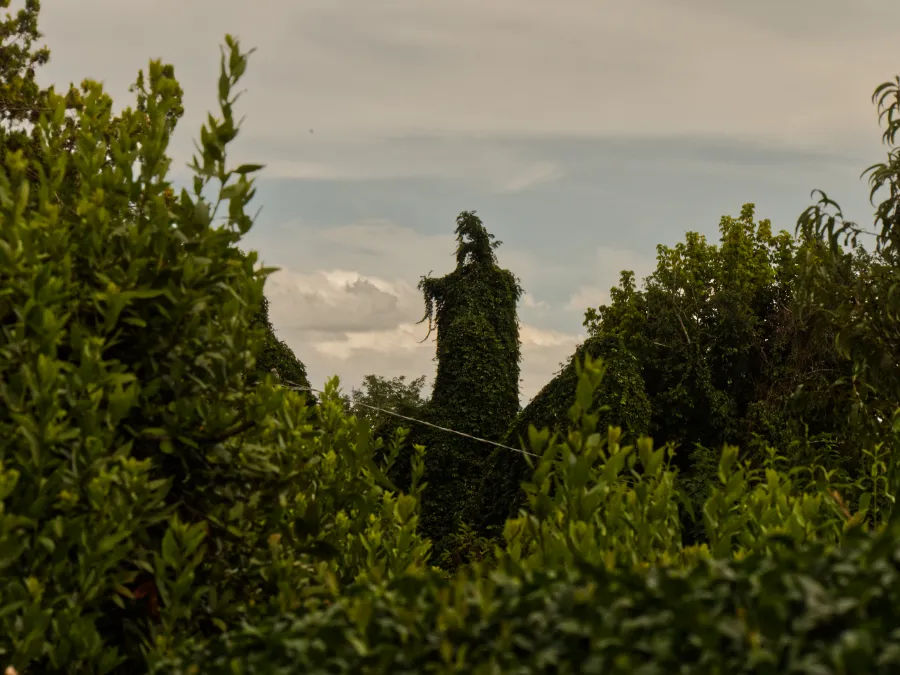
And then, like a snake shedding its skin, came the most difficult part: leaving expectations behind. “I’m supposed to see Tuscan Hills and beautiful landscape, not industrial parks and roads. I WANT TO WALK IN THE FOREST,” the radio host in my mind was screaming. The good part was spotting more inanimate friends, who remind you to rid yourself of expectations. Pilgrims on the Via Francigena used to hear La Smarrita - a bell that monks rang at dusk and in the evenings to guide pilgrims to safe passage. I thought about what is guiding me.
I’m turning 30 right when I finish this walk. It’s arbitrary, of course, but a good excuse to attempt some reflection. I had one question on my mind: “Why did I do what I’ve done in my 20s?”. I started a neuroscience PhD and then dropped out. I spent 7 years working on a learning start-up that towards the end made me ask “What am I doing here?”. I’ve learnt plenty, of course and there are few things I would do differently. But why did I do these things?
Let’s see if this metaphor works. I think I cared more about the vehicle than the experience of driving. The vehicles were “doing a PhD at a respected university” and “working at a start-up with the potential to change how young kids learn”. They were “cool“ things to do and I’d say them proudly when someone asked me “What do you do?”. Now, I cared a lot about the topics I was working on, but what drove me initially and kept me going was the wrapper around the activity, not the activity itself.
As I step into my 30s, I think I care less about the vehicle and its brand and more about what it feels like to drive. Regardless of the car, I want the topic of choice to interest me and pull me forward, not have to push a vehicle up the hill. Sometimes, you can get further with a Fiat than a Lamborghini if you drive the right way (see, the metaphor worked). This may also be part of the great unfurling of life.
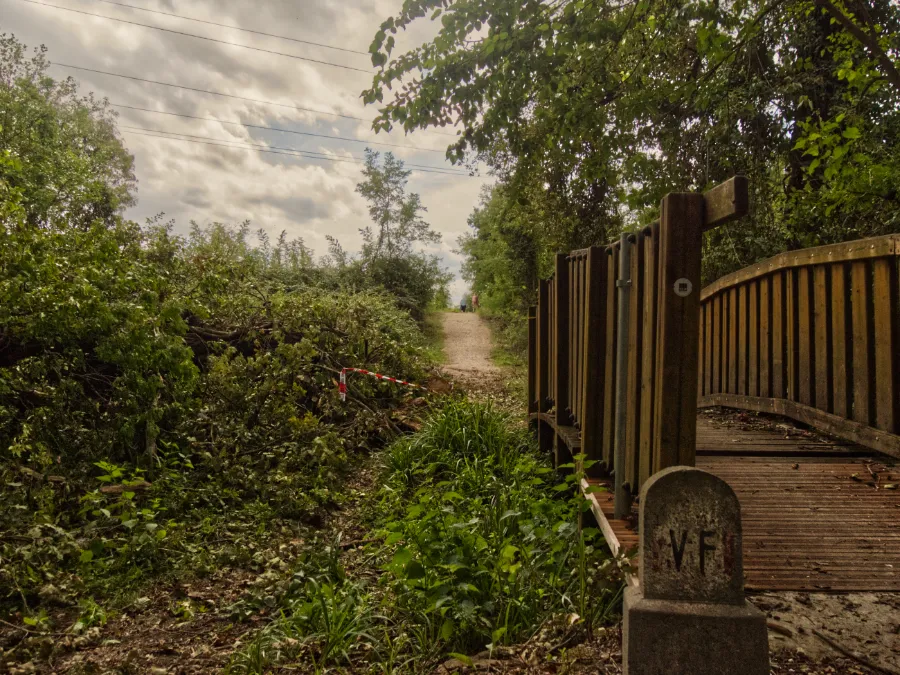
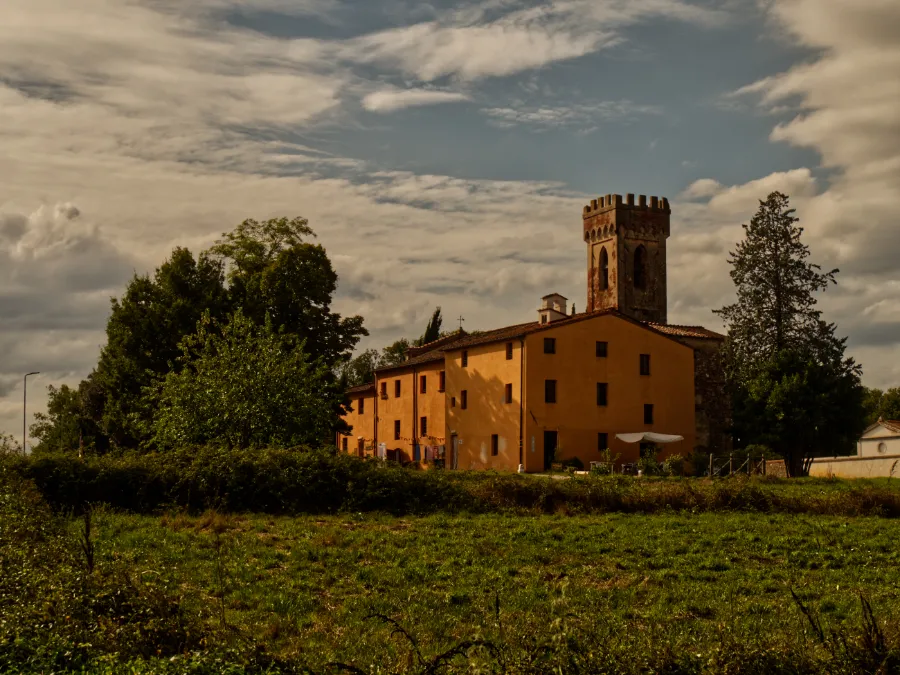
“PEE-ROO! PEE-ROOP!” The bird’s call was like an 8-bit video game. Checkpoint unlocked. Towards the end of the 18km, I found what I was looking for. The radio host in my head got what he wanted. I walked around, engulfed in greenery. These are the house rules. You first put in the effort, then you get the reward. Better to shed the expectations altogether. I thought I knew that, as I repeat it to friends often. Time to walk the talk, Mr. Hypocrite.
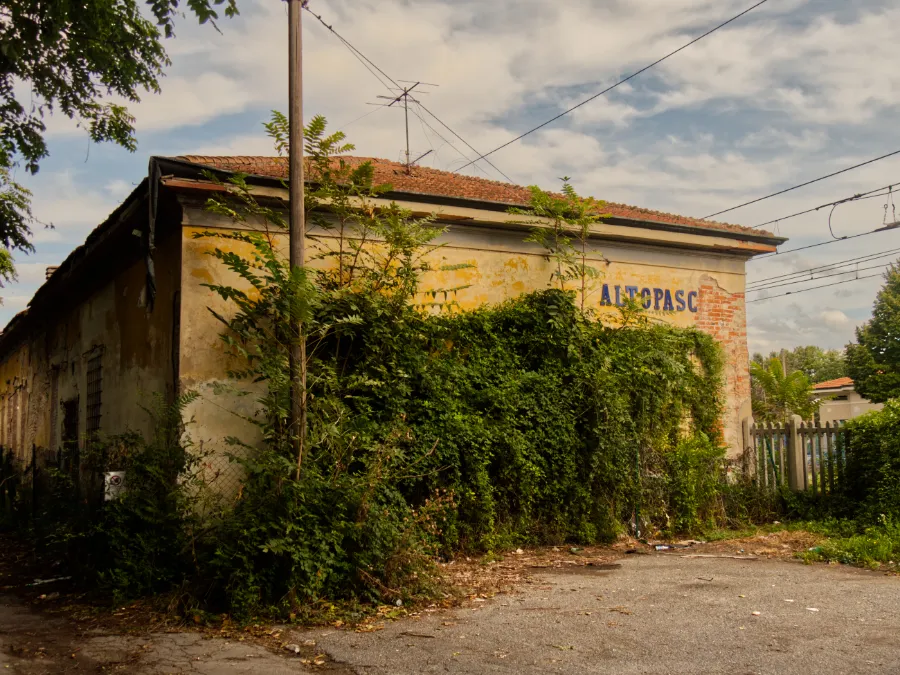
That’s it for the day. After a lovely dinner with the other pilgrims and cantucci dipped in sweet wine, I am ready for bed. Tomorrow we have about 30 km to cover and a whole lot more expectations to shed.
Saluti,
Florin
Notes
- 1. If you’ve joined after Day 0, it’s great to have you here. You can always find previous dispatches at https://twobob.uk/avvisi/day-0/, day-1, day-2 and so on.
- 2. I know, of course, what the metal spikes on statues are for – to deter the flying rats that pigeons are.