⚜ Avvisi
Day 10 - Ghino the bandit
Gallina → Radicofani (17 km)
If you missed the other days, you can access them here.
We’re halfway there to Rome. We entered the cathedral that this walk is, took a few steps, shed expectations along the way and unfurled like round bales of hay, walked the vineyards, learnt how to practise slowness, gobbled finocchiona sandwiches, survived a thunderstorm and found out about the plot to get rid of Lorenzo de Medici. Thank you for following along.
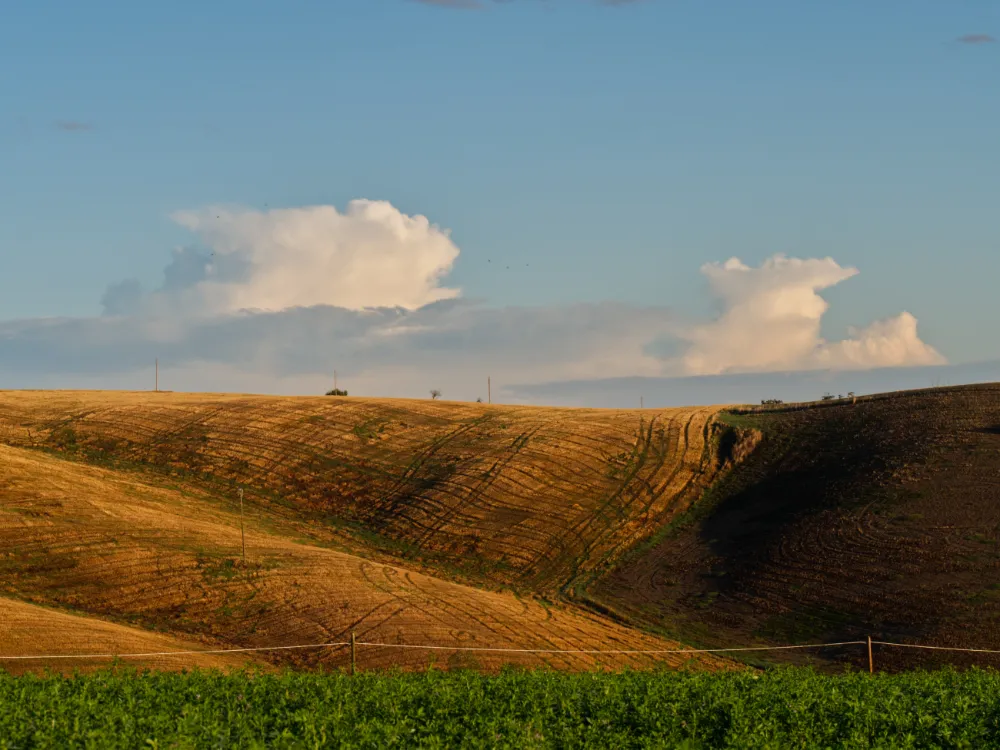
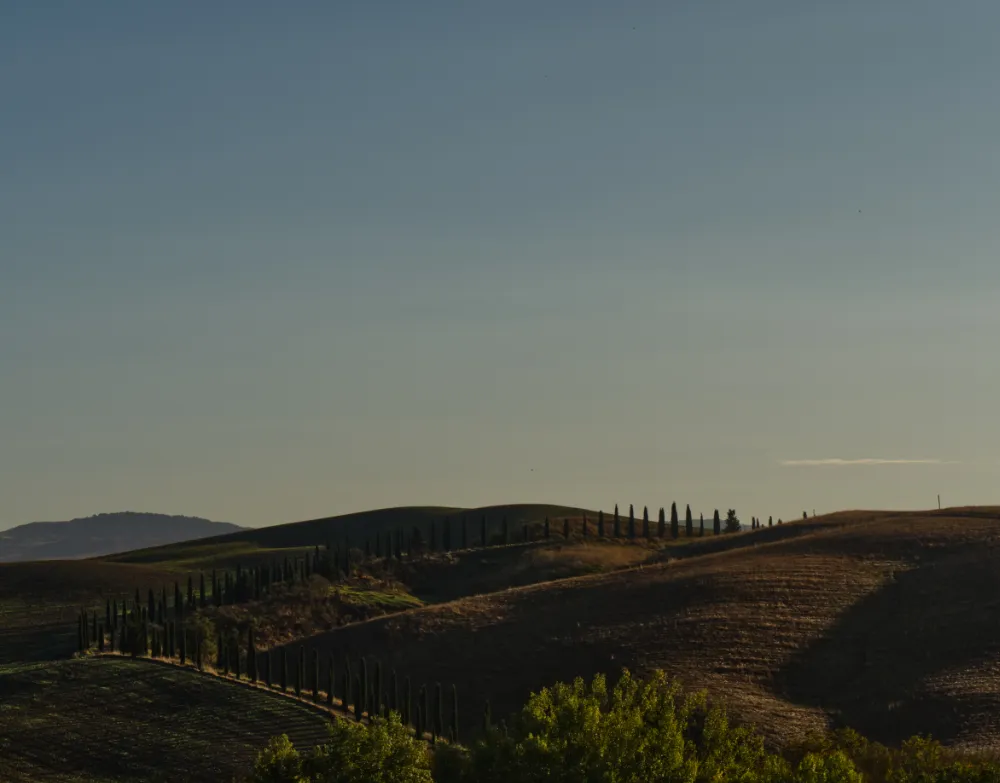
The day’s hilly paths led us to Radicofani - one of the last fortresses between the former Sienese Republic and the Papal States. Dogs didn’t like us much today. Woof! Woof! and Grrrrrr! and they got a bit too close for my taste at some point. We kept telling them: “None of us is Ghino, why are you barking?”
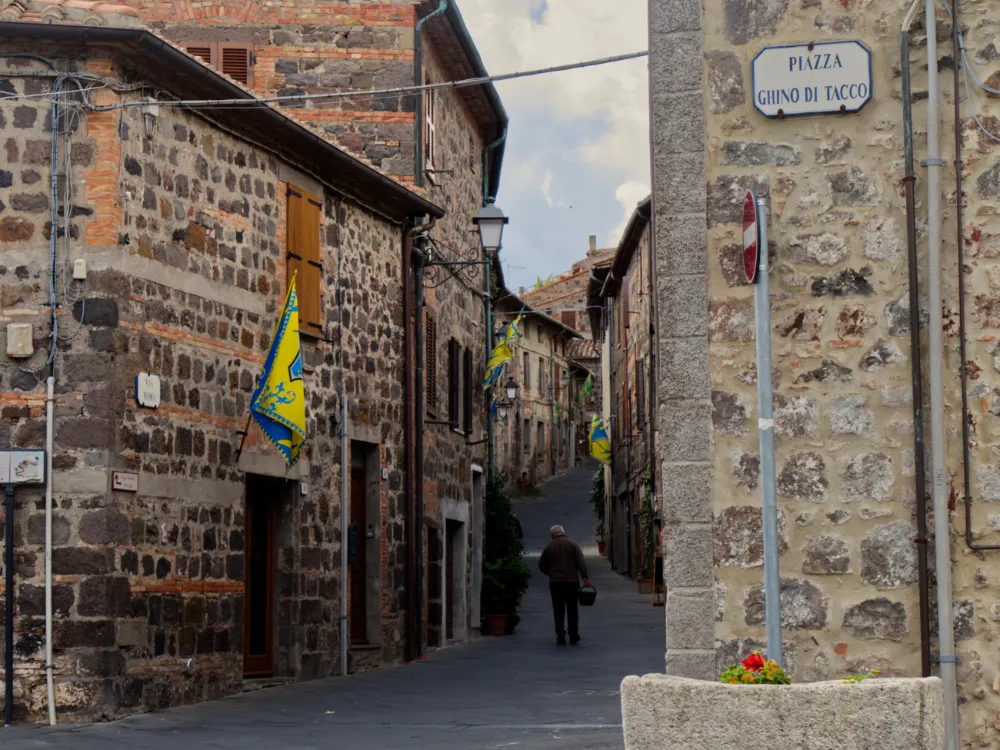
In the late 13th century, Radicofani was the base of Ghino di Tacco, a bandit, an outlaw, a misfit. Many dubbed him the “Gentleman Bandit”. What we know of him is mostly myth and legend from Boccaccio and Dante. Like all people who get into trouble, it all started with his dad, Tacco, who took him and his brothers plundering together. The Sienese wanted the gang’s heads and in 1286, they executed Tacco in Piazza del Campo in Siena. Ghino, the son, would not be deterred.
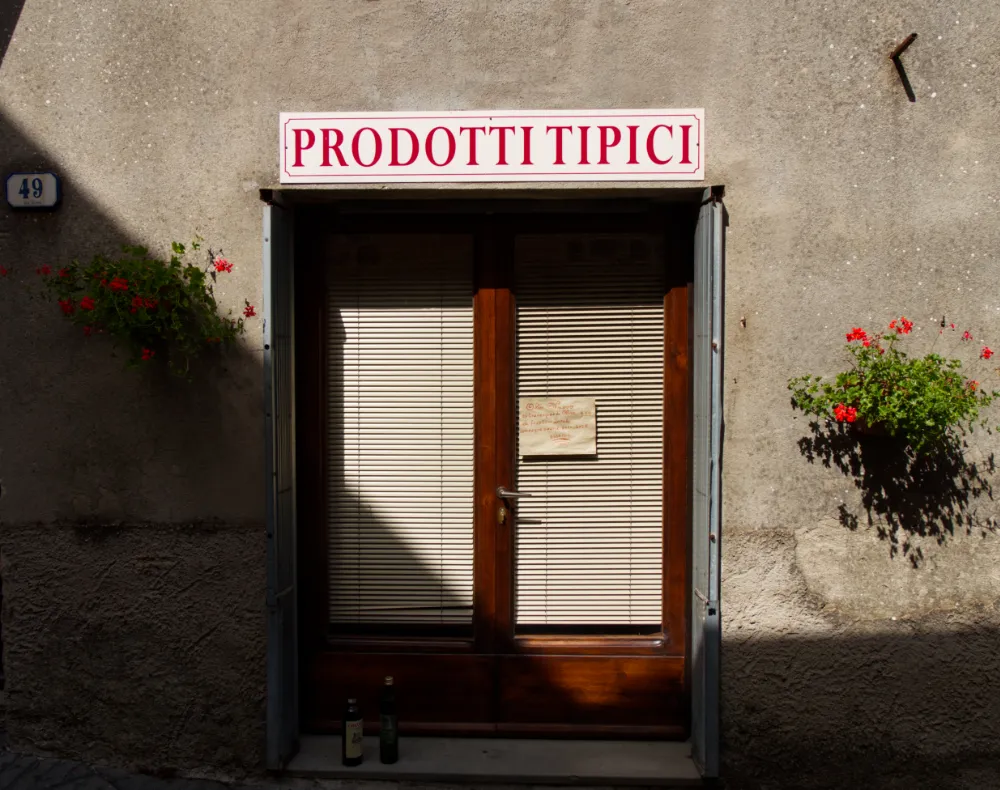
Ghino was perhaps typical of his time. His roots were of nobility. Yet the Sienese church imposed higher taxes on the land, so he and his family “had to” resort to plunder and banditry. The routine looked a bit like this: hide by side of Via Francigena and see who’s passing. Stop them, show your colours and make an assessment – a bit like HMRC or the IRS: how much are you worth? The poor would pass without harm. The rich, he-he, would have to do what the rich do: pay the gabella. Merchants usually had to give almost everything they had with them, but just enough to keep on going. Were they to be held for ransom, Ghino would offer them grand meals and treat them well. Sounds decent for a bandit, right?
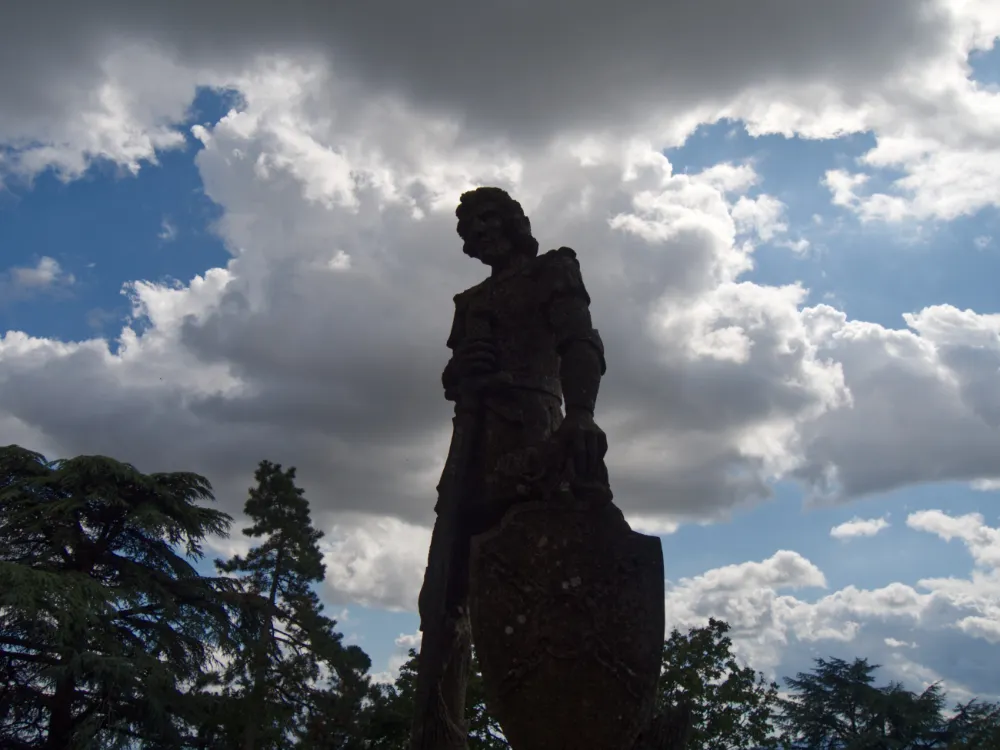
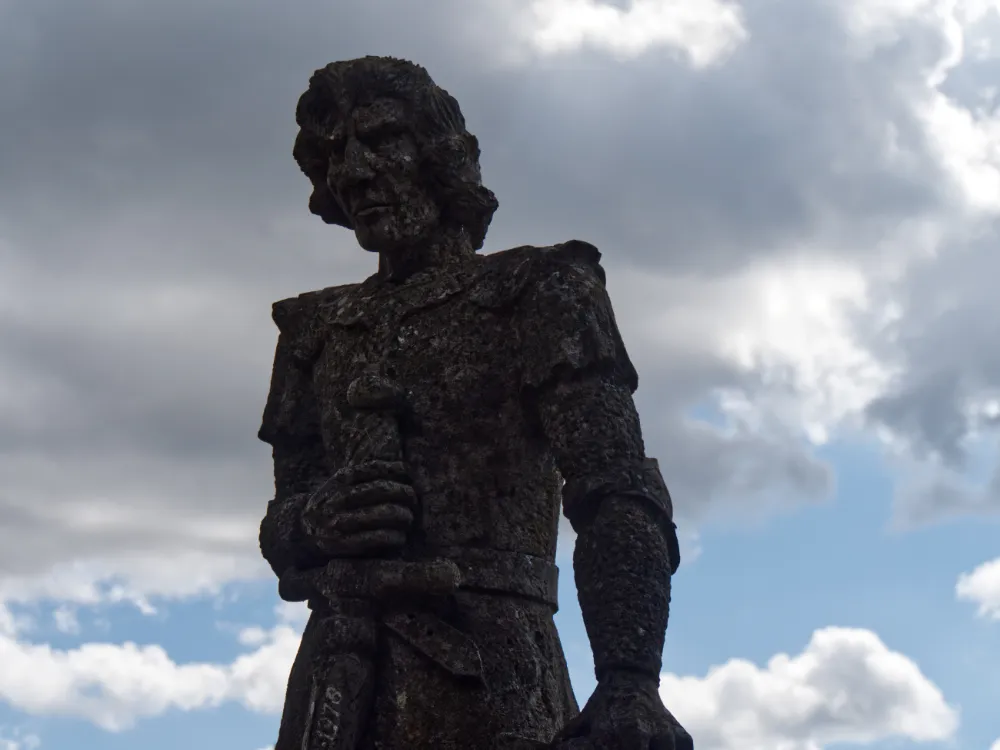
He may have been one of these charismatic guys, who just meant business. It was all just part of the job for him. But there’s a reason Dante mentions Ghino in the Purgatory, in the context of the death of Benincasa da Laterina, a magistrate and judge at the time. The gentleman bandit wanted to avenge his Tacco’s death. Benincasa had ordered the hanging of Ghino’s father. With four hundred men and a pike, the bandit marched into Campidoglio, found the Papal tribunal, broke down the front door and spotted his target behind a desk. He beheaded the guy with his father’s sword. As custom goes, he then impaled Benincasa’s head on his pike and brought it back to Radicofani to put it on display for some time.
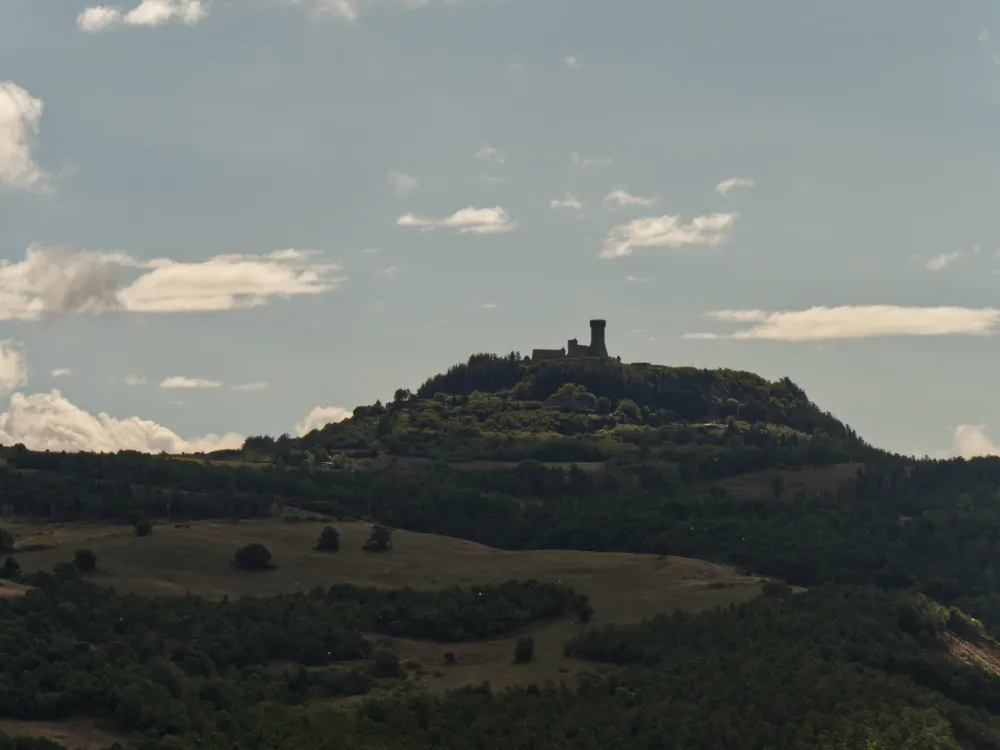
I think about today’s Ghino: robbing you of the most precious resources, but giving something to keep you going. The contemporary bandit takes the shape of all of the distractions that keep us from doing what we actually want to do. We have all encountered Ghino in one form or another. He comes out of the bushes, stops us and tries to get all of our time, attention and energy. He feeds us a tasty meal full of dopamine. Sometimes, he’s very subtle about it – he is, after all, a gentleman.
I’m writing this at 10pm. Outside, trumpets and drums are parading through the streets. Just like Siena, Radicofani has contrade (think of them as a mix of neighbourhoods and Harry Potter houses). They compete with each other, display their flags, throw dinners and parades. They have elaborate rules about which contrada you belong to depending on whether your bedroom or your kitchen is in one neighbourhood or another. I managed to dodge Ghino today, but tomorrow is another walk. After 23 km we’ll be out of Tuscany, into Lazio, closer to Rome.
Til tomorrow,
Florin