⚜ Avvisi
Day 13 - The Pazzi conspiracy
Bolsena → Montefiascone (16.5 km)
If you missed the other days, you can access them here.
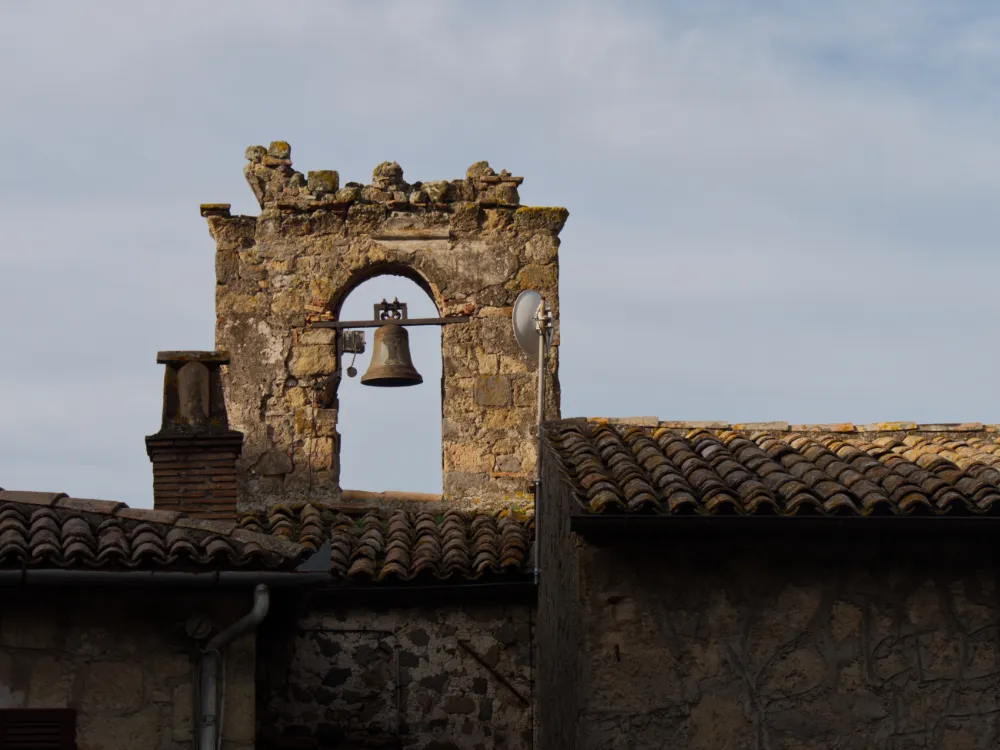
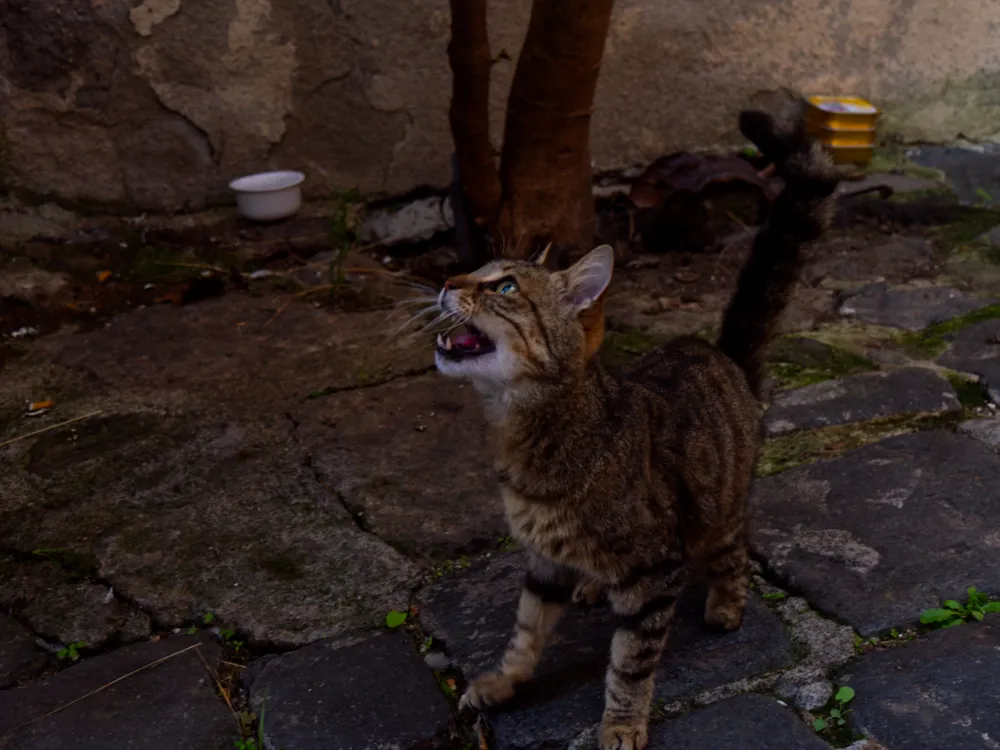
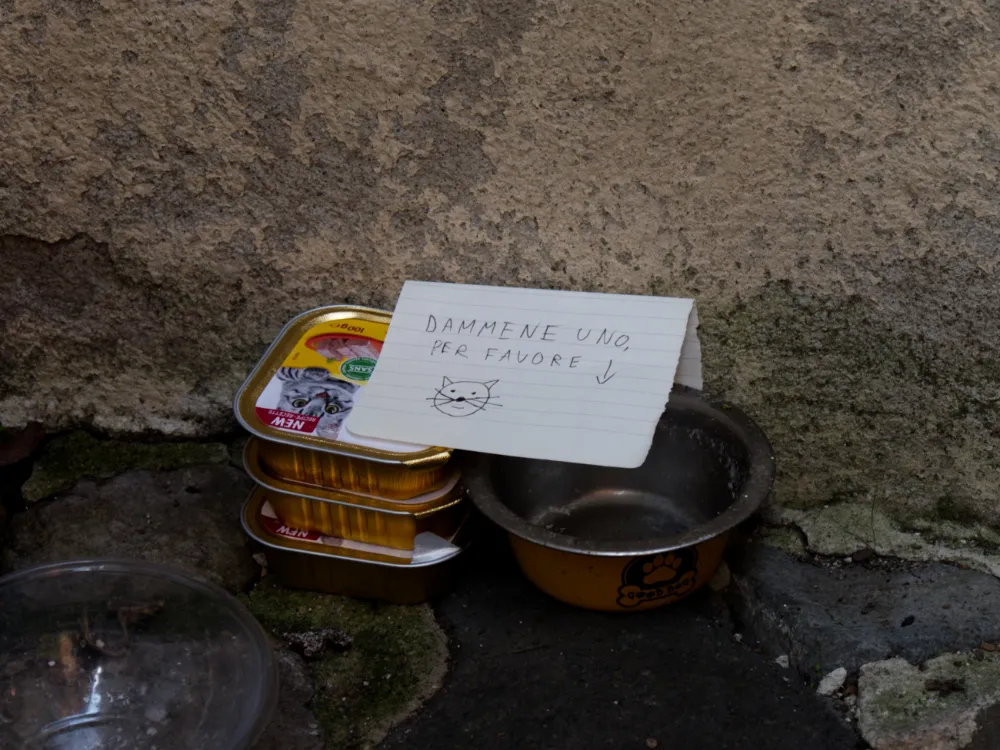
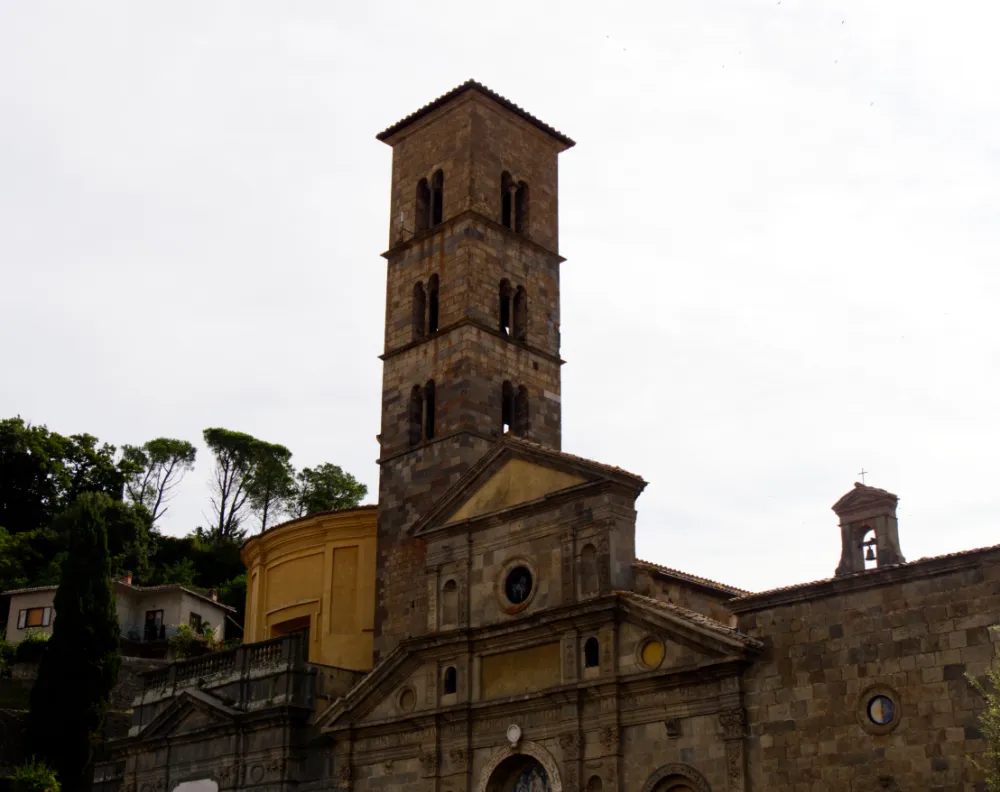
I love days with a slow start. Today was one of them. We dipped into lake Bolsena and fed the local cats. As we set off along the lake, the church bells rang, as they have every day for the past two weeks.
On April 26th 1478, the sanctuary bells of the Cathedral in Florence rang for Sunday Mass. The congregation lowered their heads in respect, listening to the hypnotic sound. Amongst them, Lorenzo de’ Medici was in the ambulatory, behind the High Altar, surrounded by friends and two fidgety priests right behind him. His brother, Giuliano was on the other side, having limped to the Cathedral with the help of Francesco de’ Pazzi – a member of the rival banking family. He had fetched Giuliano for Mass with unusual courtesy and amicability. As the sound of the bells filled the Cathedral’s rooms, the plans of the Pazzi conspiracy were underway.
A few weeks before, Pope Sixtus IV made it clear that he wanted the Medicis dealt with. “Nobody should die in the matter,” he emphasised. Yet, the other conspirators, led by Francesco de’ Pazzi, took the Pope’s frustration for a sign that he would condone the assassination of Lorenzo and Giuliano de’ Medici.
The Medici did not rule Florence as kings. Rather, they ensured that the majority of people elected to the Signoria, the Florentine government, were partial to them and their interests. Both the Pope and the Pazzi family had to gain from a change in Florence’s leadership. To do so, they planned to get rid of Lorenzo and Giuliano and hired Perugian mercenaries to march into the Palazzo della Signoria after the Medici brothers’ assassination and take over. Archbishop Salviati was to lead the coup.
As the bells rang, the fidgety priests drew their daggers and had a go at Lorenzo’s neck. They managed to pierce the flesh, but Lorenzo was quick to draw his sword and slash back. Panic ensued in the whole of the Cathedral. Having regained composure, he went past the altar to check on his brother.
Giuliano was there in a pool of blood, his body having been stabbed nineteen times in total. Francesco de’ Pazzi and another conspirator, Baroncelli, were thirsty for revenge, so they slashed and stabbed Giuliano as he fell to his knees from the blows. They then fled the scene to hide in the Pazzi palace and wait for the Signoria to fall and Florence to have new leadership.
Yet, the coup never happened. The Perugian mercenaries were all butchered in a room, where they were locked up without them knowing when received by the Gonfaloniere, the leader of the Signoria. He dealt with Archbishop Salviati, beating him to the ground and suppressing the attempts of the Pazzi supporters to win the rest of the population over.
The Pazzi conspiracy failed. The aftermath was terrible for those involved. All conspirators were hanged, dangling from the Palazzo della Signoria. All members of the Pazzi family involved in the plot were executed. They were to be banished from the collective memory of Florence. Their property was confiscated, traditions abolished and coat-of-arms removed. The only way Florence was to remember the Pazzi was as traitors – Botticelli painted all conspirators involved for 40 florins a head with ropes around their necks on the wall of the Bargello.
It was 4:45 pm and we got to Monastero San Pietro in Montefiascone. A nun received us. At 4:59, the church bells rang, calling everyone to prayer. As I’m writing this at 9 pm, the bells ring again. Their song is solemn, as if to make sure we remember that Sunday in 1478.
Till tomorrow,
Florin