Deeds and Sufferings of Light
Painting the French Riviera
Colours became charges of dynamite.
André Derain
The eye is the best of artists… and as the eye is the best composer, so light is the first of painters.
Ralph Waldo Emerson
The opalescent light of northern France gave birth to an avant-garde movement guided by fleeting sensations. Impressionists relied on cobalt, lilacs, violets, viridian, vermilion and white – a lot of it – to capture the chalky hills of Normandy, the misty Seine, the restless skies and the shimmering reflections in the water. They organised their own exhibitions and challenged the antiquated Parisian Salon. Within a few decades, names such as Cézanne, Degas, Manet, Morisot and Monet carried weight home and abroad. By the end of the 19th century, Impressionism no longer shocked anyone. Some of the very same painters were now seeking something beyond nebulous landscapes. Their search led them south, to the Midi. There, the light is different.
“I am seized by doubt, it seems to me that I am lost, that I will never be able to do anything?” wrote Claude Monet to Durand-Ruel, his Parisian dealer, in 1882. He struggled with the grey light of Pourville in northern France. Many worries gnawed at his peace of mind, starting with the household situation.
The Monet-Hoschedé household, to be precise, consisted of eight children, only two of whom Monet fathered; Alice Hoschedé, now adapted to cooking and scrubbing pans; Ernest Hoschedé, Monet’s former patron; Monet, the main breadwinner; and his wife, Camille. They rented a house in Vétheuil, 20km away from Paris, which was meant to be “an idyll of work and happiness” for Monet. In 1878, his poor finances and Hoschedé’s bankruptcy led the two families to move in together in an expedient household arrangement. Camille was pregnant and Alice could help nurse her. Hoschedé, who lived in Paris and rarely visited, could market the painter’s work. Left unspoken was the growing intimacy between Alice and Monet.
Vétheuil was everything but idyllic. Monet painted 68 canvases between the summer of 1878 and 1879. Only eight sold. Debts accumulated. Émile Zola, his early supporter, now criticised him for “hasty paintings”. Hoschedé sent little money, making Alice address him in letters as “mon cher ami” instead of “mon chéri”. Camille developed abdominal pain after giving birth to Michel, her second son. Soon, she was too tired to go on short walks. By August, she could barely eat.
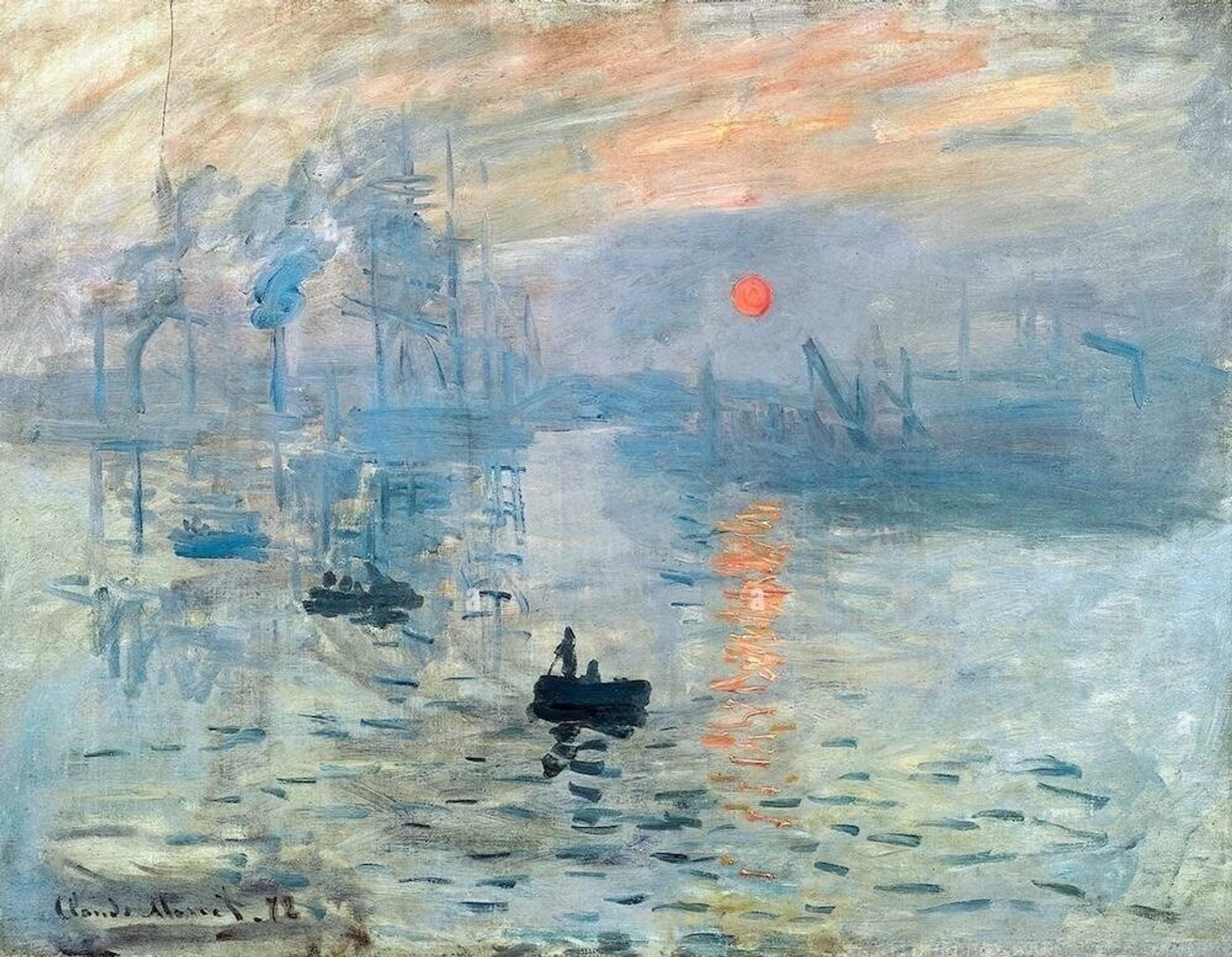
Impression, Sunrise, 1872
My poor wife succumbed at half past ten this morning, having suffered horribly. I am writing to ask you a new favour, which is to retrieve from the Mont de PiétéA pawnshop. the medallion for which I’m enclosing the ticket. It is the only keepsake my wife had been able to hold on to and I would like to be able to place it around her neck before she leaves...
Your very unhappy and pitiable friend,
Claude Monet
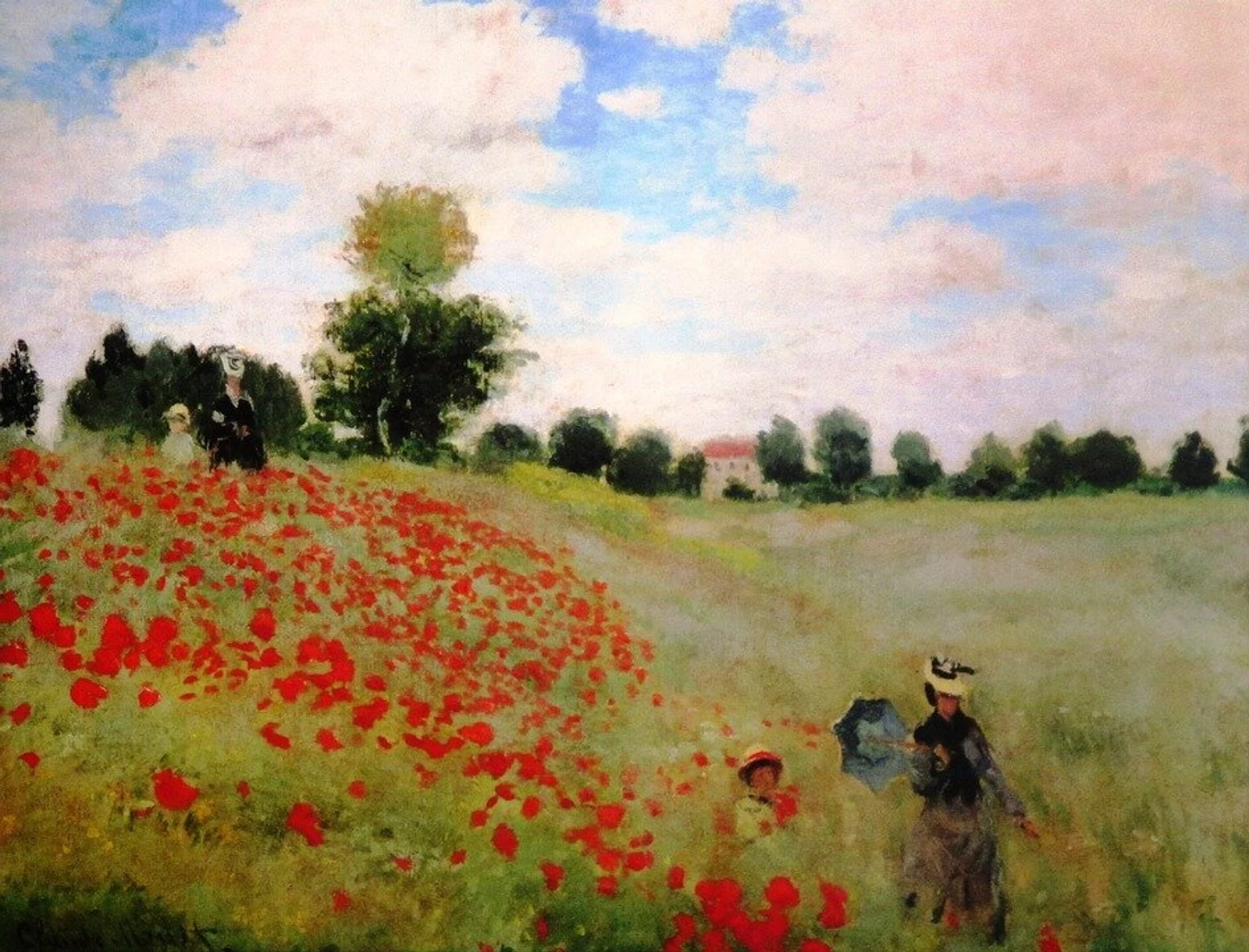
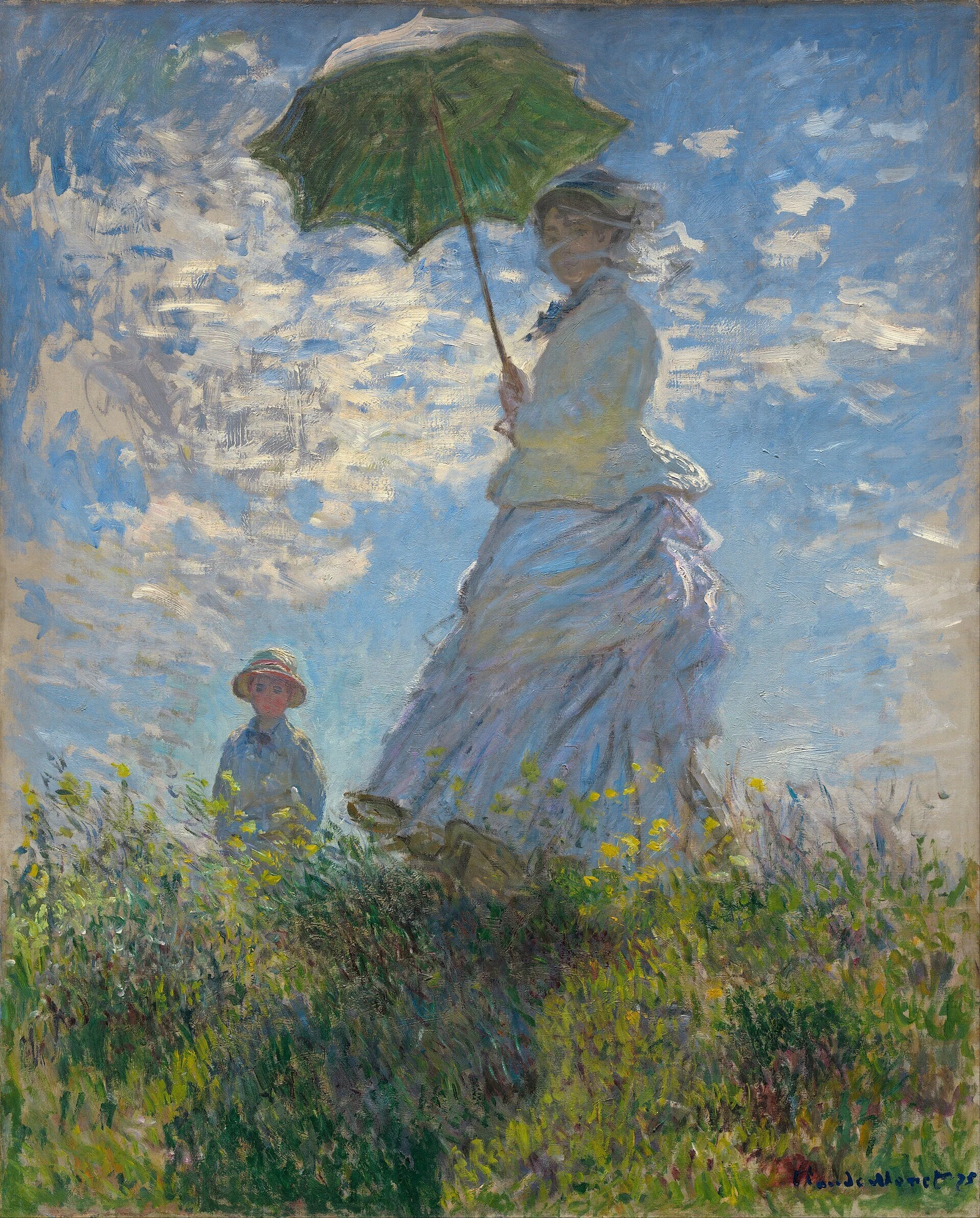
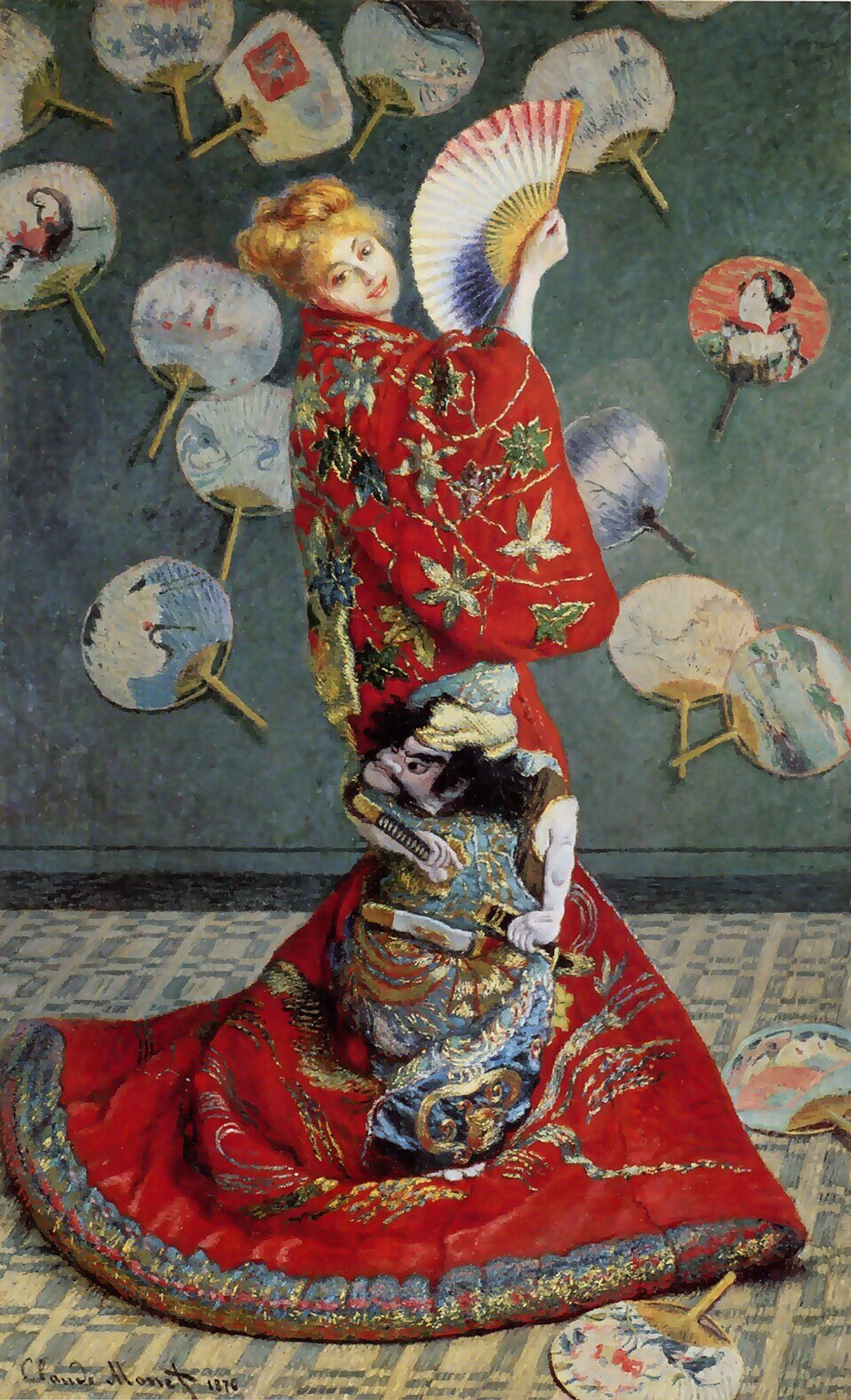
Monet became a painter in part thanks to Camille. Impressions of her in poppy fields, gardens and Japanese kimonos defined his early work. Now, he couldn’t bear to paint contemporary life. Transience occupied his mind and reflected on the canvas. He was “devastated, not knowing where to turn or how I’ll be able to organise my life with my two children. I am much to be pitied.”
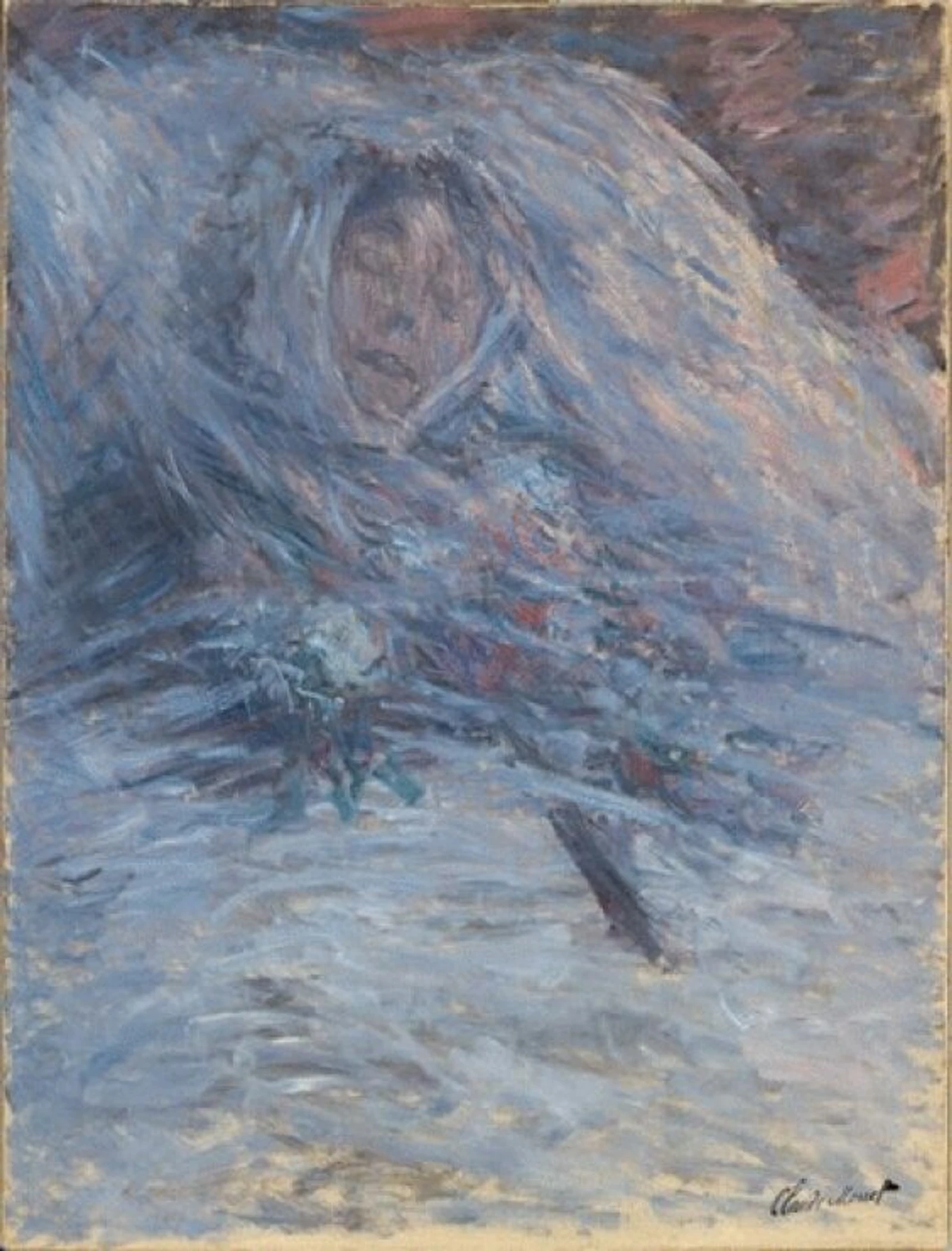
Camille Monet on her Deathbed, 1879
Camille’s death set Monet on a search that will last more than a decade, both in art and love. In late 1879, Vétheuil froze to record lows. He didn’t leave the house for two months, working and sleeping in the dining room. To deal with grief, he ventured into the frost, hot-water bottles in each pocket. He took in the white fields, the pale sun, the naked trees, the blocks of ice floating down the Seine. Without knowing, perhaps, this was his last collaboration with Camille.
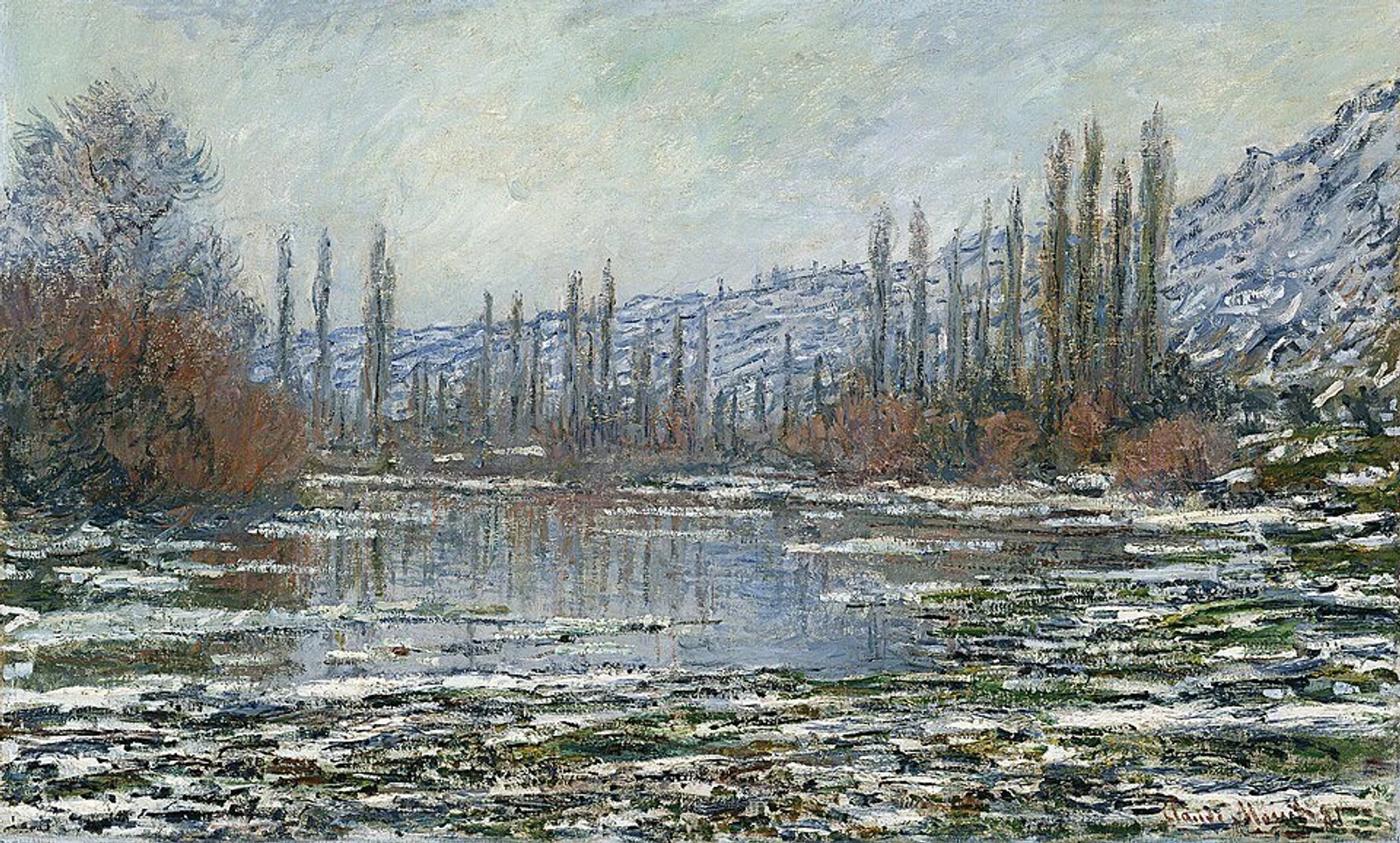
The Thaw at Vétheuil, 1880
Vétheuil offered bucolic landscapes, but no quiet. Hoschedé’s creditors barged into the house. No sign of him. They smashed vases and chairs. Alice had had enough of kitchen drudgery, chopping wood and a missing husband. Hoschedé called for his family to join him in Paris, without evidence he could support them. He didn’t show his face for his children’s birthdays in November 1879. They missed him and resisted calling the other man “papa Monet”. Tension reigned. Debts accumulated. Monet was offering his paintings for 50 francs apiece to collectors and slit several canvases in desperation.
In 1880, he did the unimaginable to some fellow Impressionists. He submitted to the traditional Salon in Paris. The daily Le Gaulois printed: “The Impressionist school has the honour of informing you of the grievous loss it has suffered in the person of M. Claude MONET”. Degas would not have him exhibit with the Impressionists again. Monet’s big bet was on his burdened impressions of winter in Vétheuil.
Meanwhile, the unresolved love triangle grew tense. Hoschedé promised to visit, but didn’t show up. Alice and Monet considered leaving Vétheuil together, but held off – that meant openly abandoning her marriage. Late 19th-century France jailed unfaithful wives and divorce was illegal until 1884. Alice feared losing custody of her children.
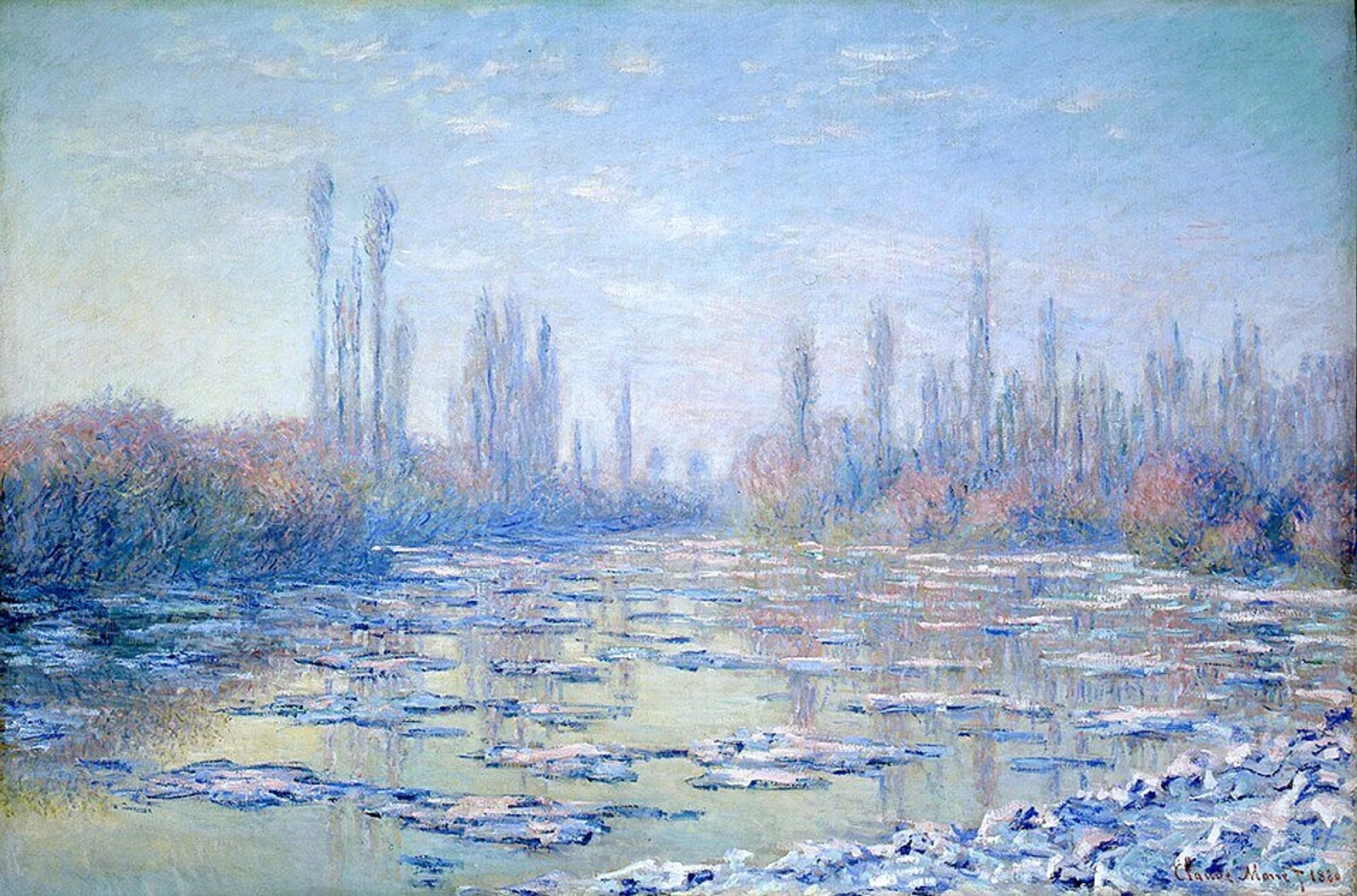
The Ice Floes, 1880
Monet’s bet paid off. The winter landscapes of Vétheuil sold for 1,500 francs each. Things were picking up in Paris. Durand-Ruel came in with a hefty order. By the end of 1881, the painter would no longer have to sell his canvases for next to nothing. In October, the lease on the house was up. The family found a place in “this horrible Poissy”, Monet grumbled. It came with the qualities of a commuter town: a connected train station, cheap rent, decent schools and bland surroundings. Proximity to Paris was an invitation for Hoschedé to settle matters with his wife.
Monet couldn’t paint with eight children in the cramped quarters, so he fled to the deserted fishing village of Pourville on the northern coast in 1882. The cloudy skies and grey light didn’t help. Hearing of Hoschedé’s visit to Poissy, Monet wrote to Alice: “I am dissolving in tears: is it possible that I must get used to the idea of living without you?… I remained looking stupidly at the waves, wishing that the cliffs would crush me.”
Now, doubts accumulated.
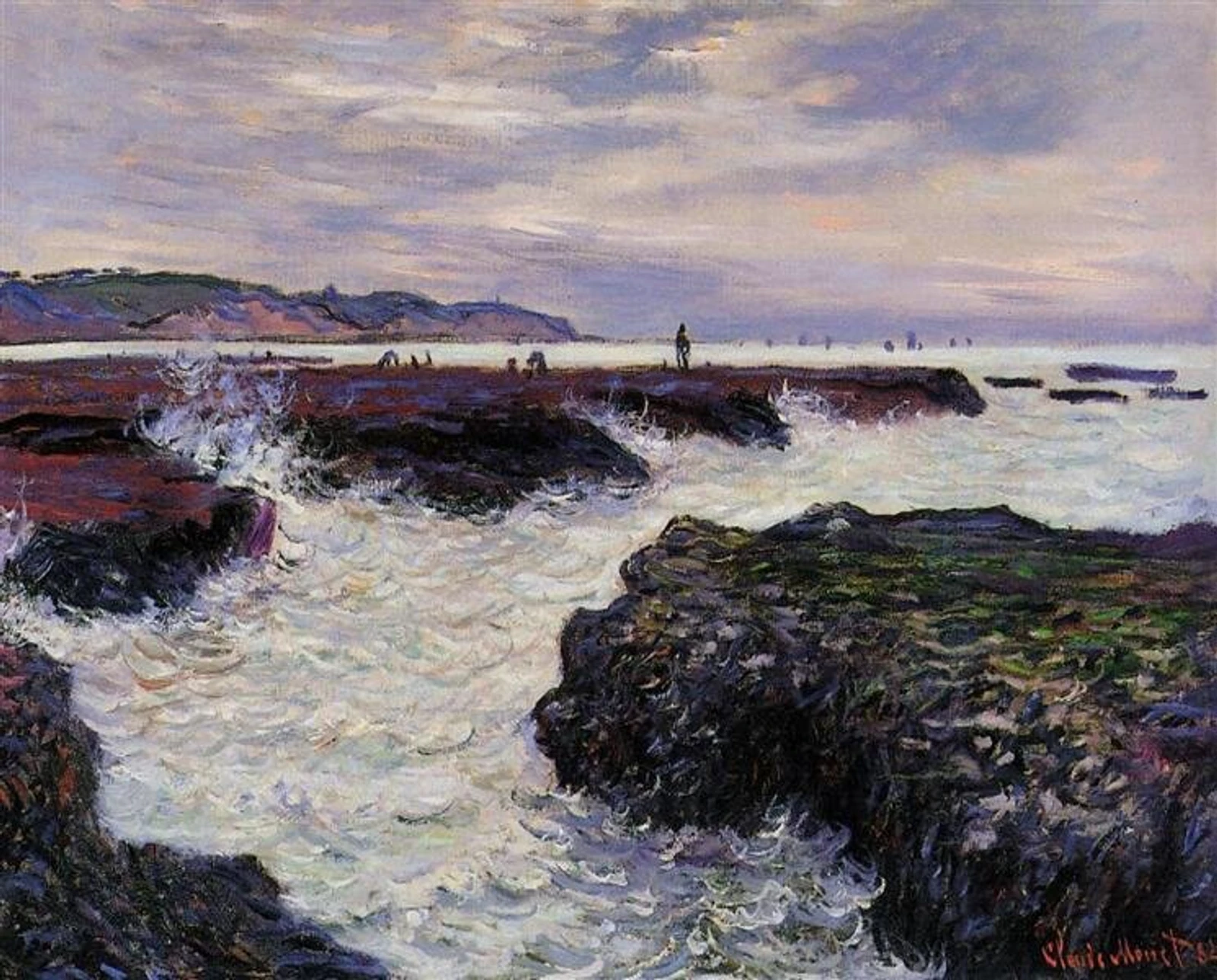
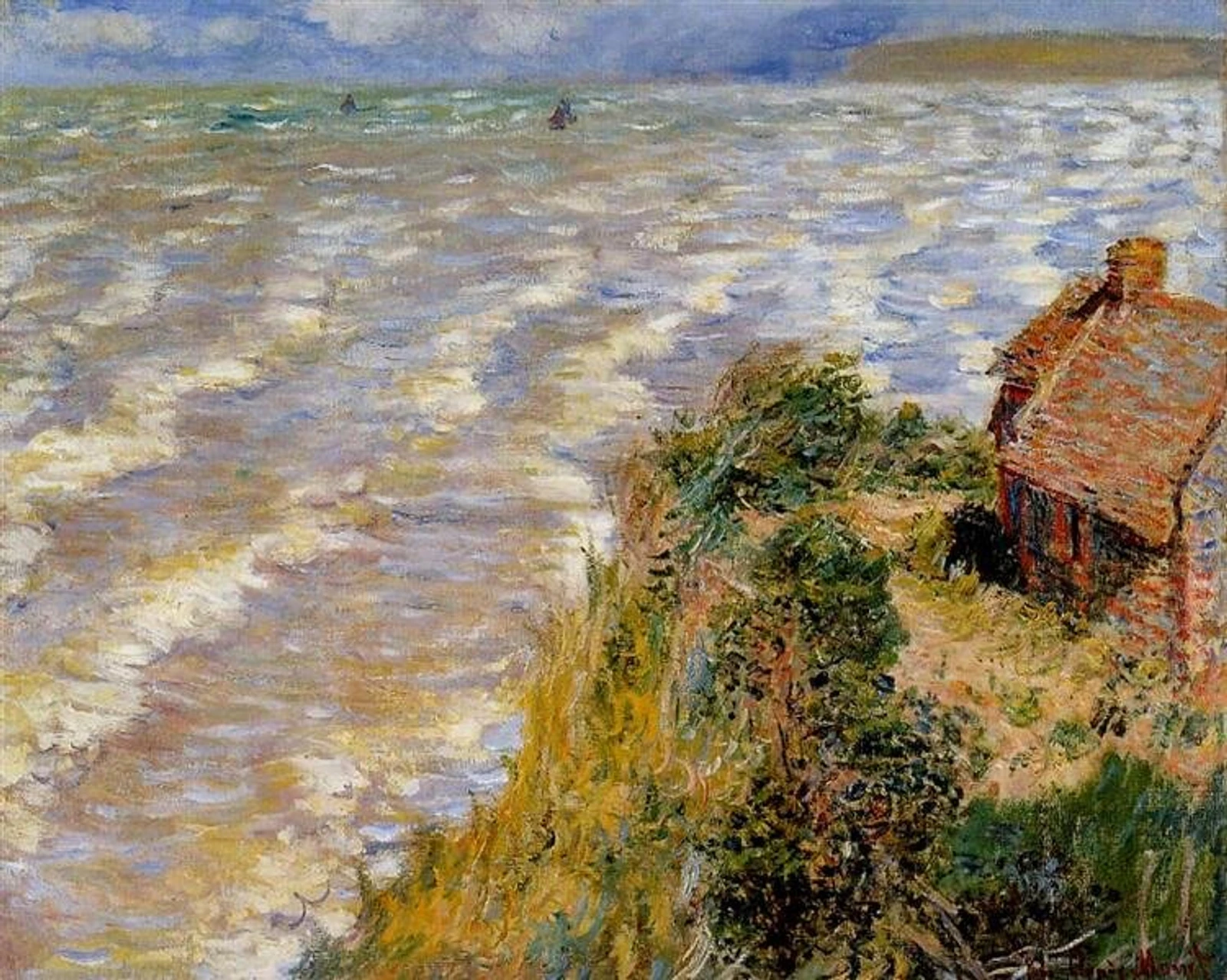
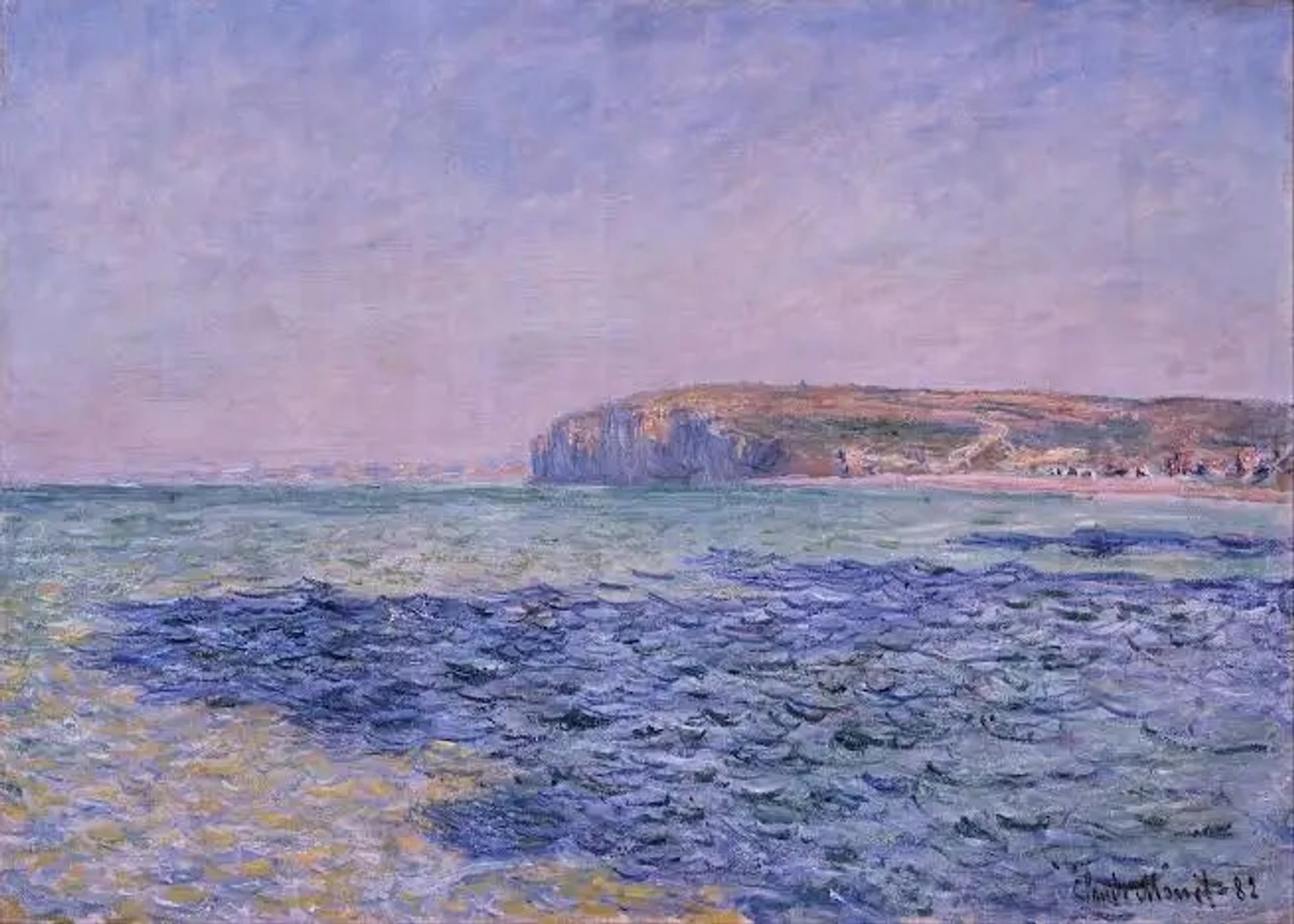
The Rocks at Pourville, Low Tide, 1882
“We’ll mint money,” dealer Durand-Ruel reassured him, attaching 1,500 francs. “Never have you been on a surer path or of better inspiration?!”
Monet resorted to what he knew best. Out in the storm, soaked to the bone, no matter what, he painted. One hundred canvases in half a year. They sold like fresh baguettes. He wrote daily to Alice, who was worried about the elephant in the room – Hoschedé, whose tactics included aloof silences, rare visits and requests to bring the family to Paris. His tactics were aloof silences, punctured by rare visits and requests to bring the family to Paris. Fear of losing child custody kept looming.
December 1882 featured a flooded Poissy house, the children floating to the Christmas table in a dinghy with no father in sight. Monet made it clear to his rival: should Alice and the children move out, Hoschedé would have to settle thousands of francs. Alice broke the stalemate in her letters to her husband, who became a fading memory in the household. The Poissy lease was up, so Papa Monet moved the whole family to Giverny in April 1883. Once again, he hoped for inspiration, peace and quiet.
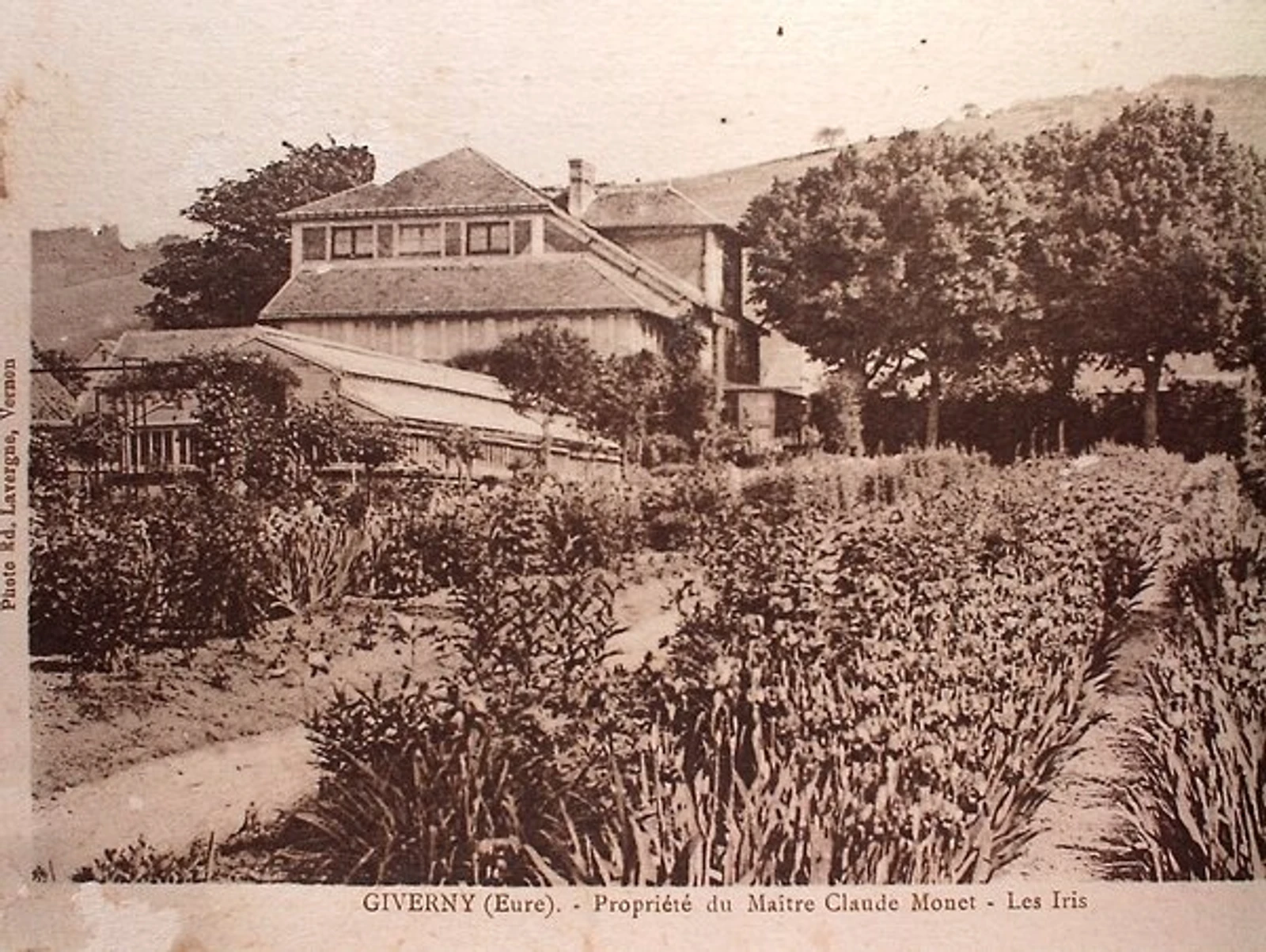
“I think I’ve made a terrible mistake in settling down so far away,” he wrote in June. Manet, his life-long friend, died in May and Monet had to borrow money for the train ticket to Paris. Compared to the fruits of 1882, he only painted thirty landscapes, most in Étretat, on the coast. Luncheon under the Canopy started out as his hope for Giverny: a full table with the whole family. Monet couldn’t get himself to finish the painting. Only two people sit at the long table. Again, he was stuck.
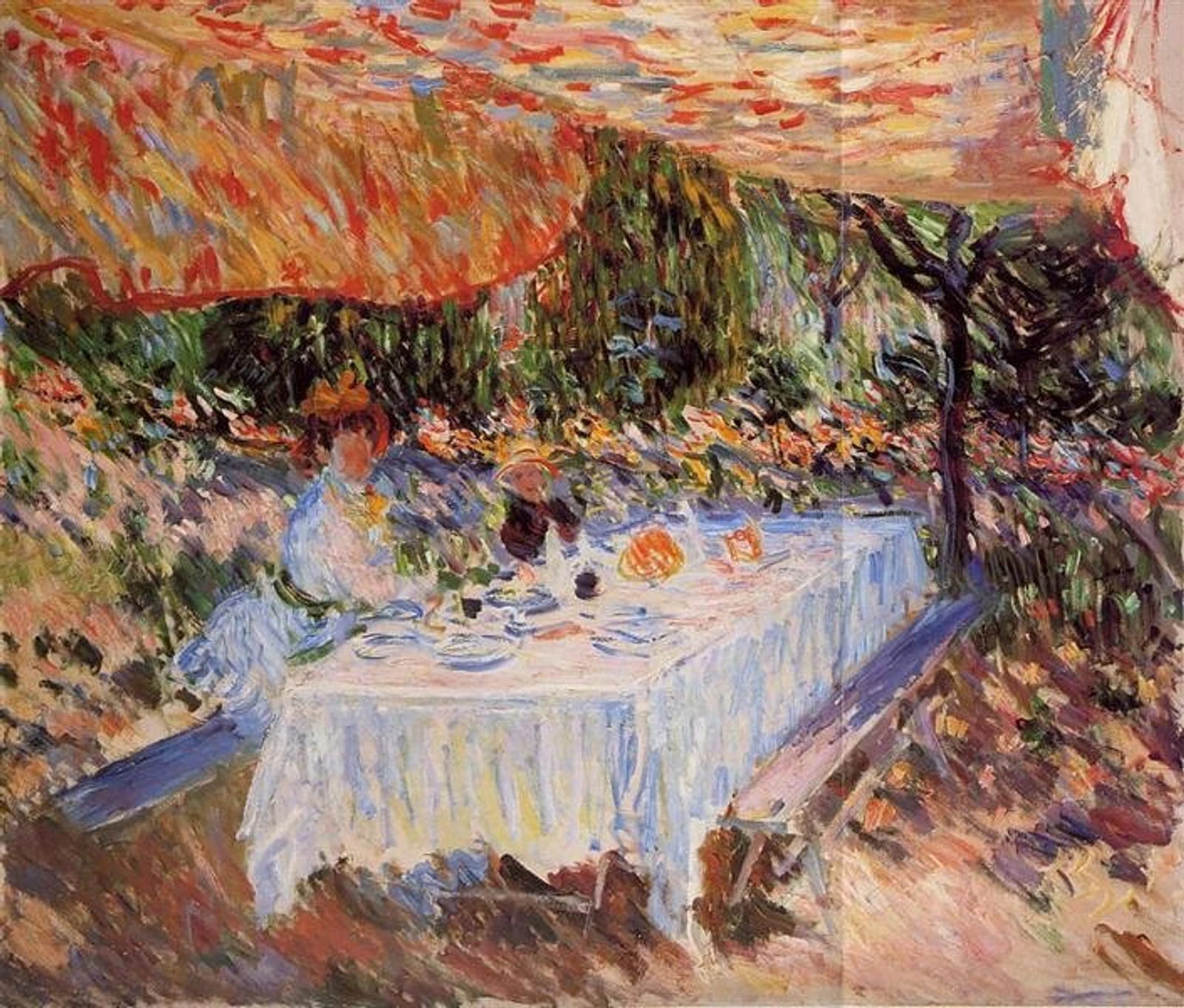
Luncheon under the Canopy, 1883
On December 8th 1883, the Calais-Nice-Rome express opened. A week later, Monet’s fellow Impressionist, Renoir, invited him aboard. They spent a few weeks soaking up Raphael in Rome and frescoes in Pompeii. They scouted the Mediterranean coast and found Bordighera, an ancient town next to the French border. For Renoir, the trip marked his break from Impressionism. For Monet, it was a chance to work alone, as he had always done, following only his own impressions. In January, he went back to Bordighera by himself.
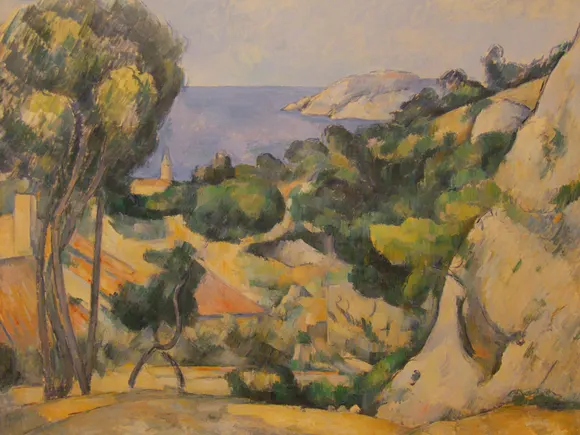
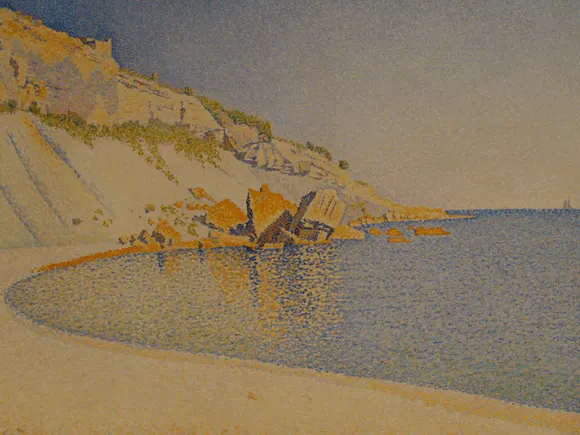
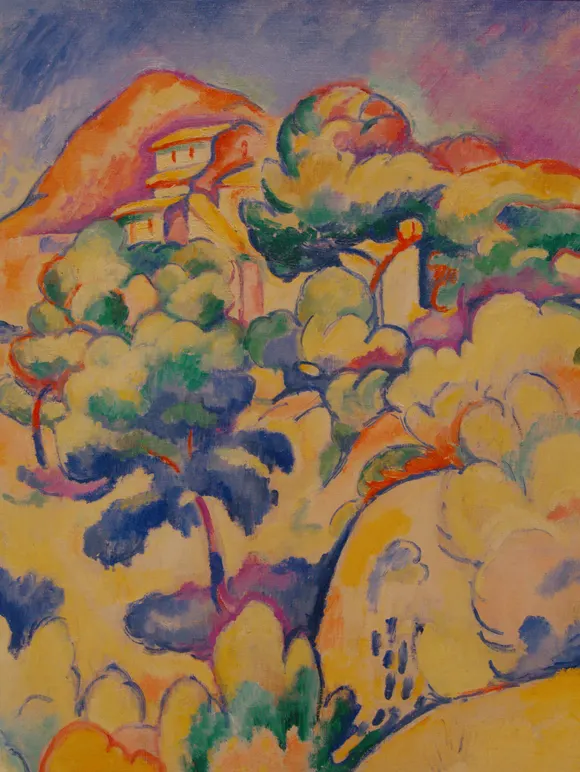
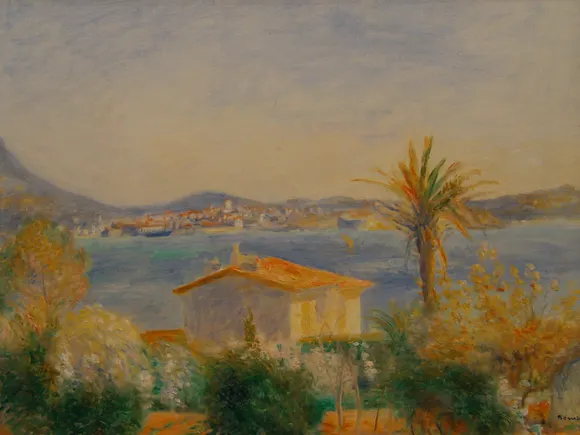
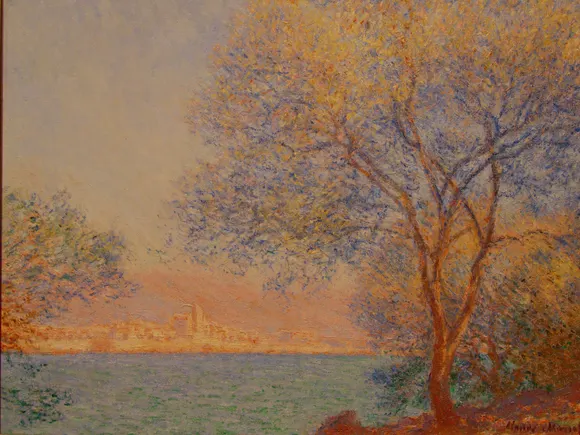
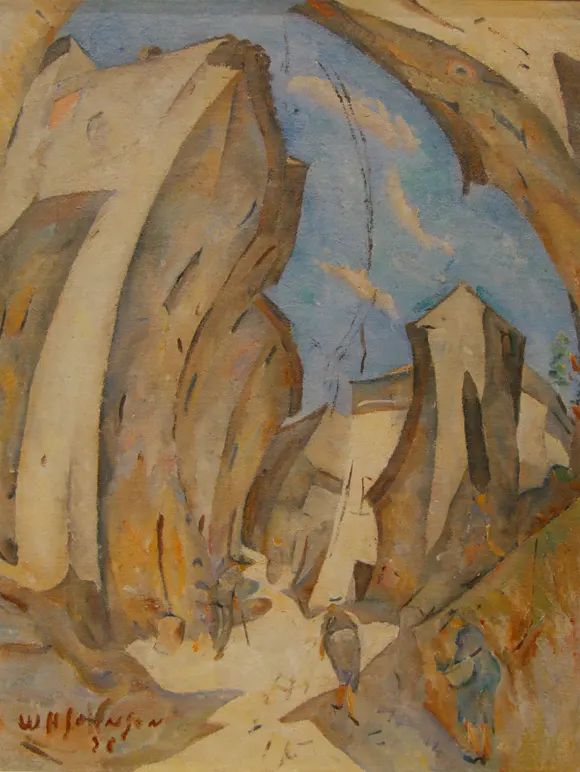
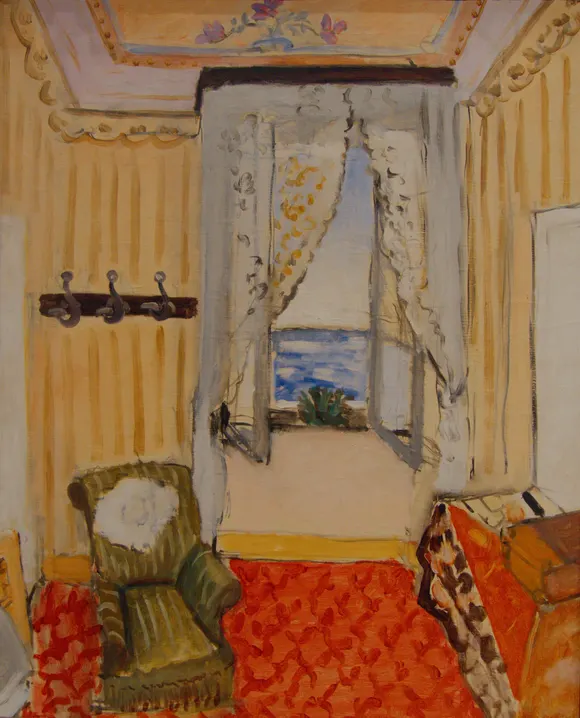
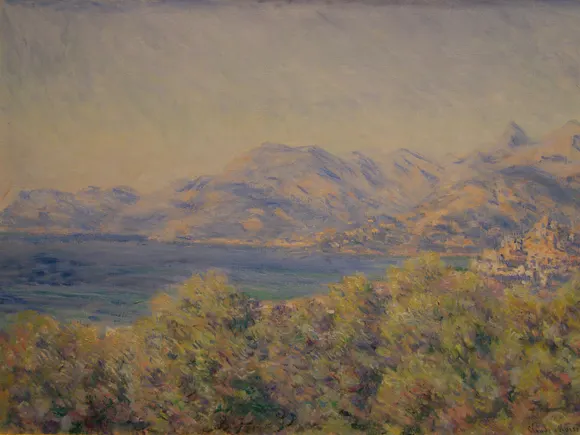
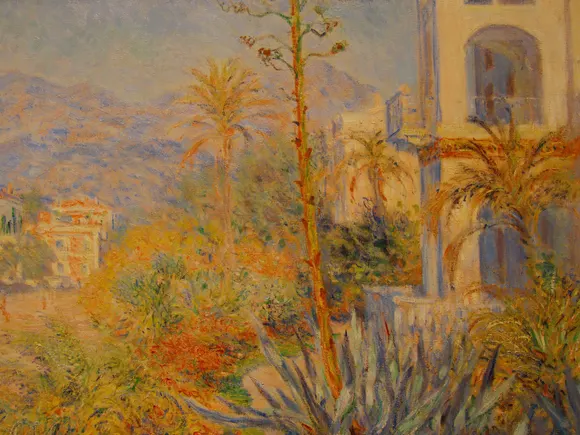
Bordighera
It is so beautiful here, so bright, so luminous. One swims in blue air.
— Claude Monet
The light of the South was both a revelation and a curse. In Bordighera, Monet’s eyes knew no peace. The sea was right in front of him, framed by palms and citrus trees. Like a child in a candy shop, he tried scooping up every single colour. His only fear was to come back empty-handed. He worked outside from dawn to dusk, with no regard for his appearance and accidentally set fire to his jacket. His mind was elsewhere: How do you capture this bacchanalia of colour?
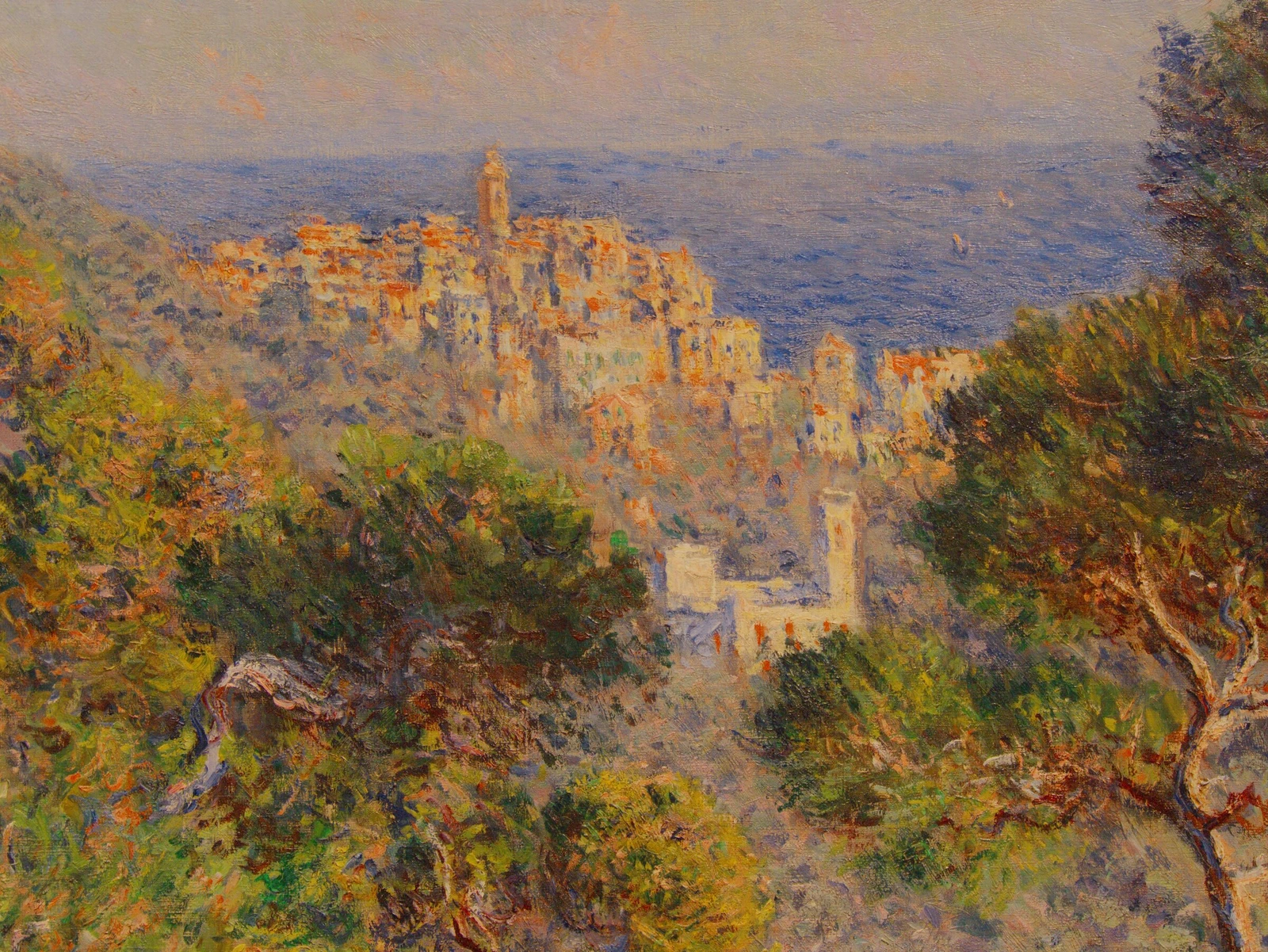
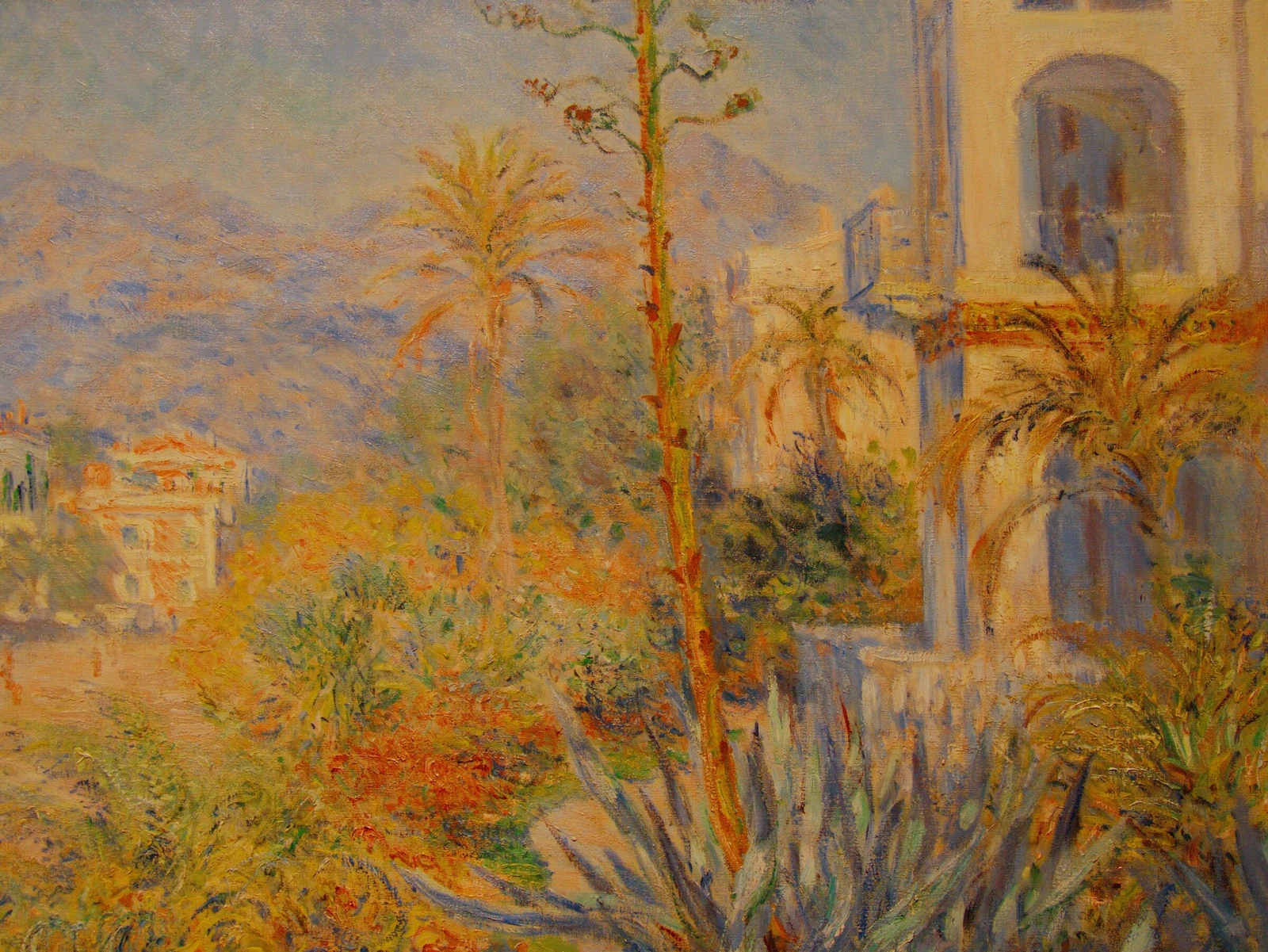
View of Bordighera, 1884
Among interwoven pale colours – yellow-orange, lavender – the palms star, yet these palms will be my damnation. The motifs are extremely difficult to seize... it is all so dense. As for the blue of the sea and the sky it’s impossible.
— Claude Monet
Ventimiglia
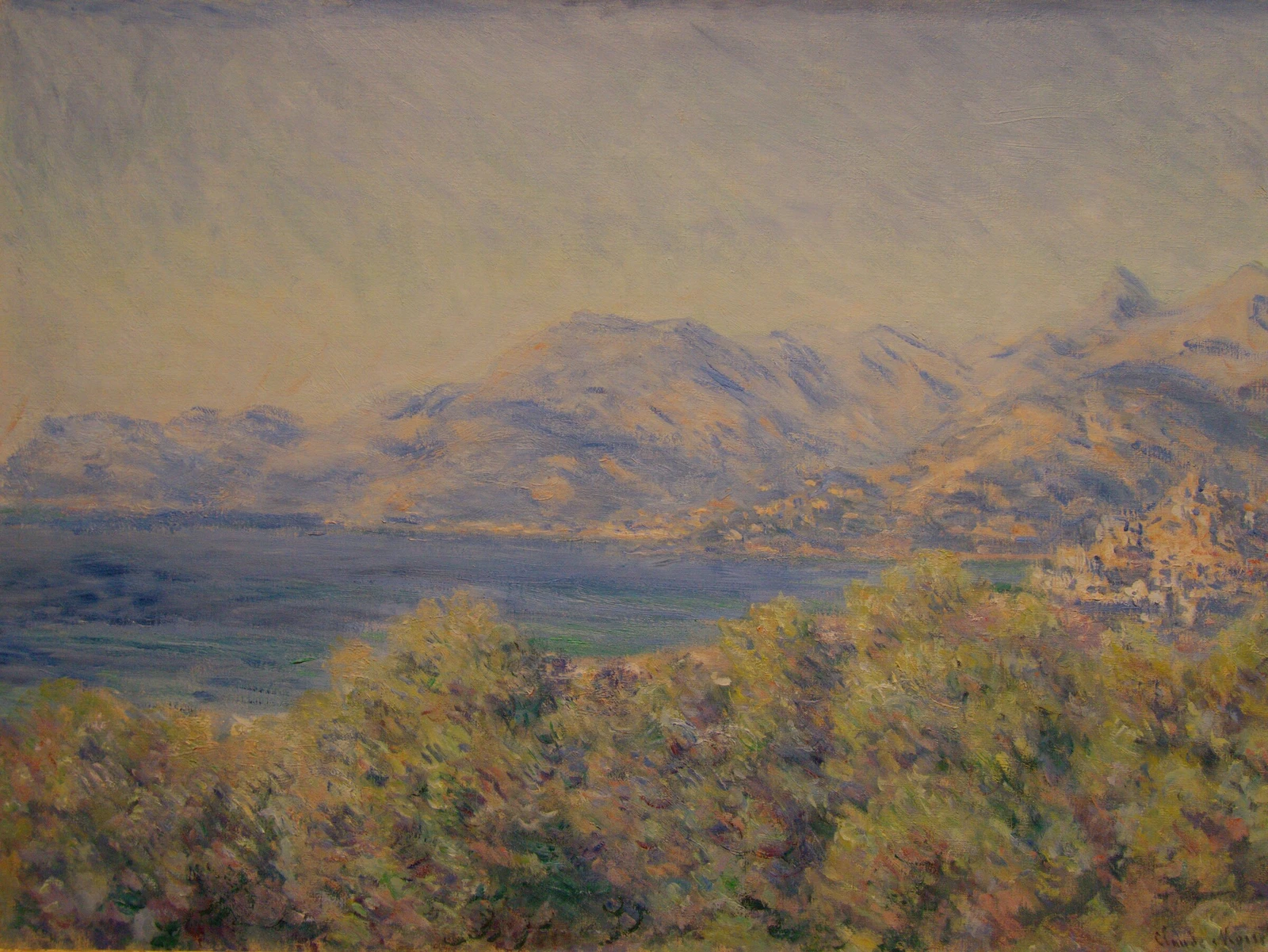
View of Ventimiglia, 1884
In Giverny, typhoid arrived. “Here we have fallen again into rain and mud, it’s deadly!” Alice wrote, locked up in the house with the children. Monet’s three weeks became three months. She, of course, wasn’t happy. Bored to tears and still having to borrow money, she wrote of separation. Monet’s letters mentioning daily encounters only elicited jealousy. Alice expected him for her fortieth birthday on February 19th. Hoschedé came instead.
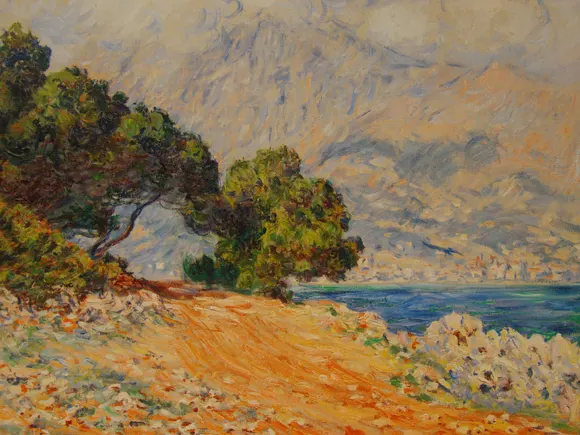
Cap Martin
In the frenzy of work and disquiet, nightmares seized Monet. The colours are all wrong, nobody understands them. Durand-Ruel doesn’t want the bloody canvases. Ten francs lost on the roulette at Monte Carlo. On the way back, he let Alice know he would miss Easter as well. Be what it may, he must paint at Cap Martin.
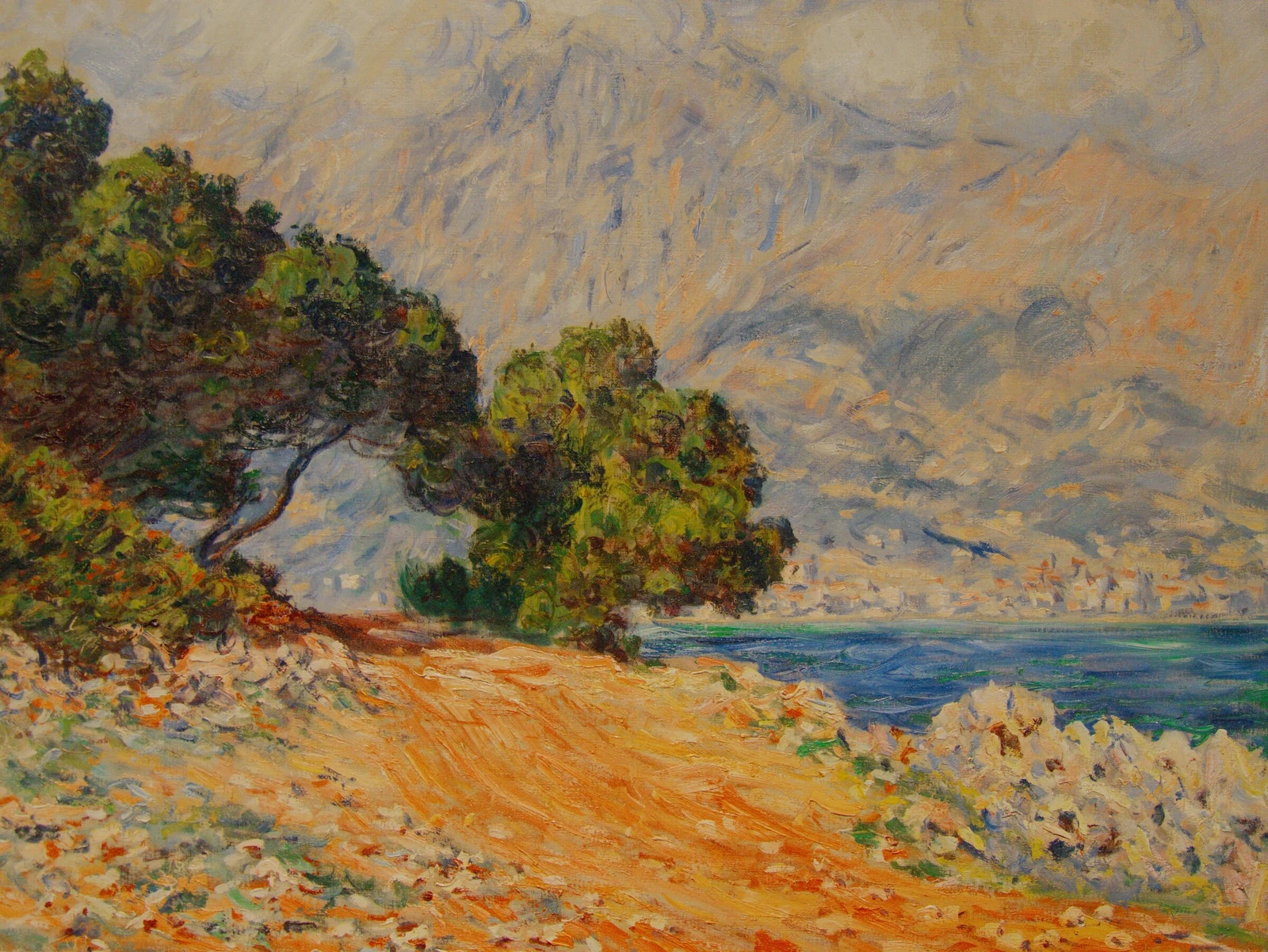
Cap Martin, near Menton, 1884
People will scream at the lack of resemblance to nature, at the madness, but too bad. I had to come here to catch the striking aspect. Everything I do is a flaming punch.
— Claude Monet
Monet’s specialty had been seascapes for years. He had to surprise his audience with every painting. His extended stay in the South was a gamble, both professionally and with Alice. To her, the message was, very loud and clear, that “painting, this damned painting, is my life, and consequently it is your life too”. 1884 would be a record year, both for his accounts and reputation. La France: “Monet is the poet of passing sensation, evoking nature in her ever-changing aspect... a surprise every hour, every minute.”
Antibes
Four years later, things were better, sort of. Giverny didn’t feel like home yet. Hoschedé was still a looming presence, the art market was capricious and keeping Alice and the children happy wasn’t easy. In January 1888, Giverny froze. The kids went skating on the lake. Monet arrived back south in Antibes.
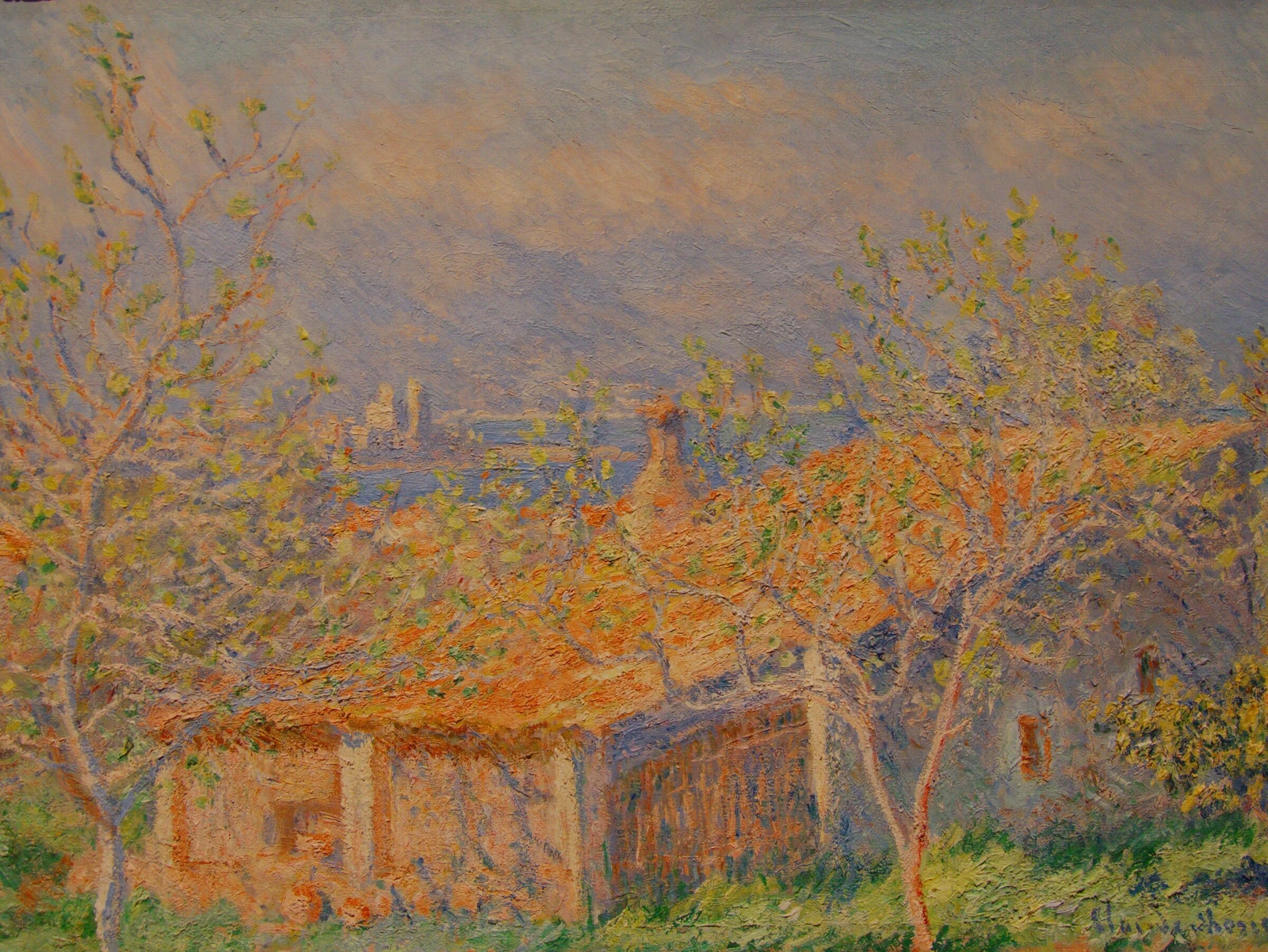
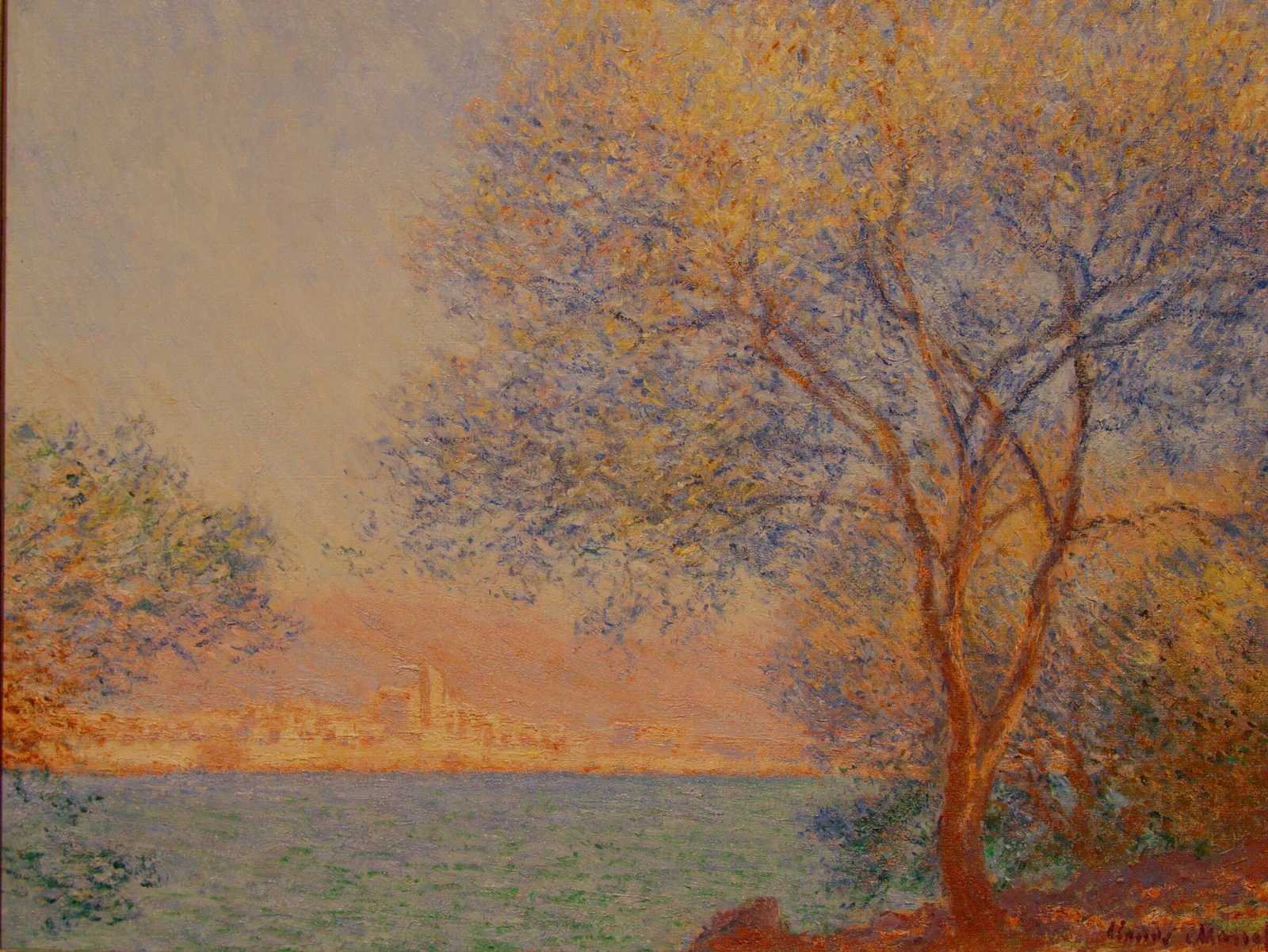
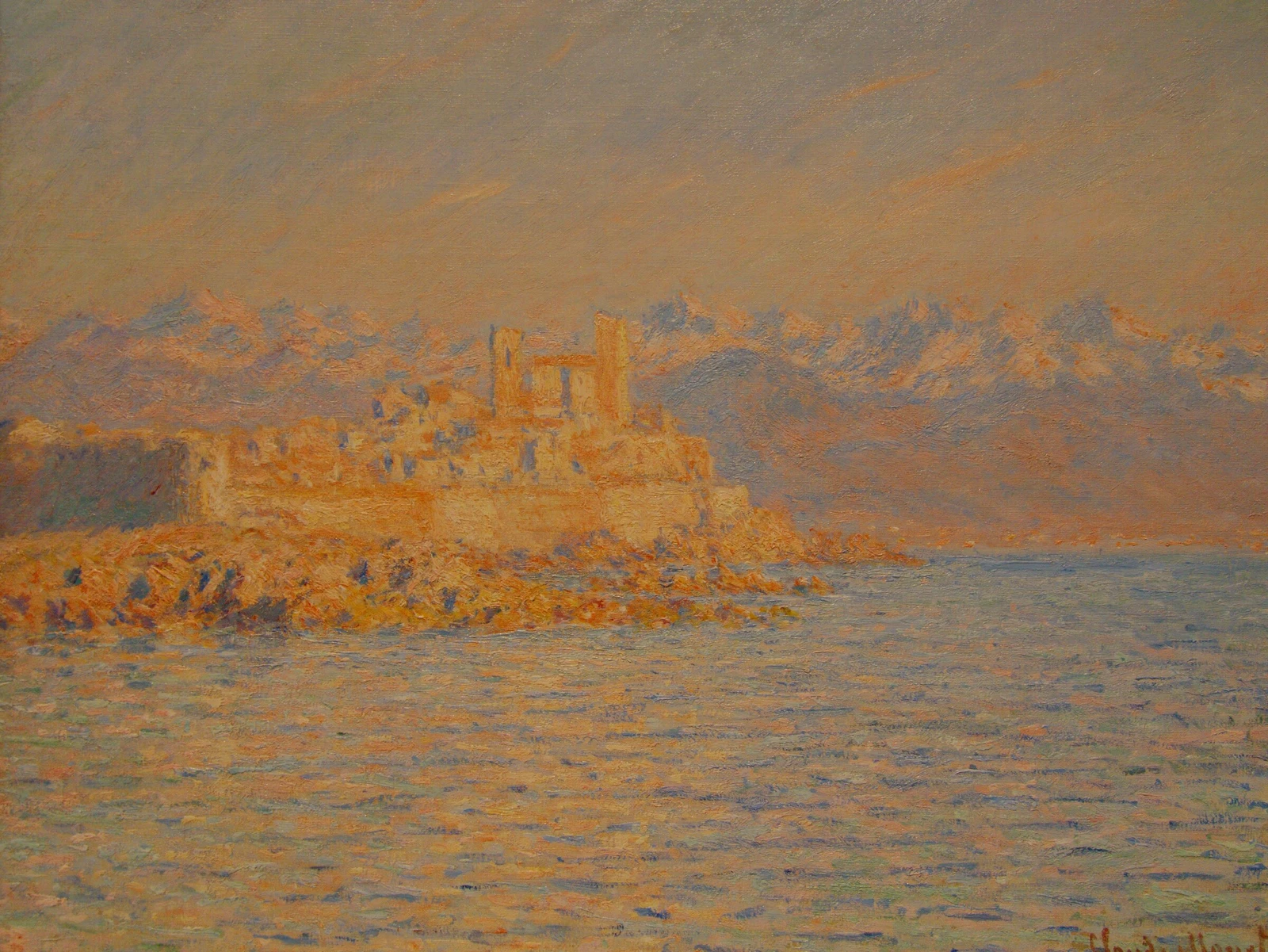
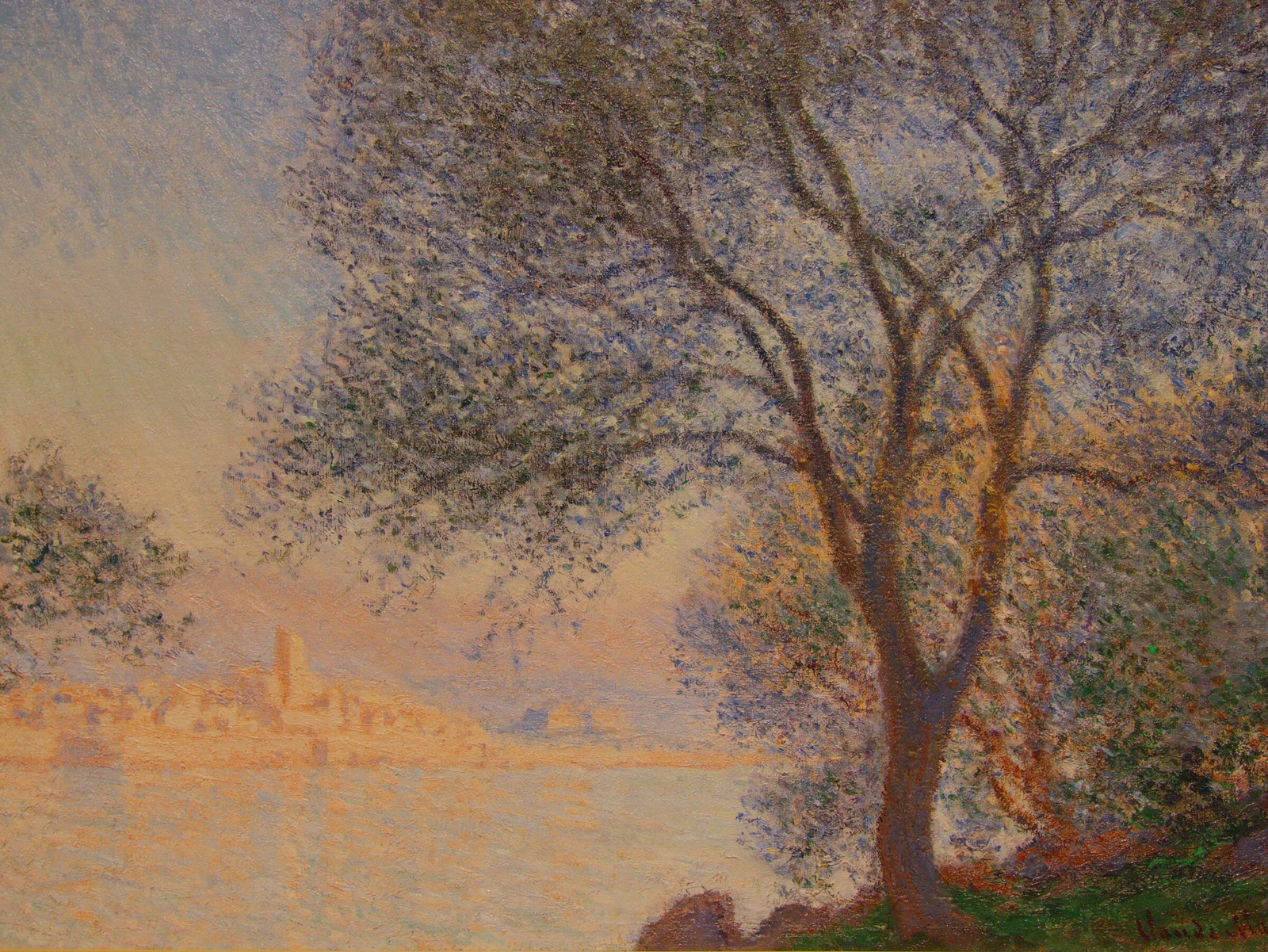
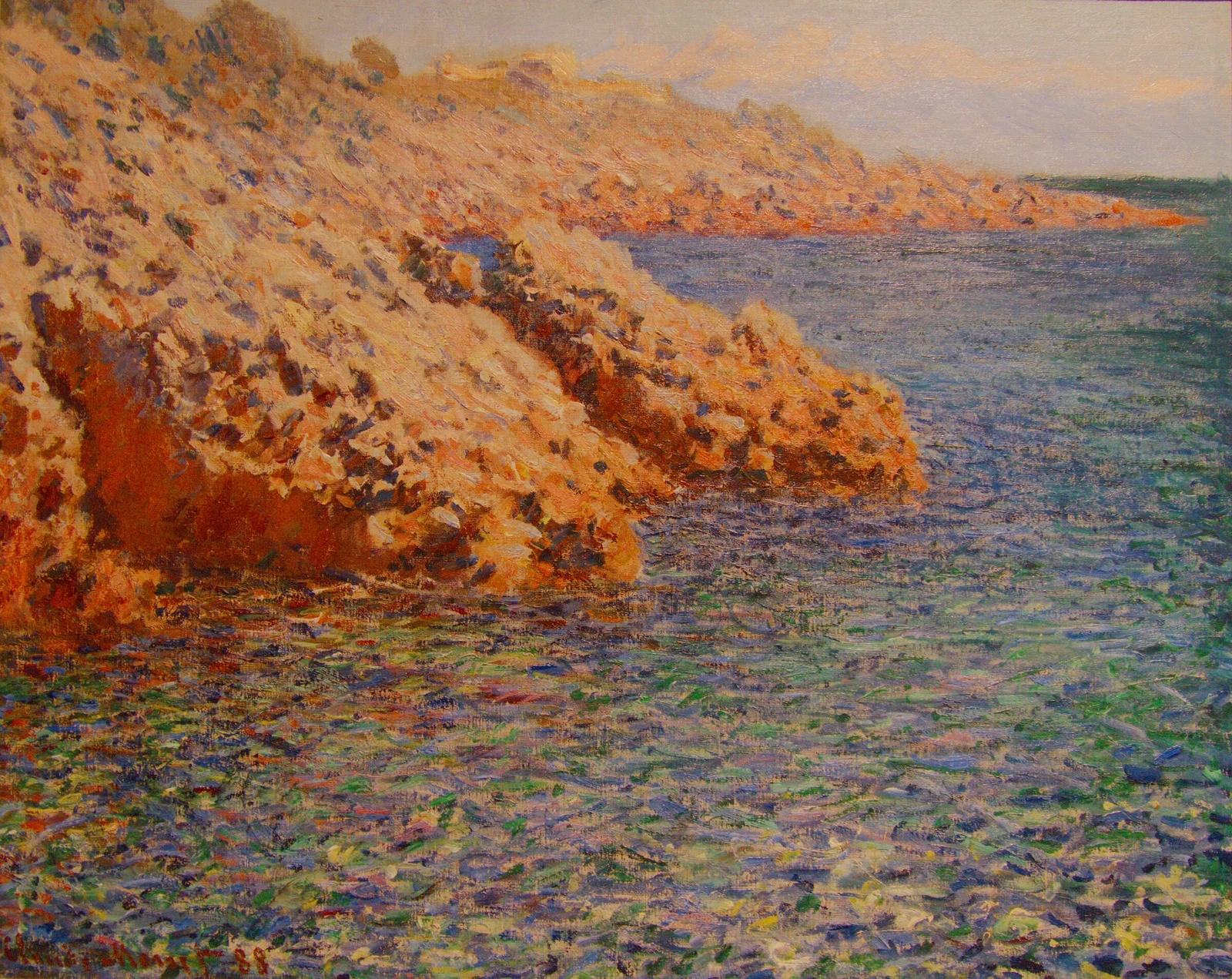
Gardener’s House at Antibes, 1888
“Colours are the deeds and sufferings of light,” wrote Goethe in his Theory of Colours. Monet learnt that himself in the Midi, worrying about Hoschedé, soothing Alice and thinking about Camille. Light was his sparring partner, challenging him to break new ground. He returned to the same spot over and over, trying to capture photons in their manic game of pinball. On canvas, he set the trees on fire and turned the sea into precious stones.
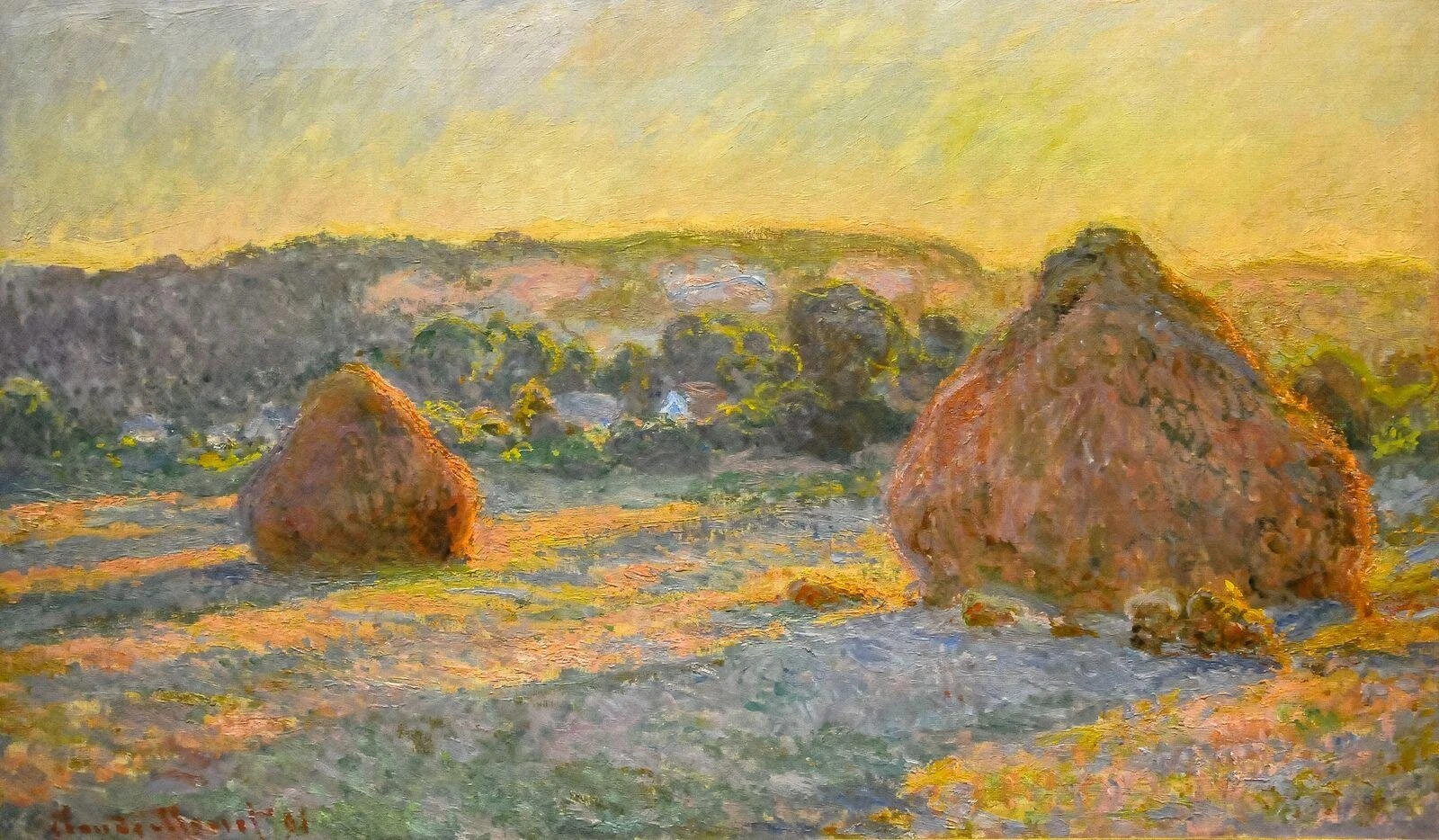
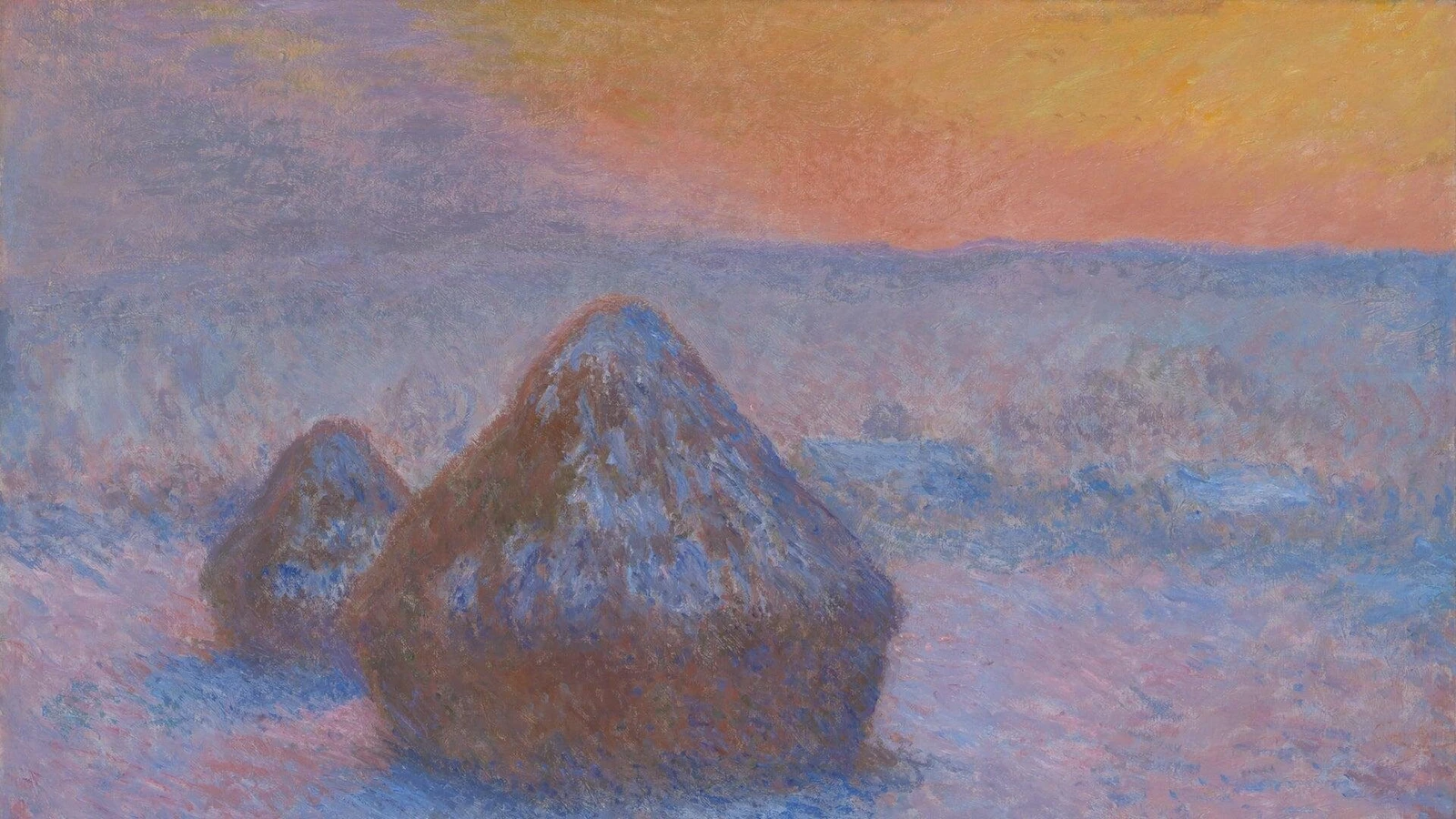
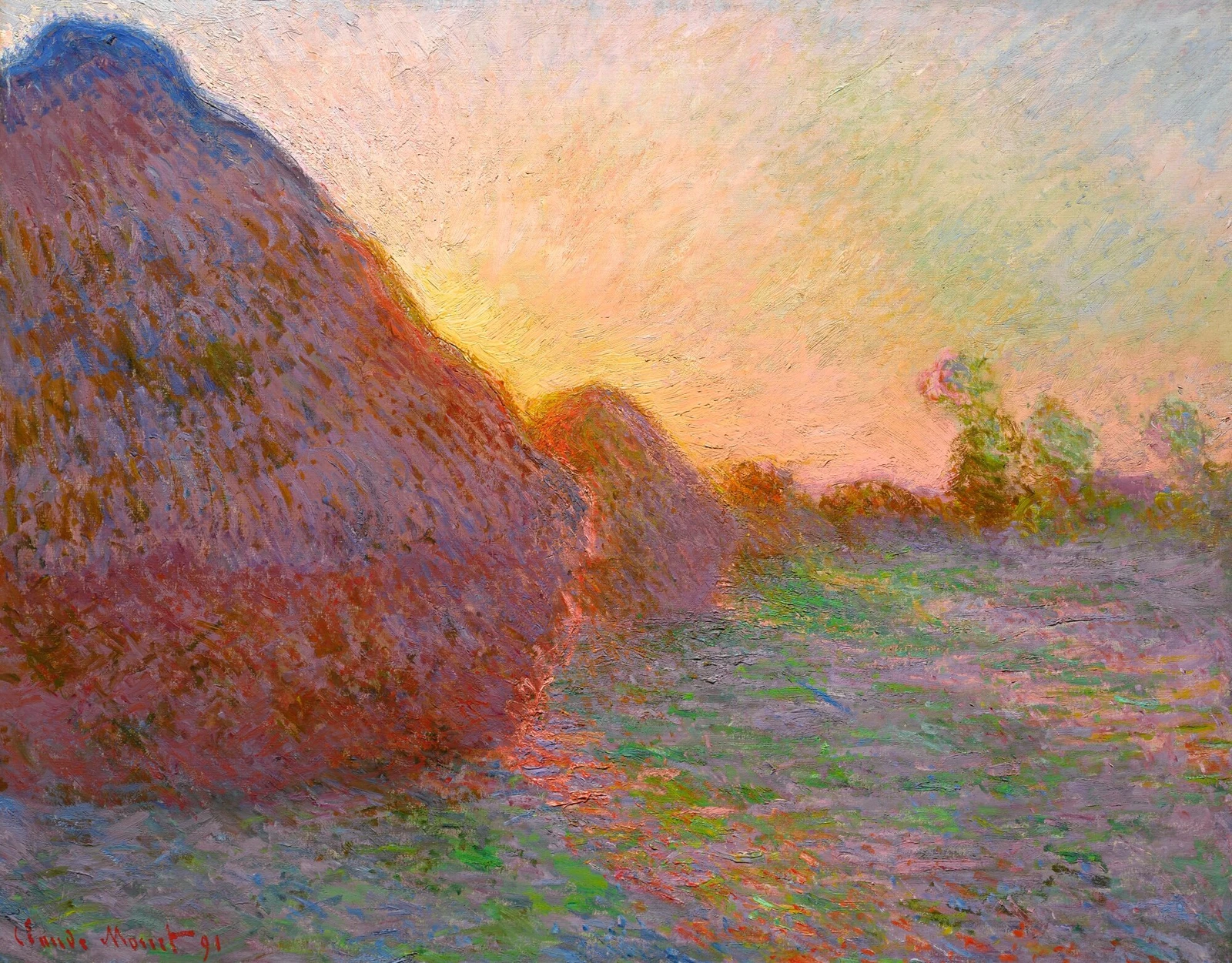
Stacks of Wheat (End of Summer), 1890–91
Monet carried his impressions back to Giverny. He lacked the rich vegetation and the sea’s lustre, but there were haystacks. Plenty of them. Even the morning one, he found, looks different to the one in the afternoon. Their banality made them the ideal background for the actual subject of his Haystacks series: the sundry rays of light.
Monet was not the only one grappling with Impressionism. In 1886, a young Georges Seurat exhibited a strange piece at the eighth Impressionist exhibition in Paris: a painting composed entirely out of dots. A Sunday Afternoon on the Island of La Grande Jatte proclaimed the start of Neo-Impressionism, a movement with many names. The manifesto was simple: let colours mix on the retina, not on the canvas. That’s Divisionism. The systematic placement of dots, Pointillism.
If Seurat started the effort, it was the energetic self-taught Paul Signac who popularised it. The two had founded the Société des Artistes Indépendants in 1884, allowing any artist to exhibit. No jury, no prize, open to all. It was an alternative to the academic Salon, which had rejected their work and vision of a precise and scientific method that guides and protects sensation.
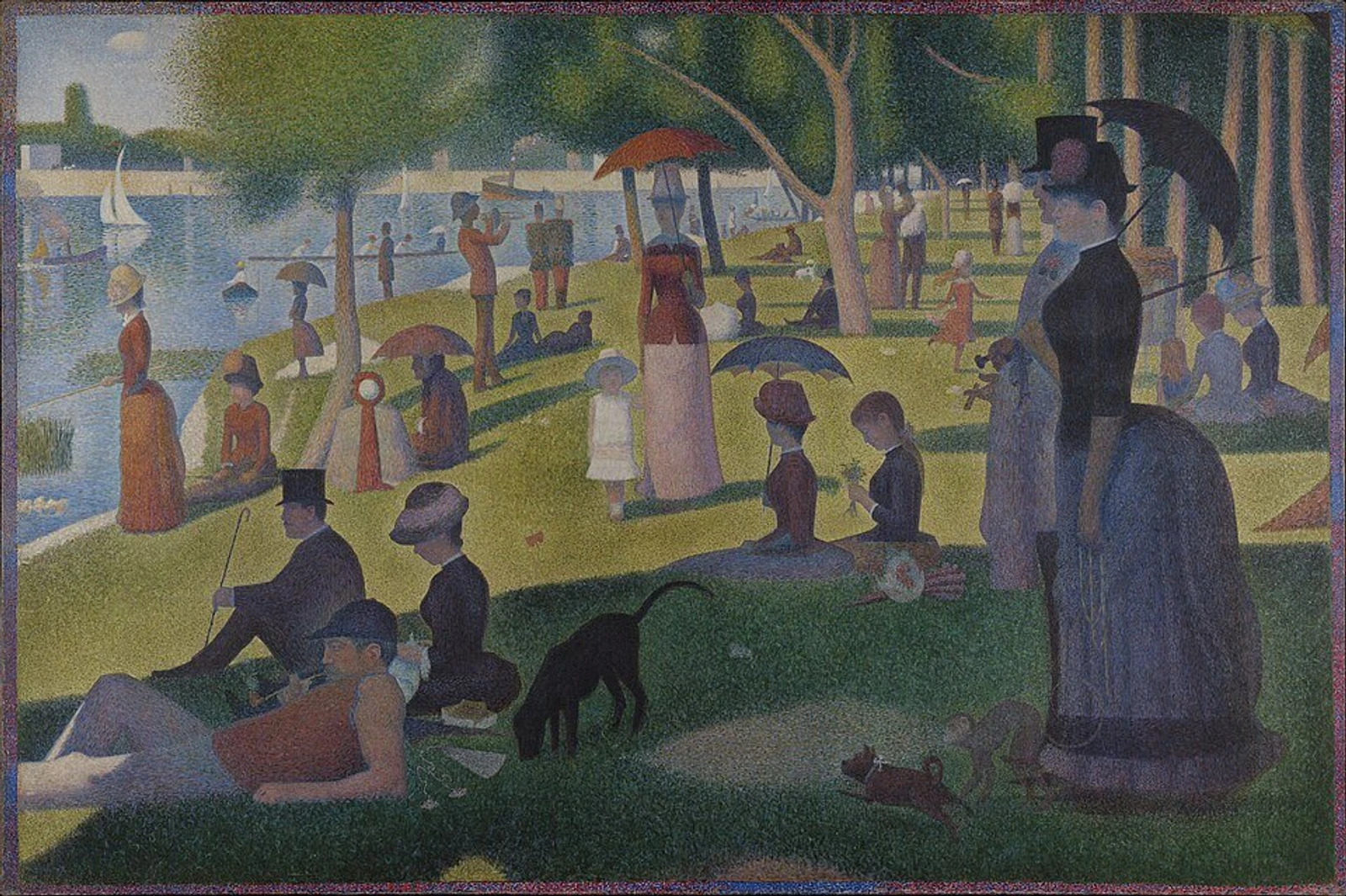
Georges Seurat, A Sunday Afternoon on the Island of La Grande Jatte, 1886
Their collaboration would not last for long. In March 1891, Seurat died from diphtheria at age 31. Signac turned his grief into energetic advocacy for Seurat’s work and legacy. He organised posthumous exhibitions, settled his friend’s delicate estate and wrote a book detailing the development of Neo-Impressionism. A year later, Signac was exhausted. He packed his bags and set sail on his yacht, Olympia, to the South. After a month, he reached a small fishing village south of Cannes.
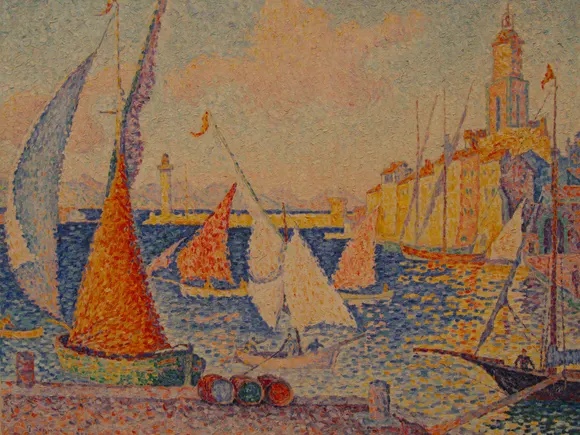
Saint-Tropez
I am settled here since yesterday and overjoyed. Five minutes out of town, in the midst of pine trees and roses, I discovered a pretty little furnished cottage... there is enough material to work on for the rest of my days. Happiness – that is what I have just discovered.
— Paul Signac
Crow’s Nest, as his house would be known, sits high above the town, overlooking the sea. From there, he saw beauty and rendered it as best as he could, dot by dot. At times, colours turned alien. Purple people and trees. The sand, pink.
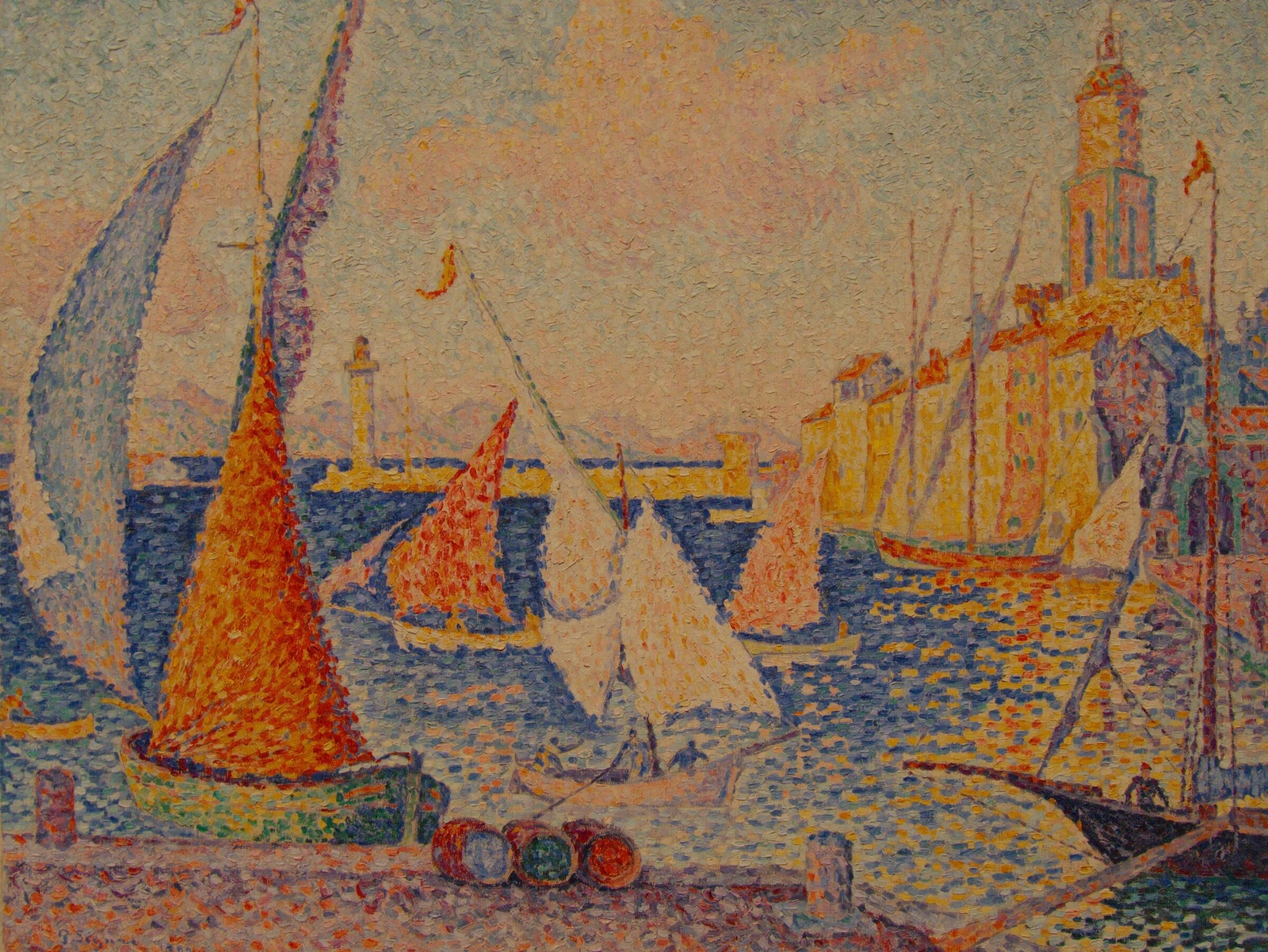
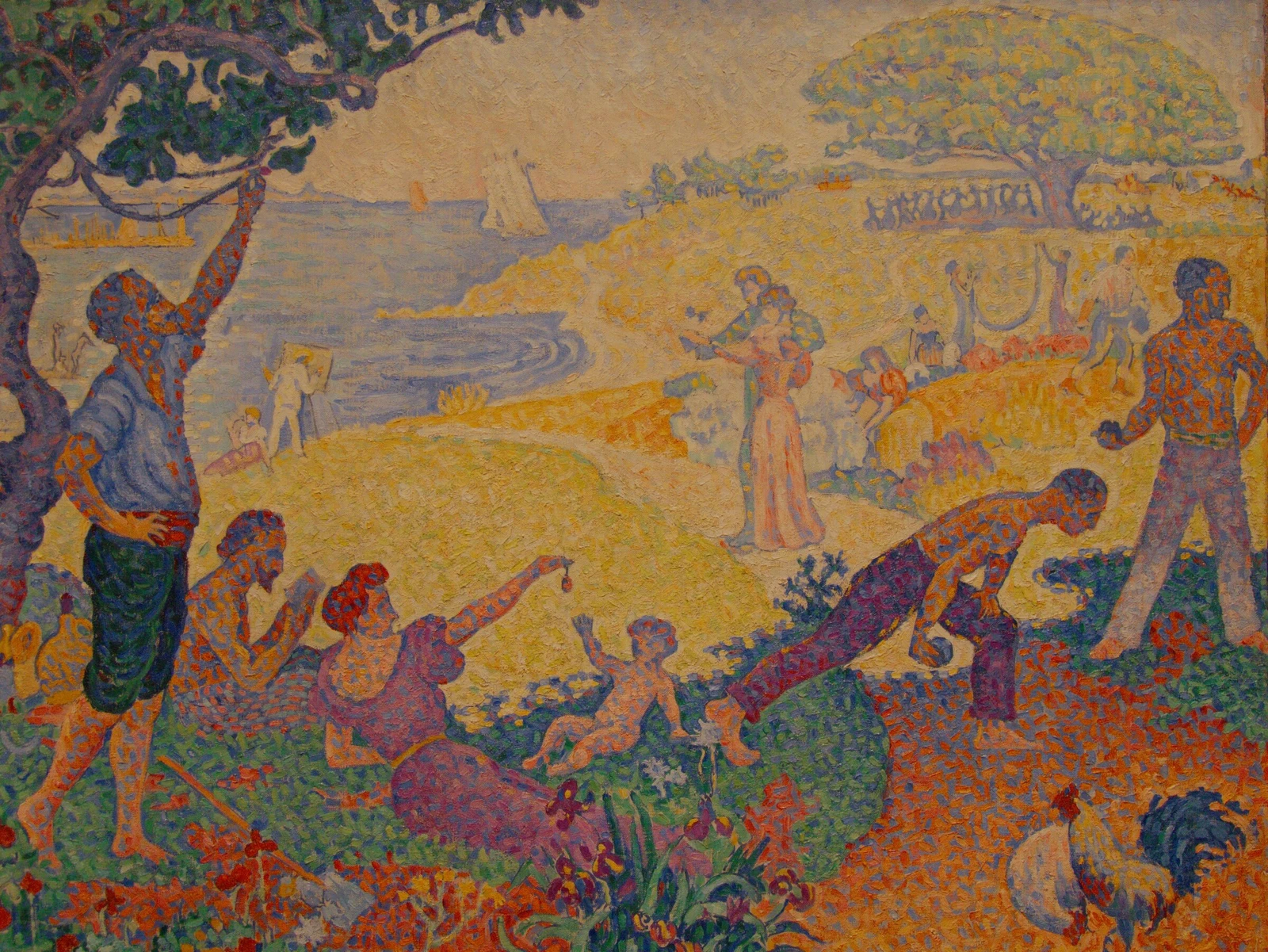
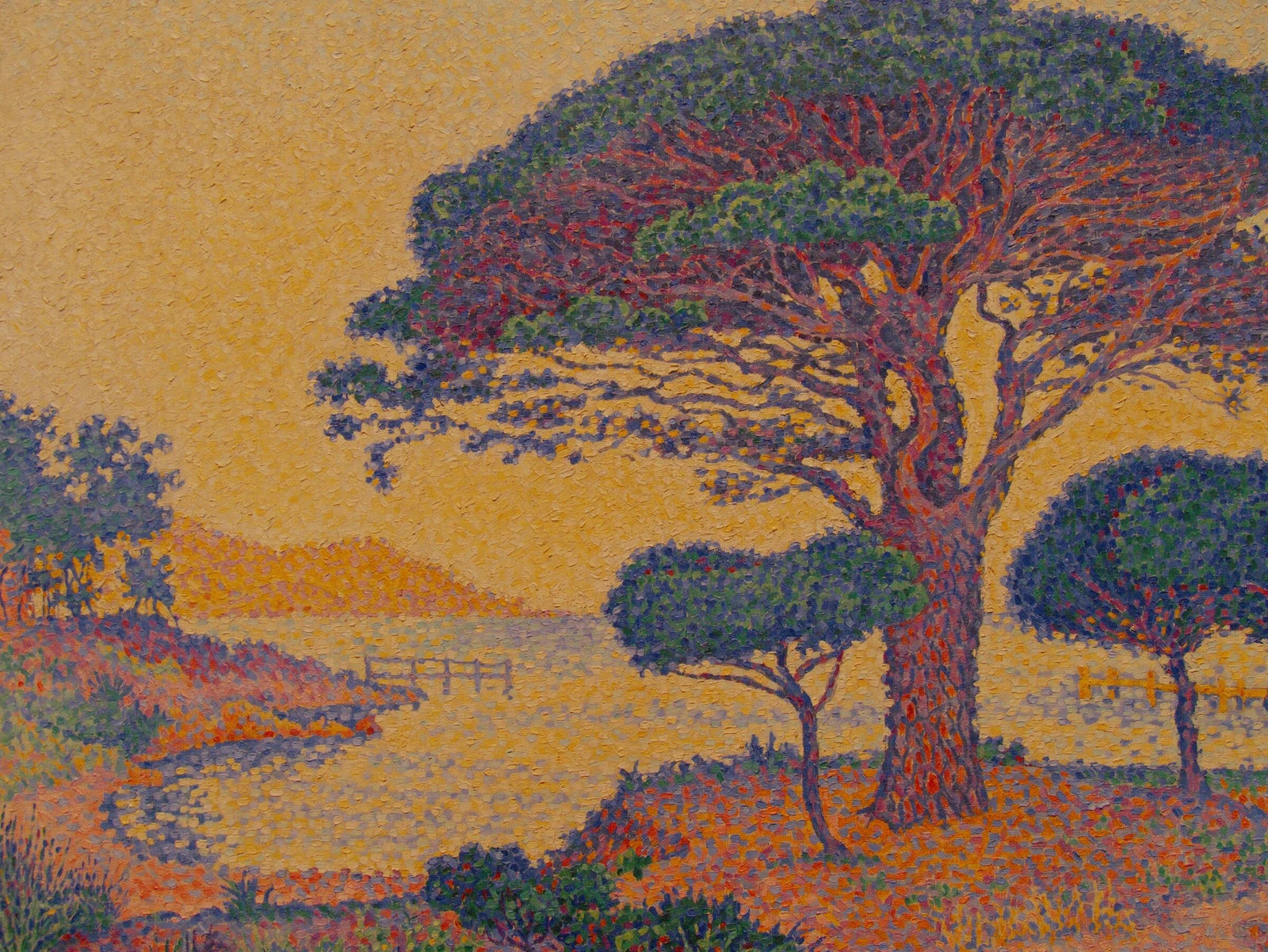
Paul Signac, Saint-Tropez, le quai, 1899
And he wasn’t alone.
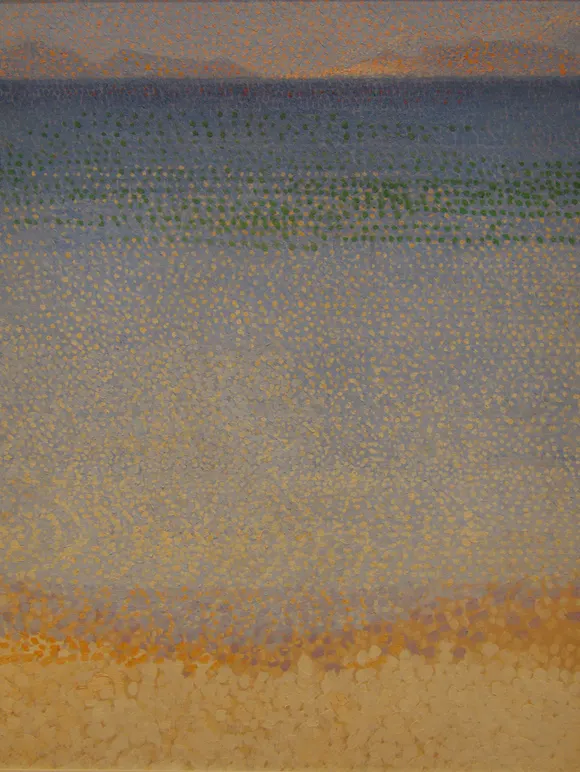
Le Lavandou
Hills of pine and cork oak slope gently down into the sea, offering along the way a sandy beach of a fineness unknown on the Channel coast… Corners of charming intimacy abound beside grand, enchanting, decorative vistas.
— Henri-Edmond Cross
Edmond Cross had moved there a year earlier for his chronic rheumatism. Cross had helped Signac start the Salon des Indépendants and had adopted Neo-Impressionist ideas himself.
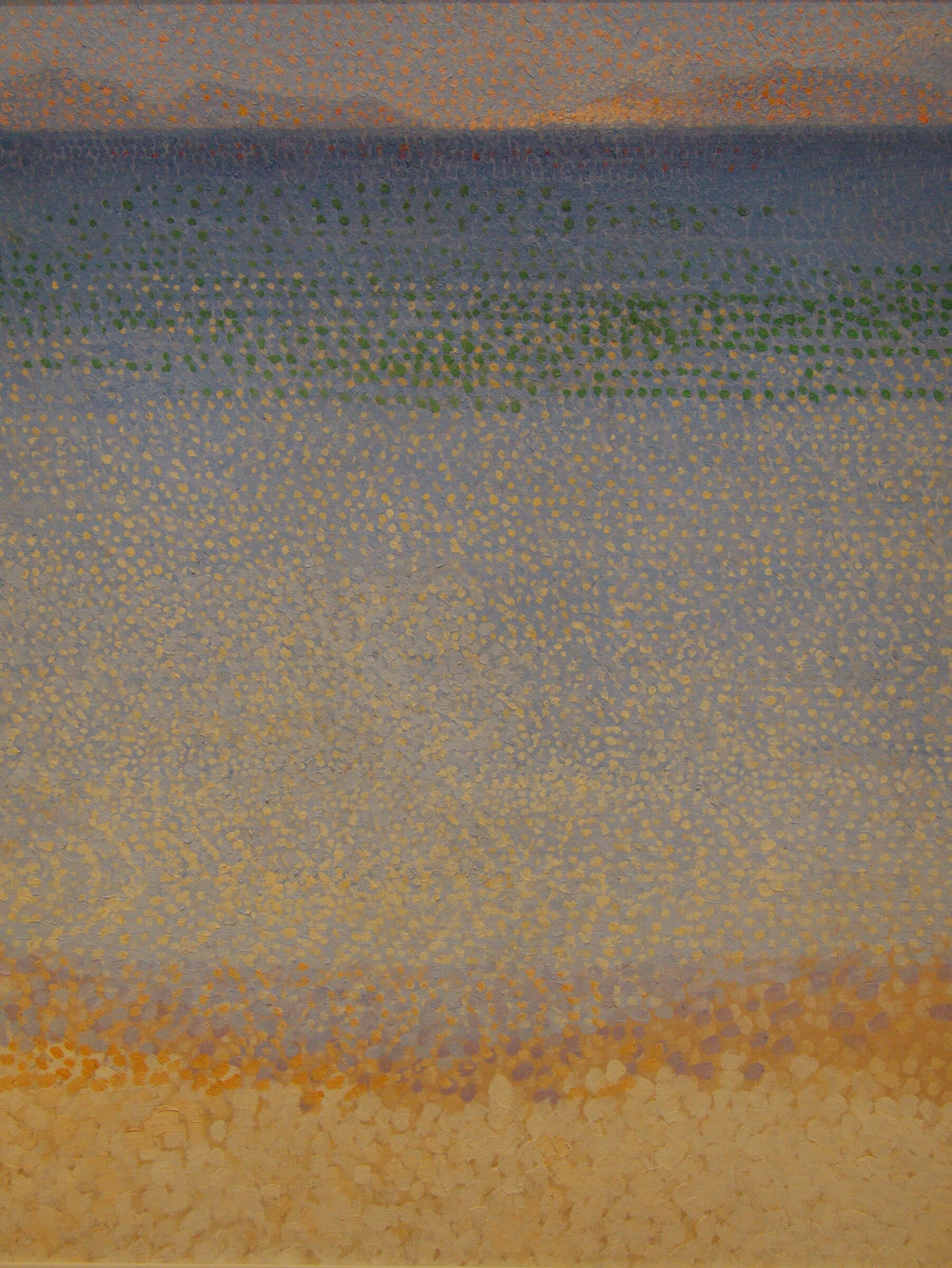
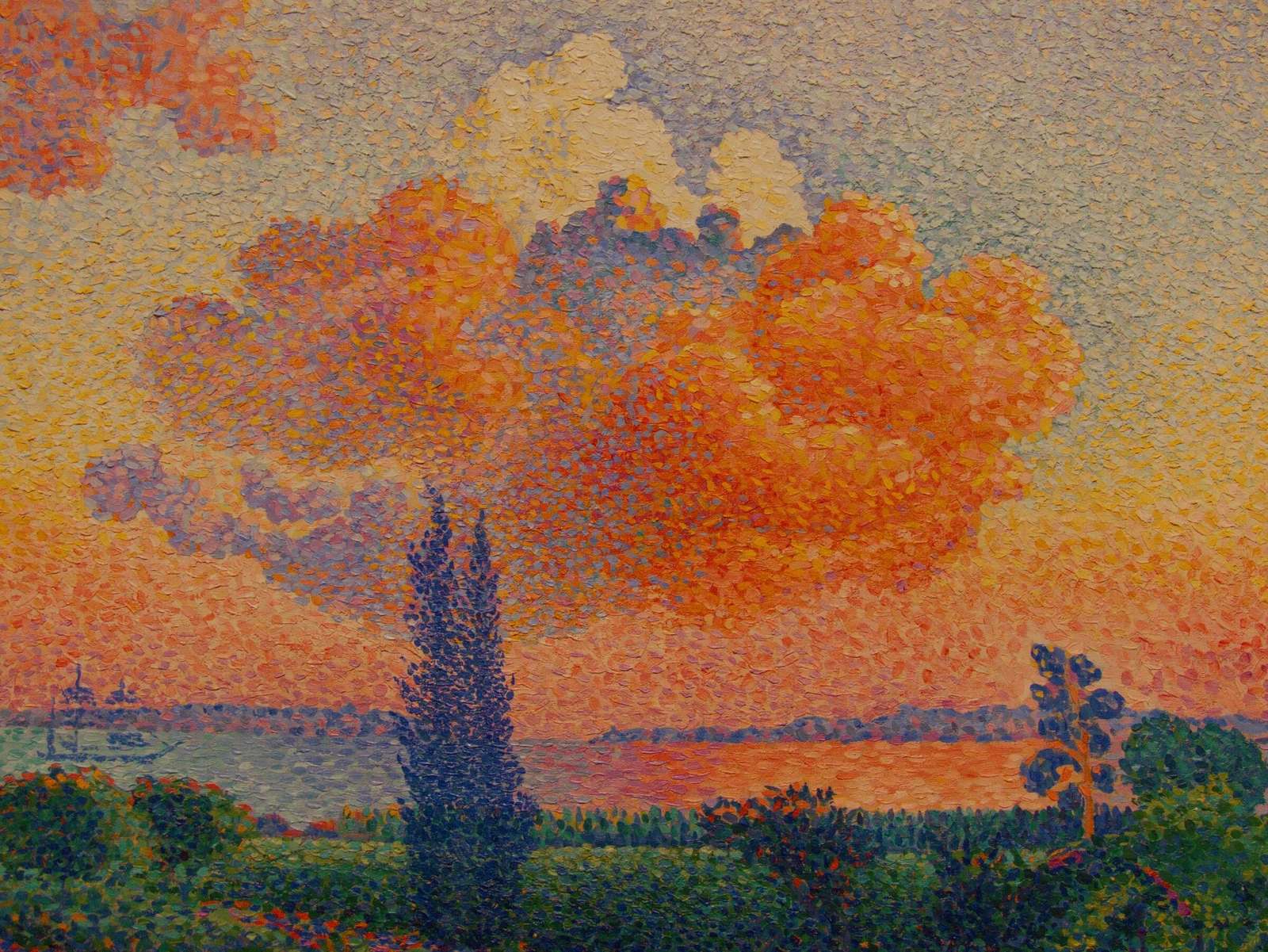
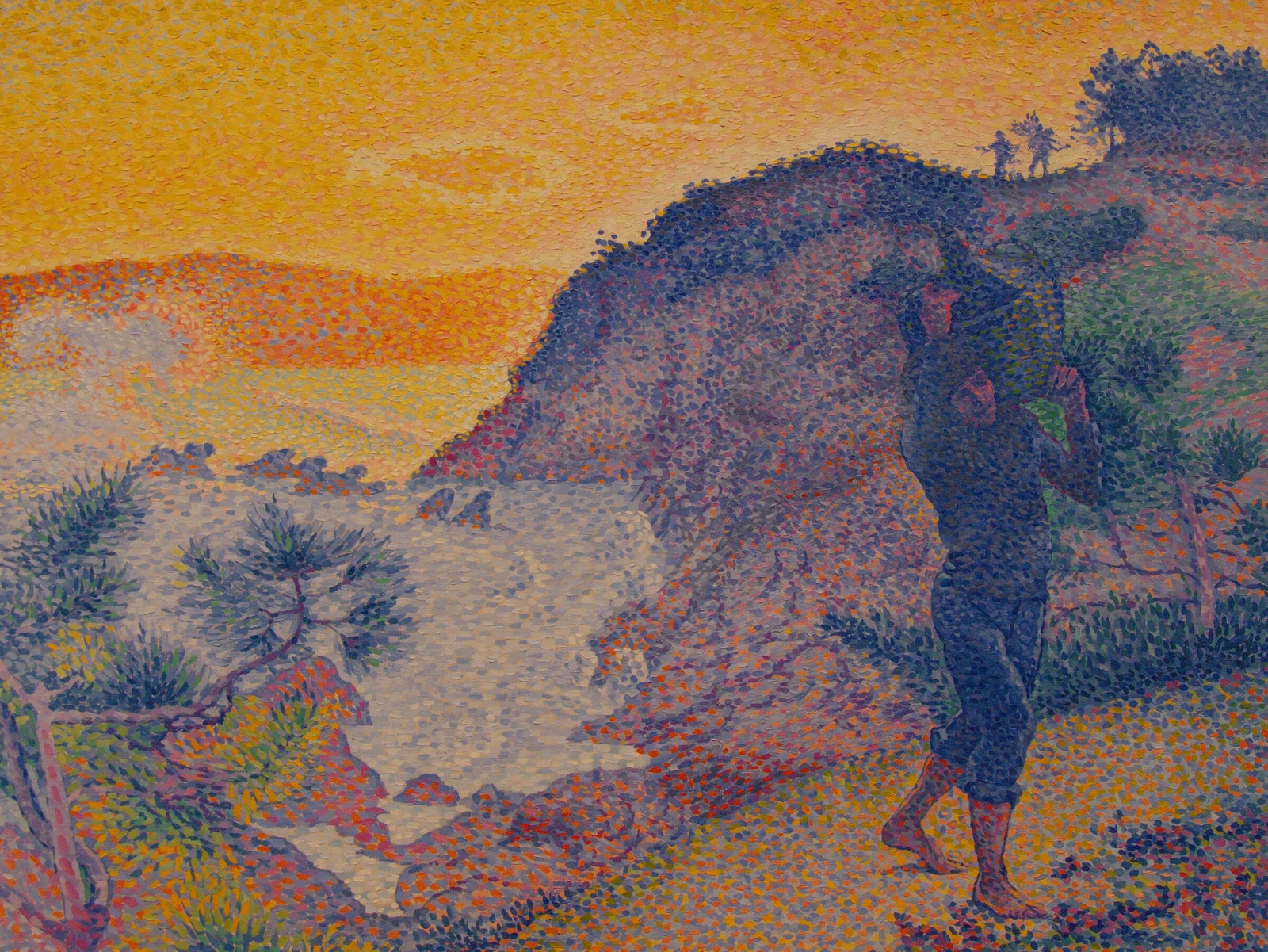
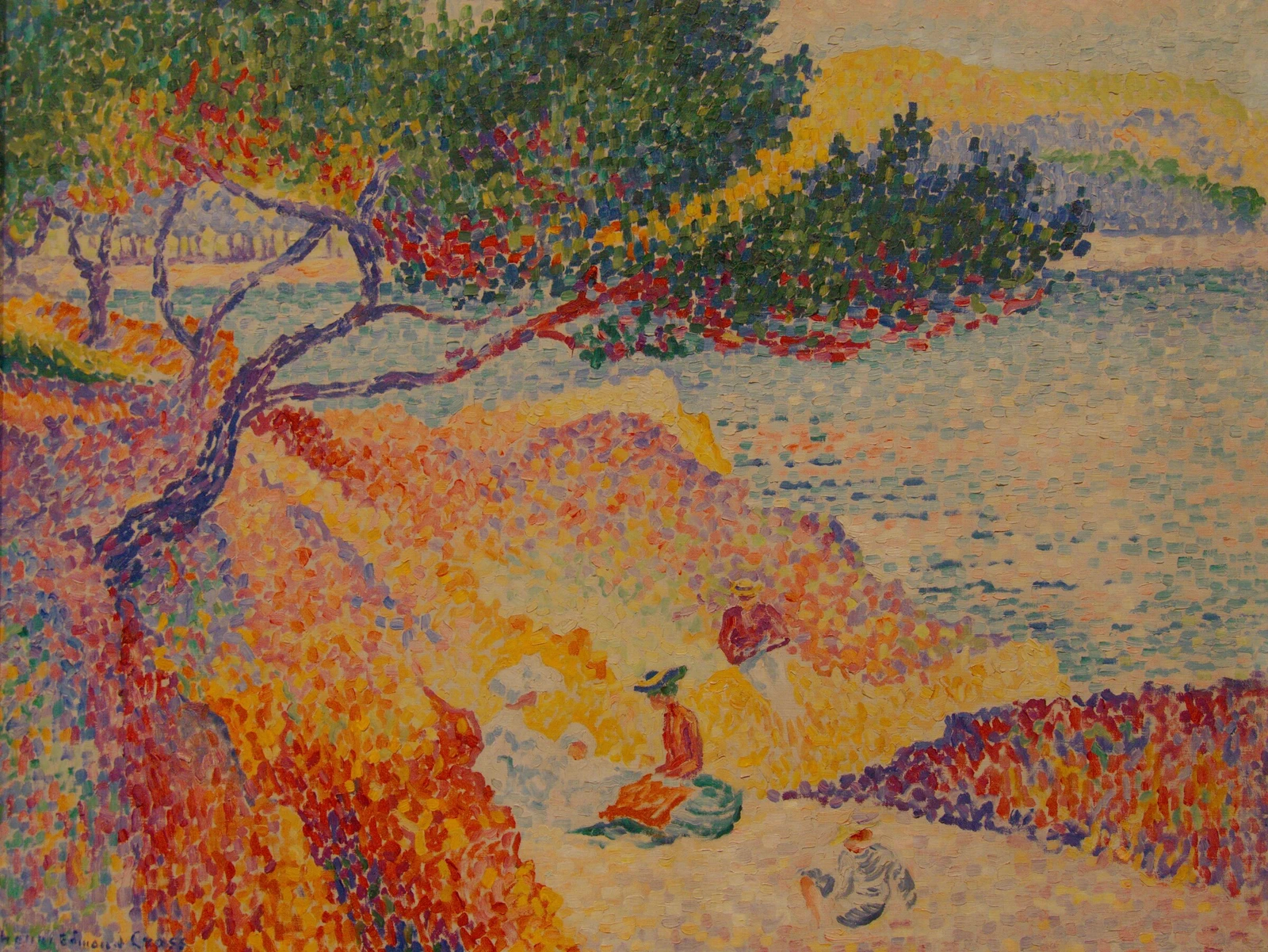
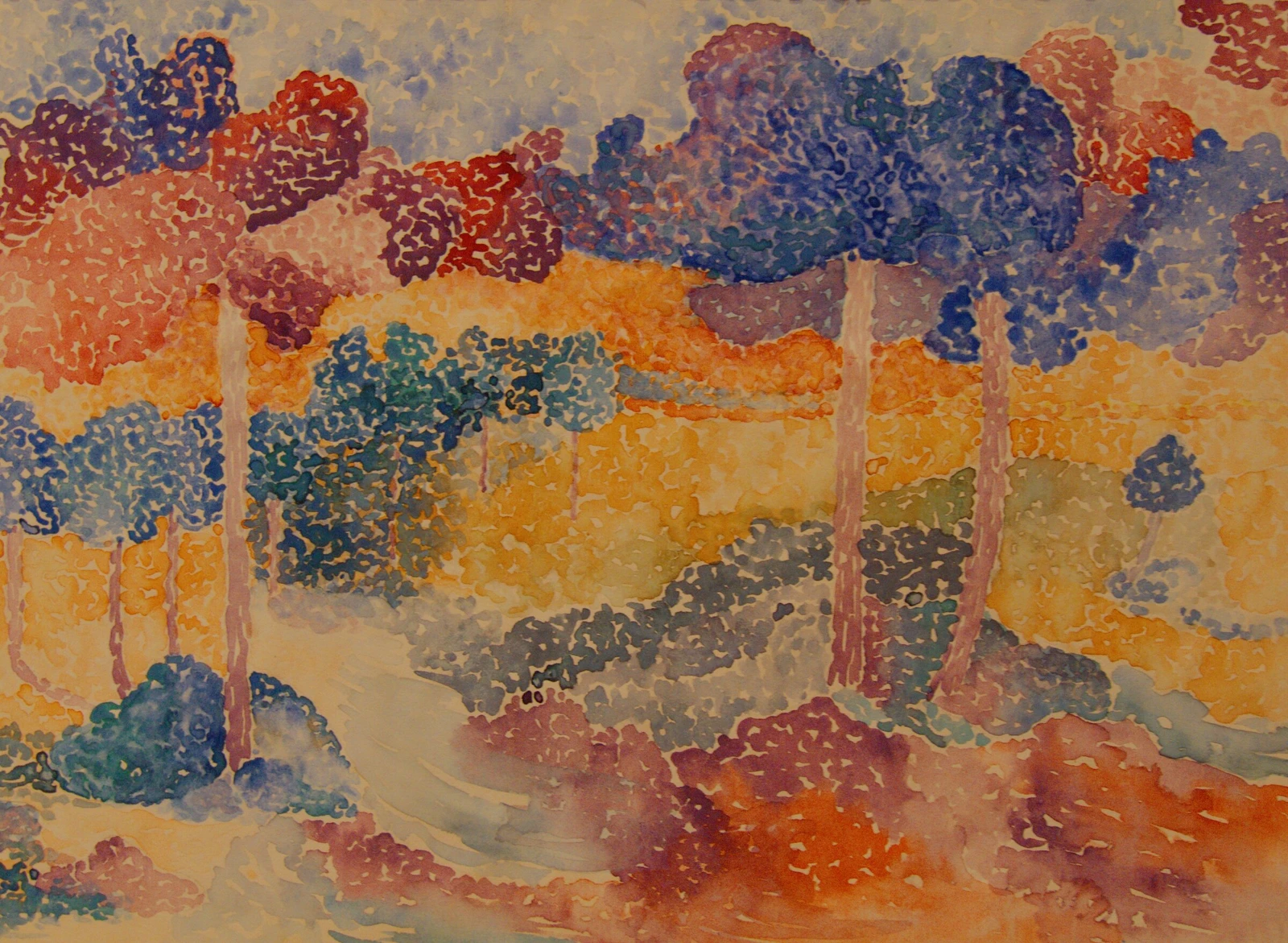
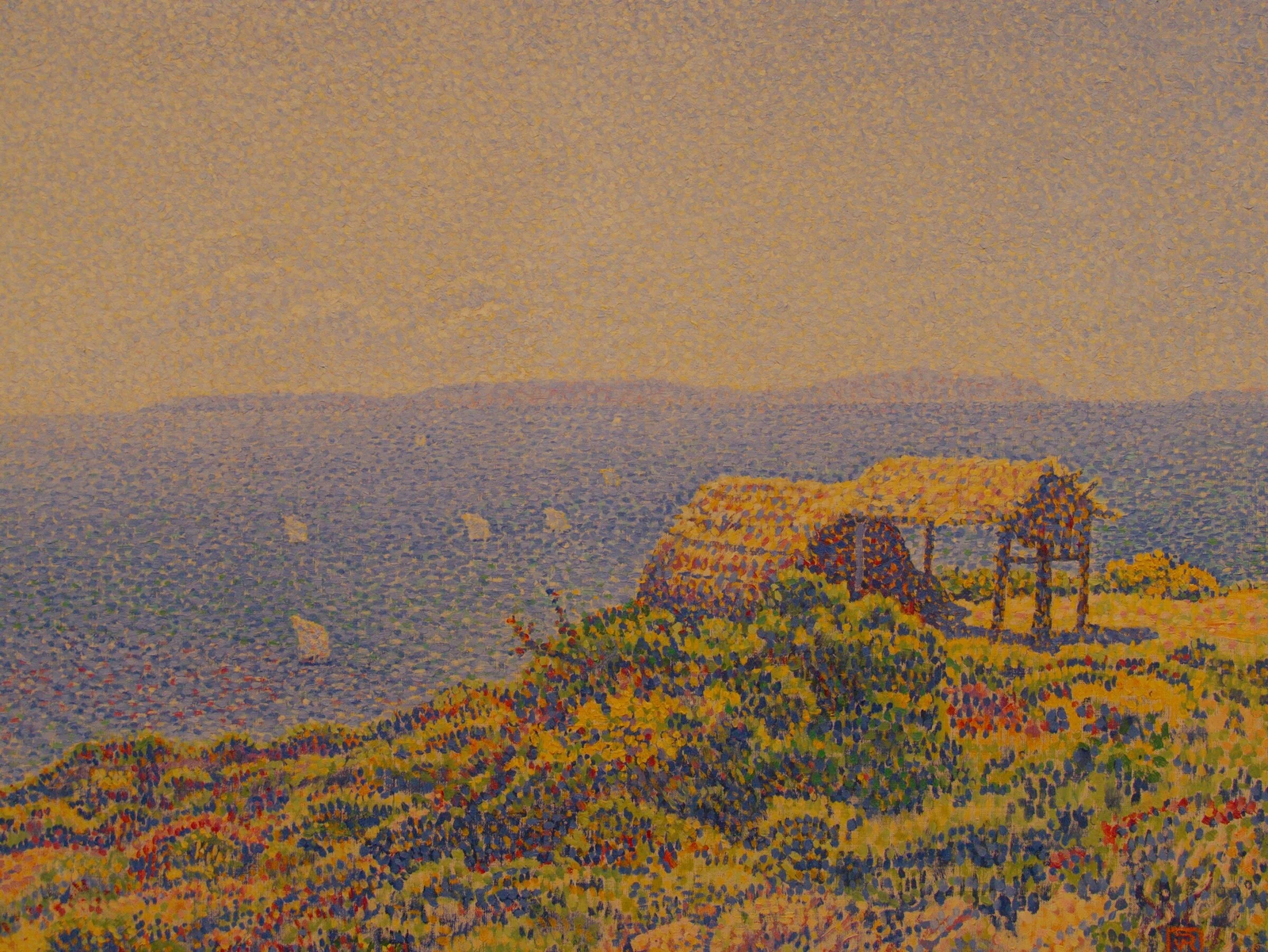
Henri-Edmond Cross, Les Îles d’or, c.1891–92
You can imagine the gaiety of the picture we enjoy beneath this pure sky – the tender pink of almond trees, the heightened yellow of mimosas marrying the cobalt of the sea and the emerald blue of the sky.
— Henri-Edmond Cross
Cross and Signac established themselves as artists of the South, capturing bays, sunsets and vistas, all in hues that nobody seemed to have noticed before. Colours became their weapons in the struggle against academic tradition. Soon, other revolutionaries would follow.
Looking at the grey horizon, petite Henri Matisse aspired to become a clown or a horseman – the only imaginable ways to escape Bohain. Built on sugar beet and textiles, the drab French town, close to Belgium, was taken out of a Bruegel painting.
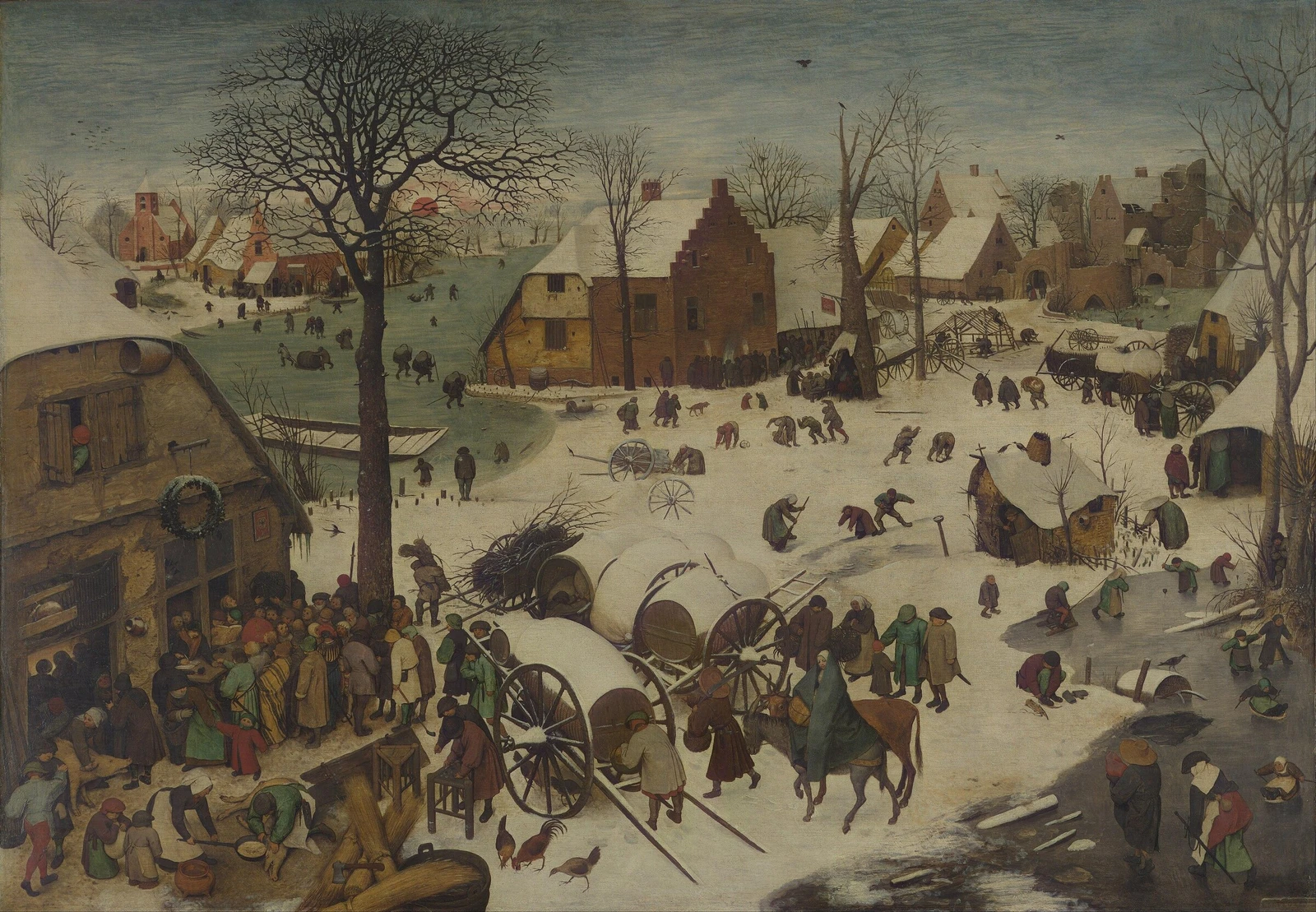
Pieter Bruegel the Elder, The Census at Bethlehem, 1566
“Where I come from, if there is a tree in the way, they root it out because it puts four beets in the shade,” Matisse later recalled. The streets of Bohain were slippery in the summer (beet pulp) and stinky in the winter (rotting beets). Childhood memories include the odd circus and medieval game. Mostly, pale faces, feverish eyes and scrawny bodies, the results of back-breaking toil. When out, the sun only hardened the morning cold. The few bright colours he saw were painted in gouache on porcelain by his mother. They hinted at a world beyond Beet Town.
Most of the time, Matisse heard his father shouting. Be quick. Come help. Don’t drop it (the beet). Henri was dreamy, frail and bed-ridden for weeks at a time. Unfit to take on the family business. What to do with this son?
There was some hope. He qualified as a lawyer’s copying clerk. All he had to do was to request for the case to be postponed. The simple words didn’t come out. His employer let him go when it was easier to fetch papers himself than ask the young Matisse. What to do with this son?
Henri’s answer was both simple and seditious: go to Paris to study art. Art? Father grumbled. Matisse had discovered drawing in school and took evening classes. One hundred francs a month? Such aspiration was seen as a trifle in Beet Town, where hard manual labour made a man. Let him go, Mother said. In 1891, Matisse set off to the French capital.
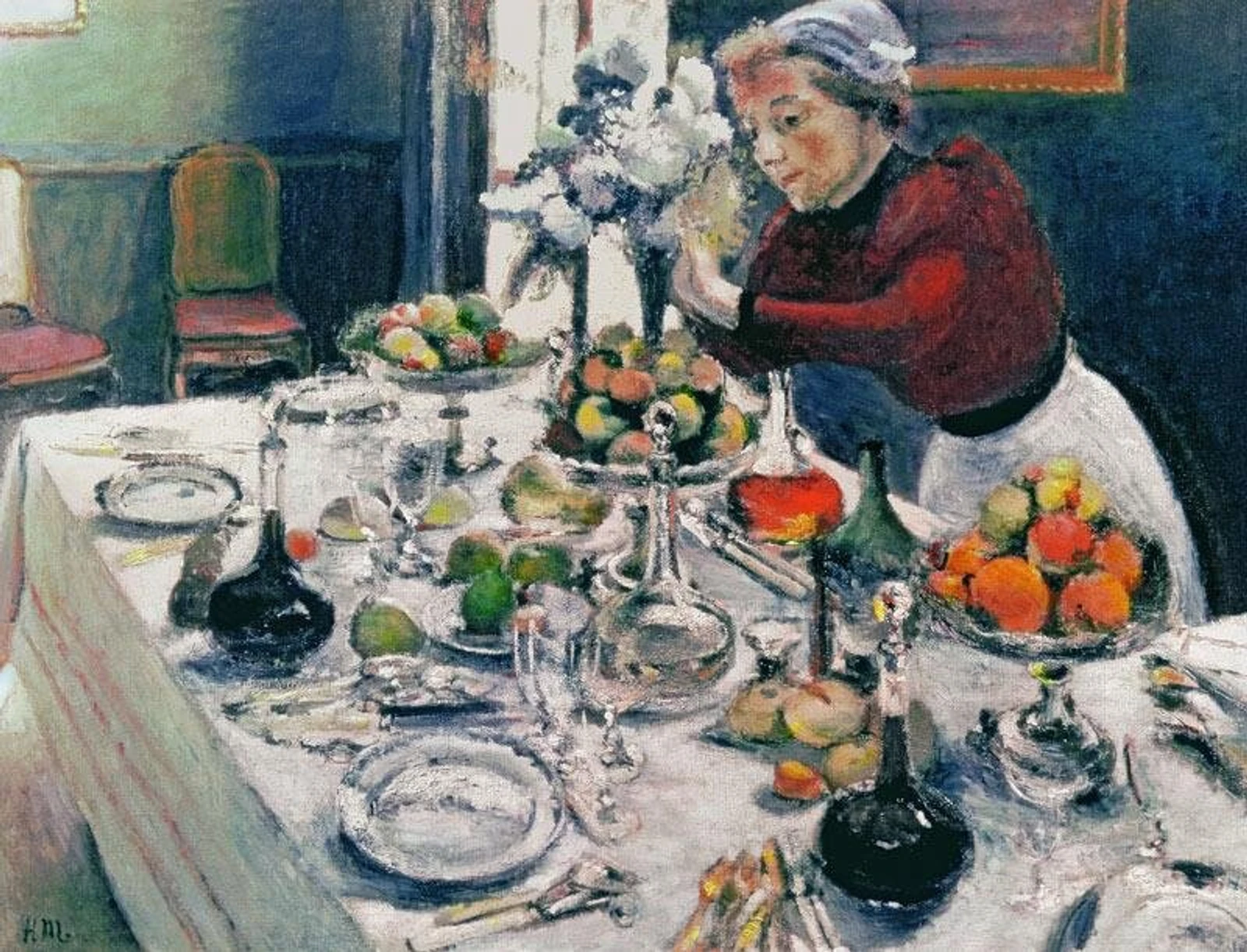
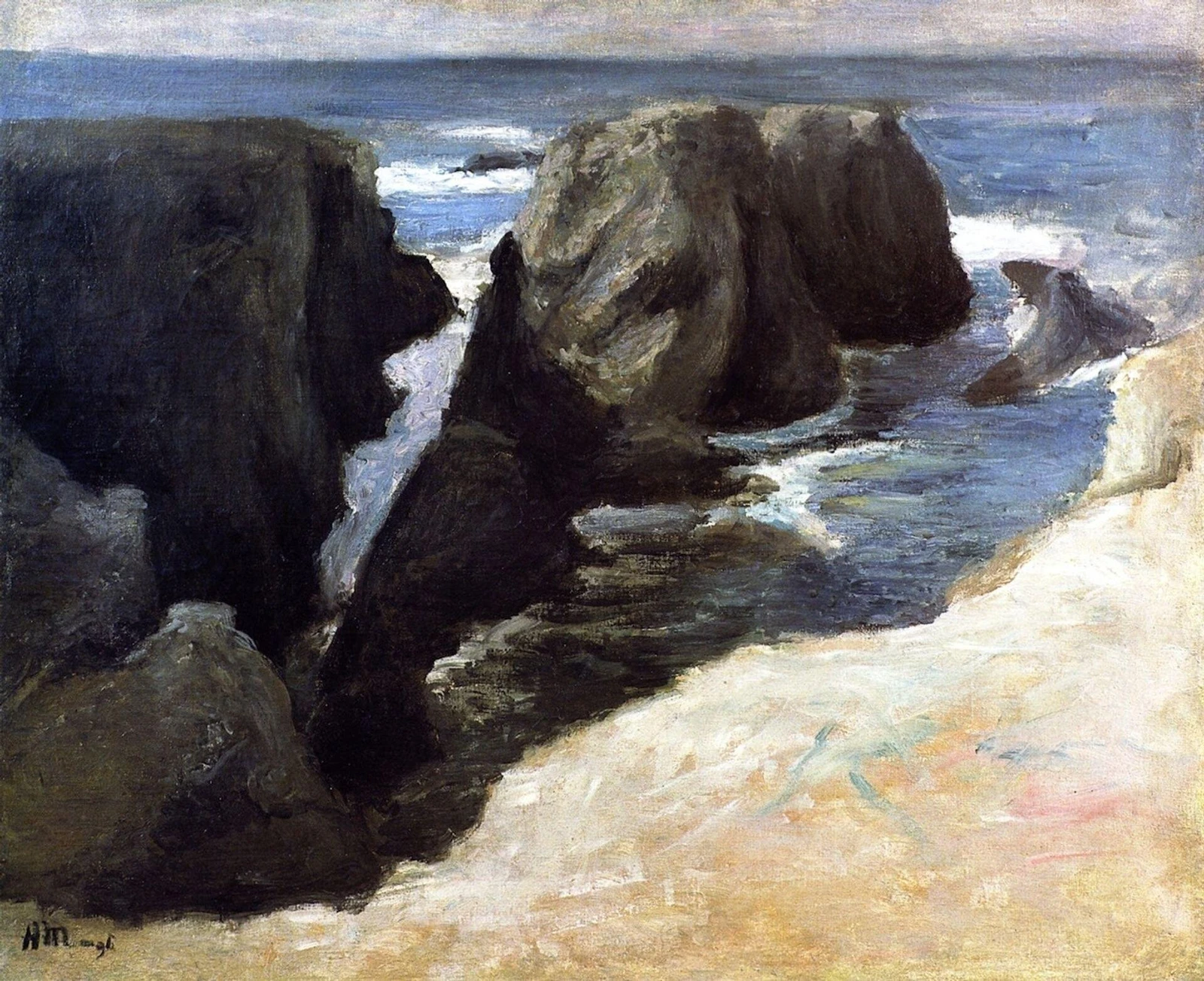
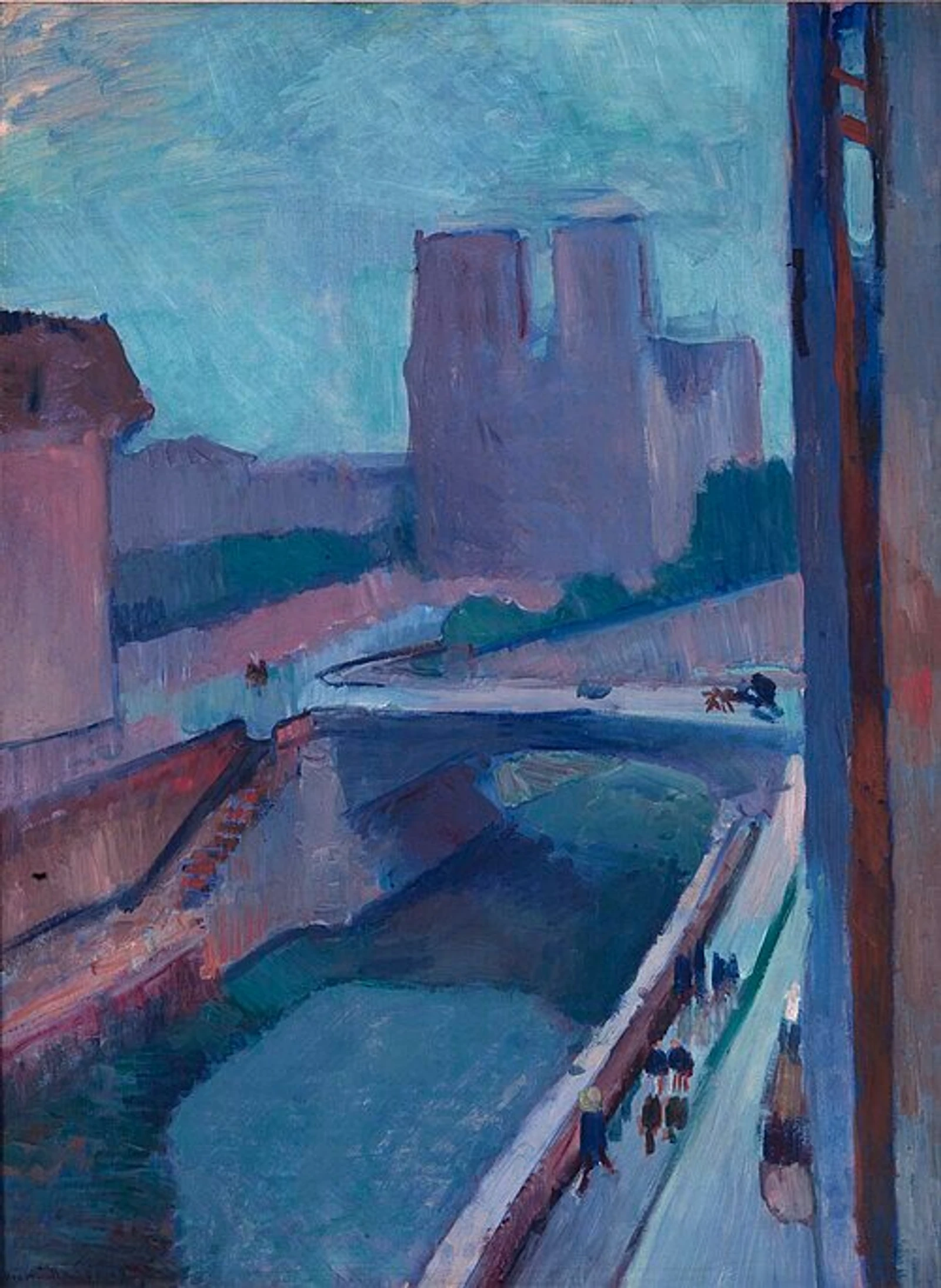
Henri Matisse, The Dinner Table, 1896
Ten years later, Matisse was still reckoning with being a painter. He had dabbled in Impressionism, sold his first painting to the French state and switched cramped ateliers several times. He learned that making a living as an artist was as harrowing as Bohain’s beet industry. The traditional path was through the prestigious École des Beaux-Arts. Matisse tried five times before being accepted. The expectation was to paint what you see and nothing more. He would have none of that.
To describe a blazing fire and a tree on a plain, we must stay put in front of that fire and that tree until for us they no longer resemble any other tree or any other fire. That is the way in which you will become original.
— Guy de Maupassant
Inspired by Guy de Maupassant’s words, Matisse tried to rid himself of how others saw the world. He stopped pursuing conventional success and in 1898, he found an unlikely supporter of his work. Amélie Parayre had sworn to never marry a redhead, a bearded buck or, worse, a painter. The day she met Matisse, she broke all three vows. Her parents were devoted aides of the Humberts, an established and influential political family, whose ranks included senators, a Minister of Justice and an heir to a vast American fortune. Amélie’s family was not rich, but she brought Matisse an unwavering support for his work.
It was during their five-month honeymoon in Corsica that a realisation struck Matisse. In their routine, they got up, strolled, swam, Amélie modelled and Henri painted. Yet, the model and the landscape seemed less important now. The light made the trees, the horizon, the details, the impression seem pale in contrast to what would become the primary subject of his paintings: colour.
Soon there came to me, like a revelation, the love of materials for their own sake. I felt growing within me a passion for colour.
— Henri Matisse
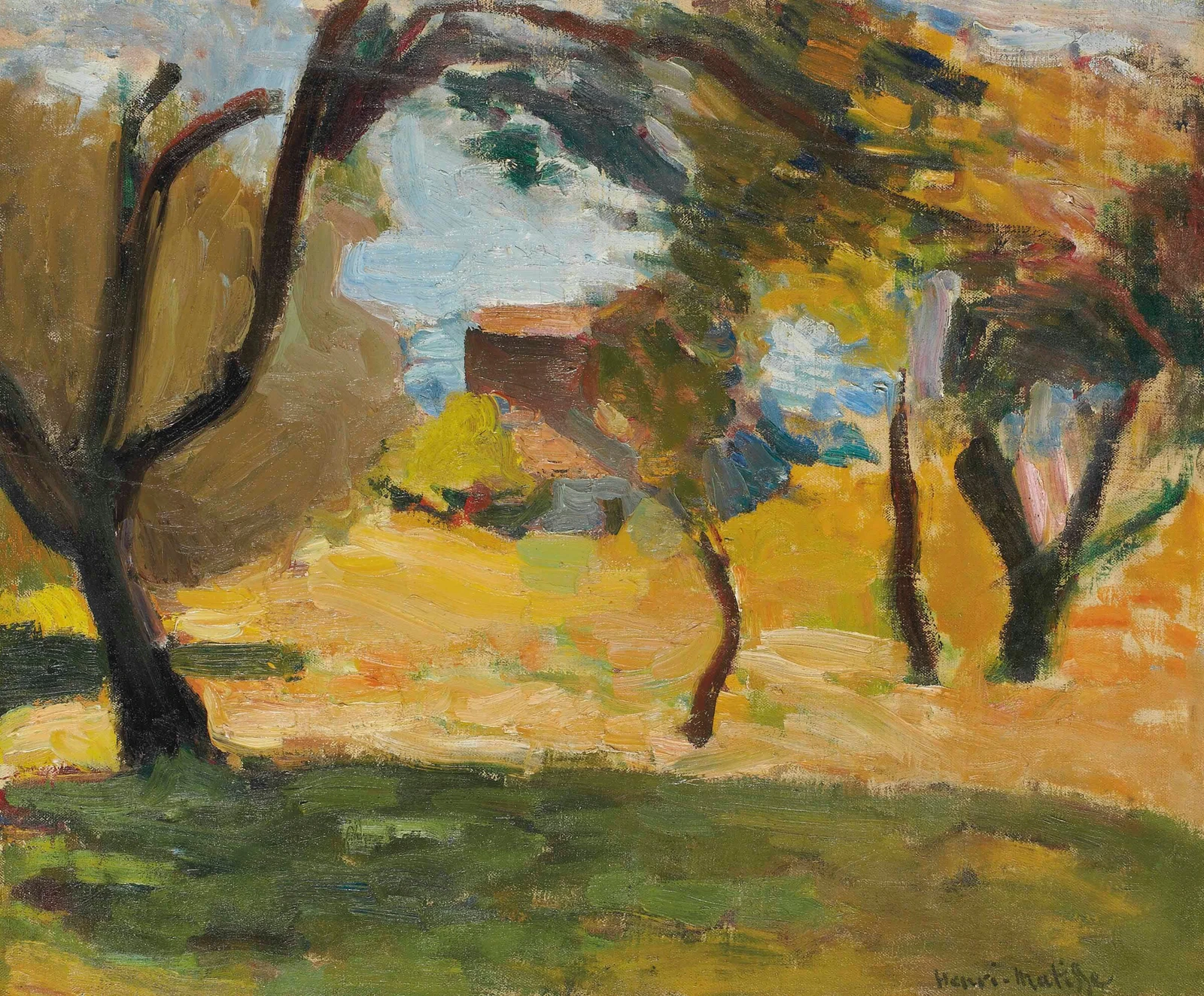
Henri Matisse, Corsican Landscape, 1898
By 1901, Matisse was determined to continue his bold colour experiments. Yet, the reception of his Corsica paintings was frosty, if not hostile, and he had a family to feed: Marguerite, a young daughter from a previous relationship and Amélie’s two sons, Jean and Pierre. After several confrontations, Henri’s father cut off his monthly allowance. Amélie opened a hat shop to lift the financial pressure off him. In the frigid Paris winters and grey light, he pushed handcarts full of unsold canvases and visited dealers. Sometimes, he would walk on the road, hoping that an accident would bring in more money than his art. By day, Matisse battled academic tradition. By night, insomnia.
Difficulties aside, it was a painting that kept Matisse going. In 1900, he bought the Three Bathers by Cézanne for close to half his annual income. Amélie pawned her emerald ring, a wedding present, to raise the money.
“If Cézanne was right, then I am right,” was his mantra. “And I knew that Cézanne was not wrong.”
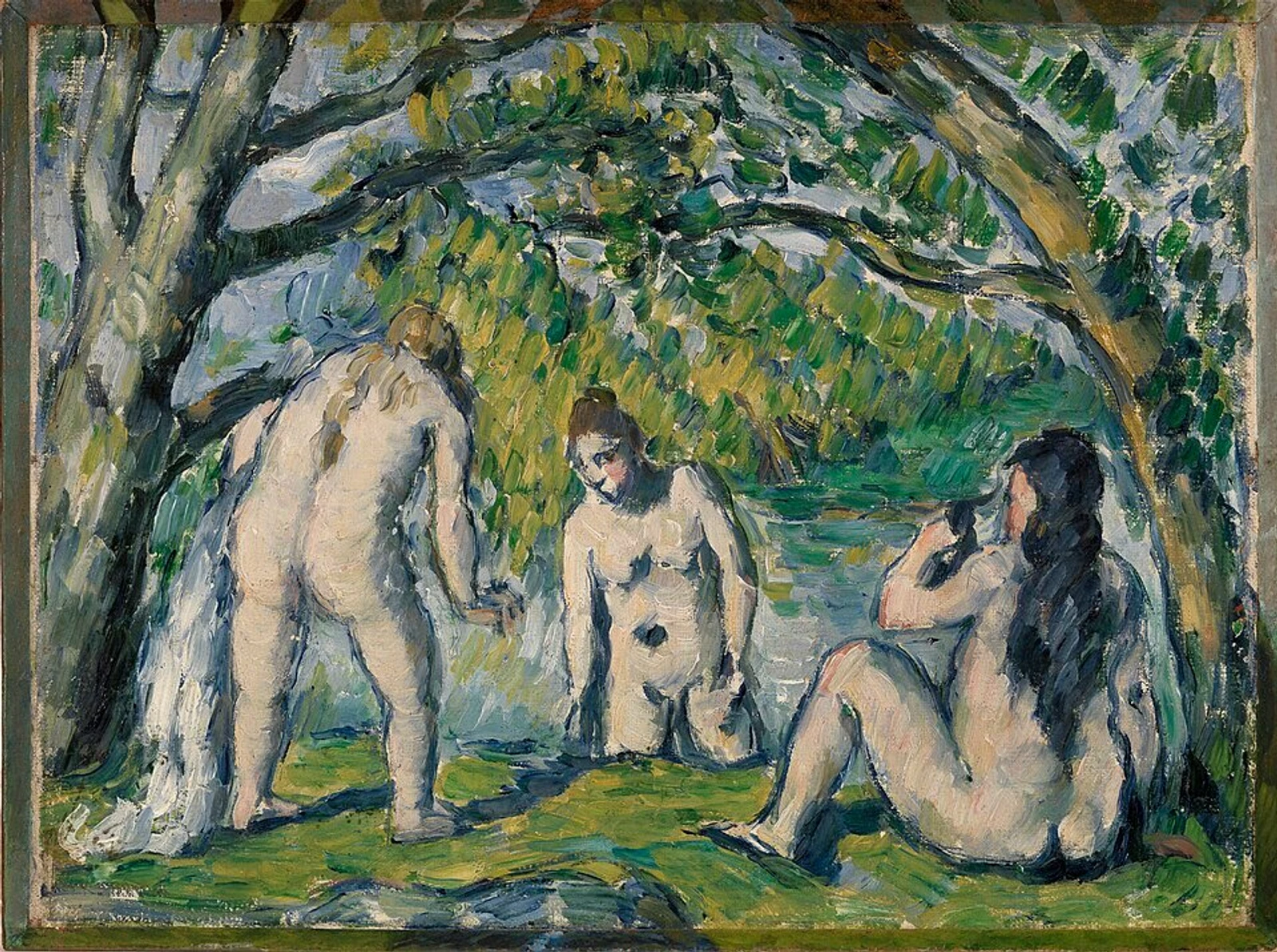
Paul Cézanne, Three Bathers, 1879–82
Matisse stubbornly pursued his goal, walking the 102 stairs to his tiny studio at quai St Michel every day. Despite the poor finances, Matisse had been breaking free from artistic conventions since he married Amélie. Dealers took interest in his work and were starting to sell some of his new colour experiments. Soon, a breakthrough would come. It didn’t.
In 1902, a court ordered the Humberts’ safety deposit box to be opened. Facing lawsuits from creditors, their fortune was guaranteed by bonds left to Madame Humbert by a long-dead American millionaire, Crawford. Inside the box, there was only an old newspaper, an Italian coin and a trouser button. Crawford didn’t exist and never had. The Humberts were nowhere to be found. Amélie’s parents were charged with complicity in what was dubbed “the greatest swindle of the century”.
Matisse would not paint for close to two years. The hat shop closed down and he was now financially responsible for his wife, three children and in-laws. He dealt with the press attacks on the Parayres, attended trials and moved the family between Paris and Bohain. Back in Beet Town, the name Matisse was the subject of all gossip (a failed artist, a good-for-nothing son and, you won’t believe it, the in-law of Humbert’s accomplices; what to do with him?). After several months of vilification, the Parayres defended themselves in the Humbert trial, having been duped themselves. Their names were cleared, but they were left without any means. By the end of 1903, Matisse’s state of mind spilled onto his palette.
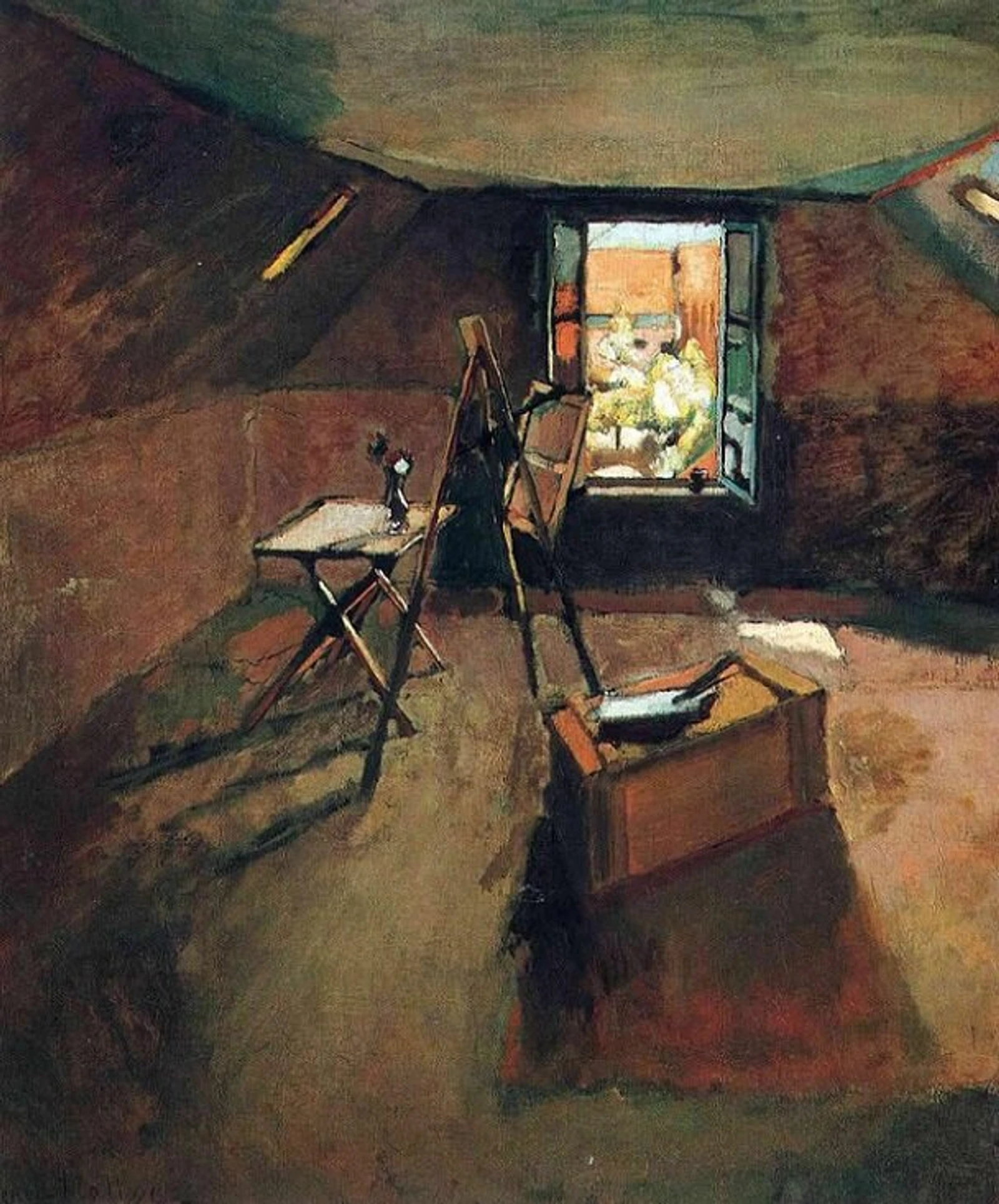
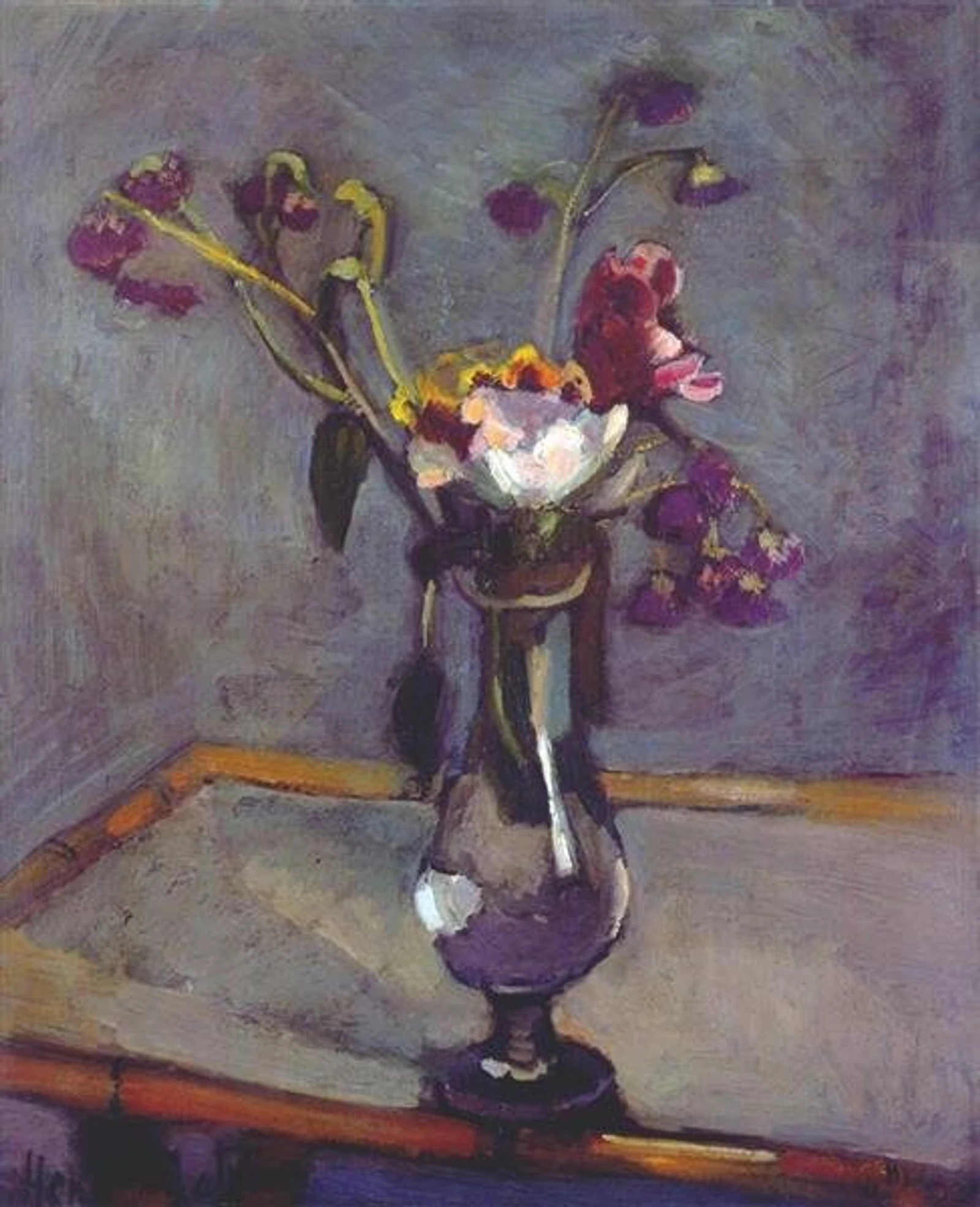
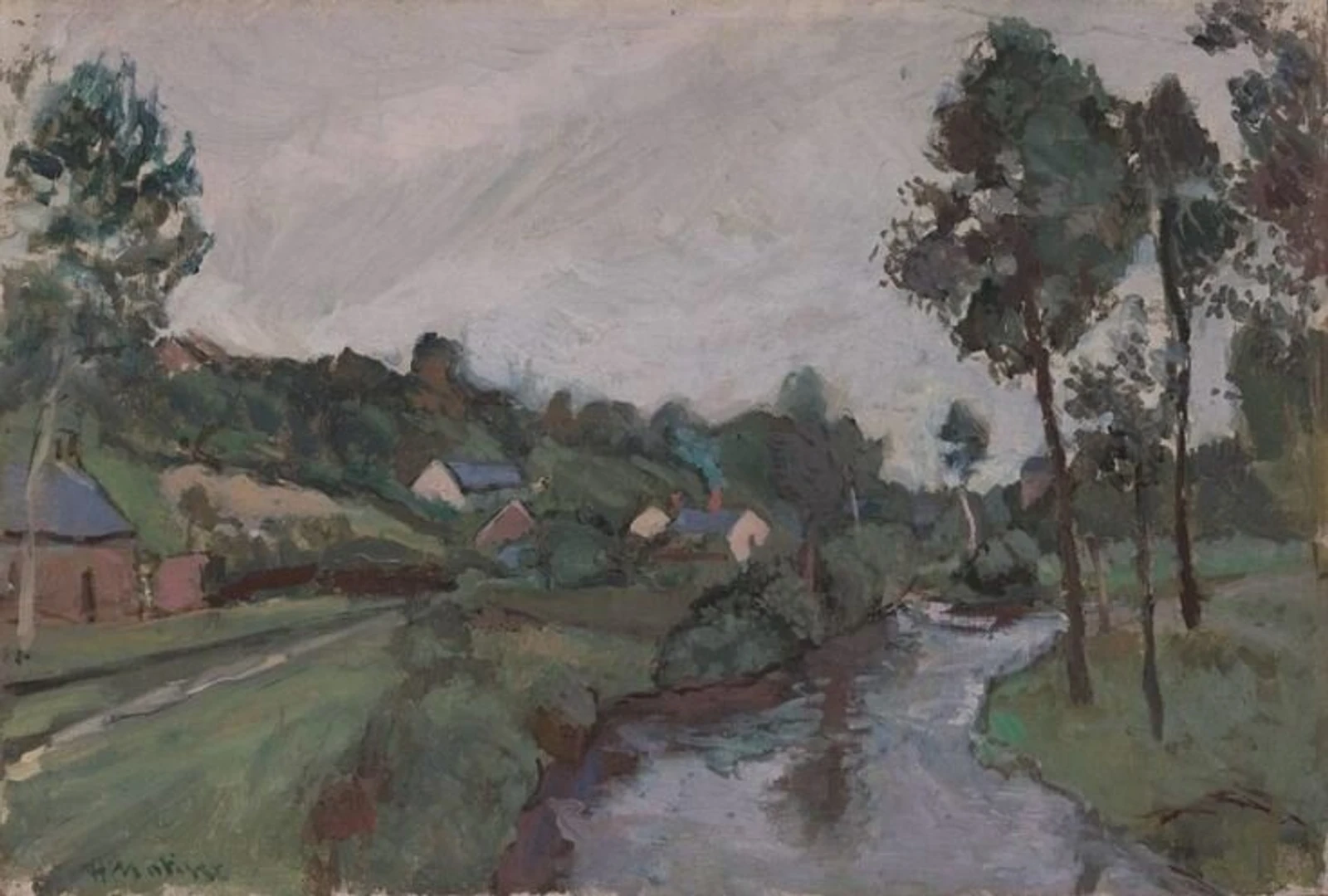
Henri Matisse, Studio under the Eaves, c.1903
Living hand to mouth, the Matisses survived on loans and the occasional sale of old work. Vollard, a Parisian dealer who Matisse called “Fifi the Thief”, gave him a one-man show. Nothing sold. They scraped by, celebrating when two canvases snatched 400 francs. The only option was to leave Paris, find a cheap place to live. Paul Signac’s invitation in 1904 to spend the summer in a cottage in St. Tropez came right in time. Matisse had met him in the winter of 1903 and saw Neo-Impressionism as a way to explore his passion for colour.
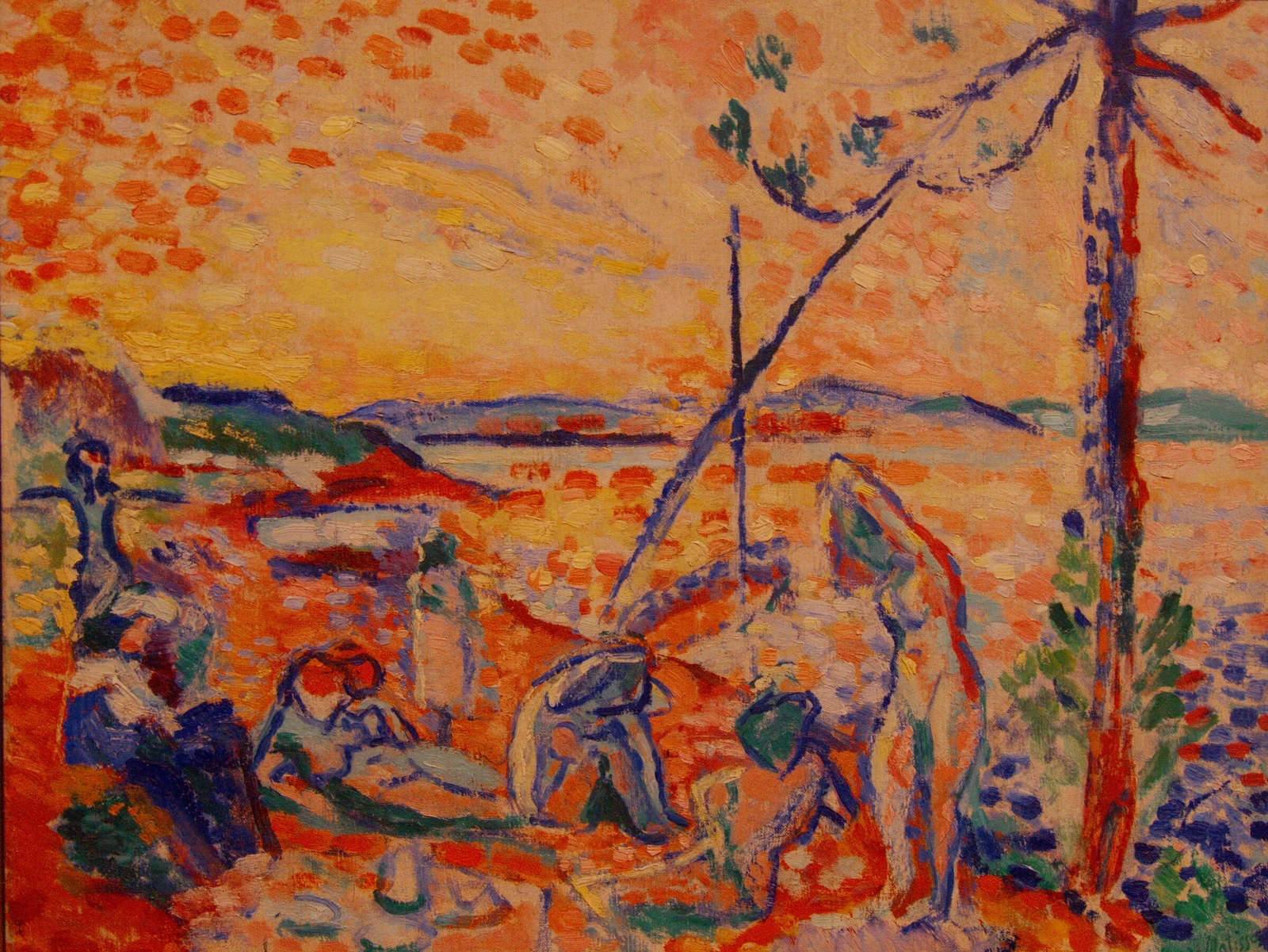
Henri Matisse, Study for Luxe, calme et volupté, 1904
After a languid summer in St. Tropez, Amélie and Henri were down to their last 50 francs. That autumn, Amélie’s sister took their parents down south to Perpignan, where she was posted as a school teacher. The Matisses joined, hoping something would sell in Paris. Only a 100-franc loan came from a friend.
Collioure
In May 1905, Matisse traveled south from Perpignan to a small fishing village 20km away from the Spanish border. One overheard more Catalan than French. At Hôtel de la Gare, the proprietor, Dame Rousette, sized him up with a long gaze.
“What do you do?”
“I paint.”
“Men fish around here.”
“My wife, Amélie, you know, she…”
“Sardines and anchovies.”
“I have three children.”
“It’s hard work, you know?”
“…”
“You’re upstairs. Rent is due on Mondays.”
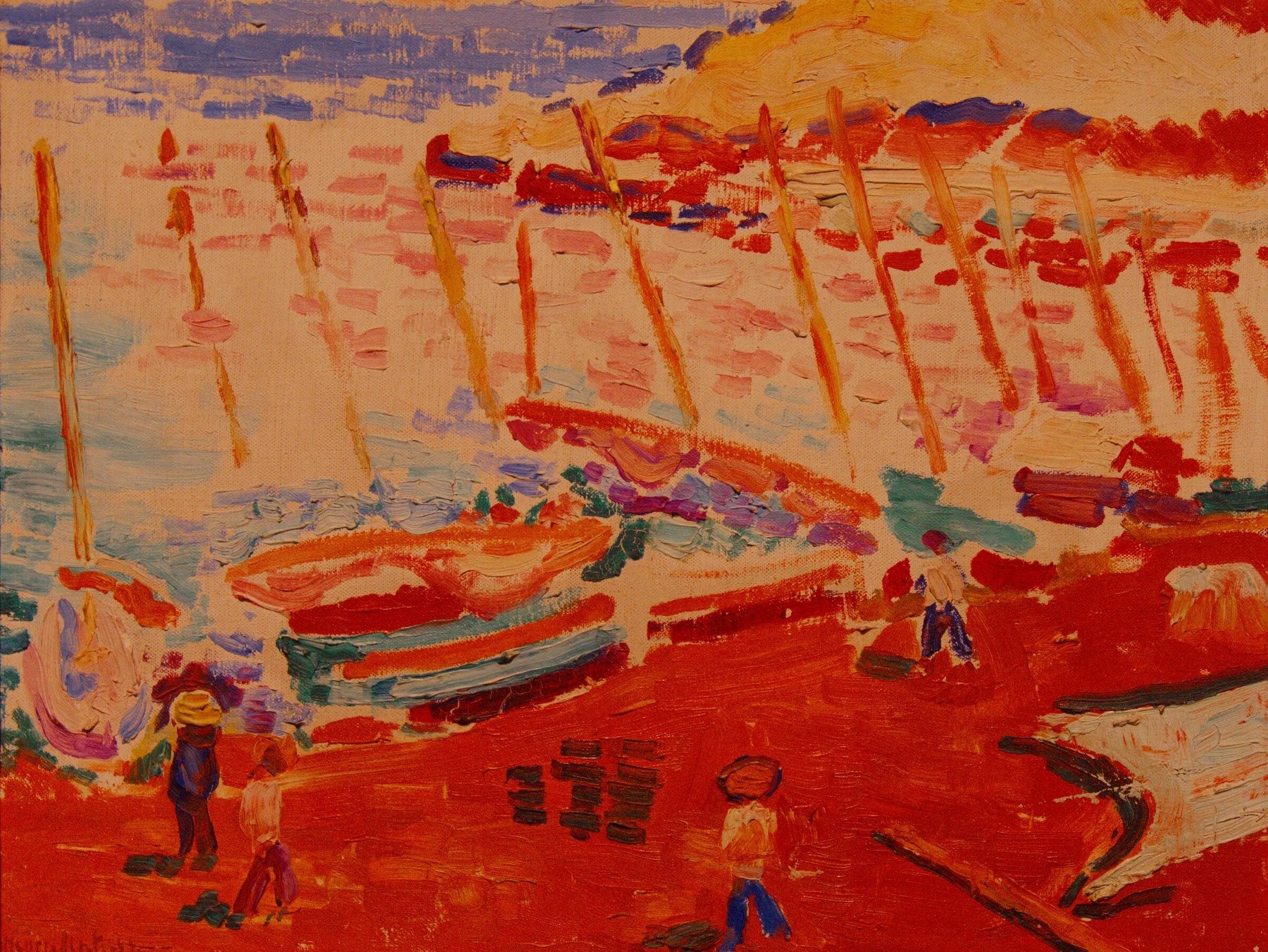
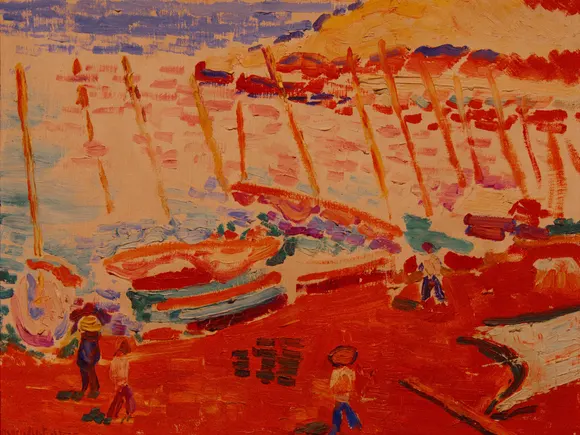
La plage rouge, 1905
Henri Matisse
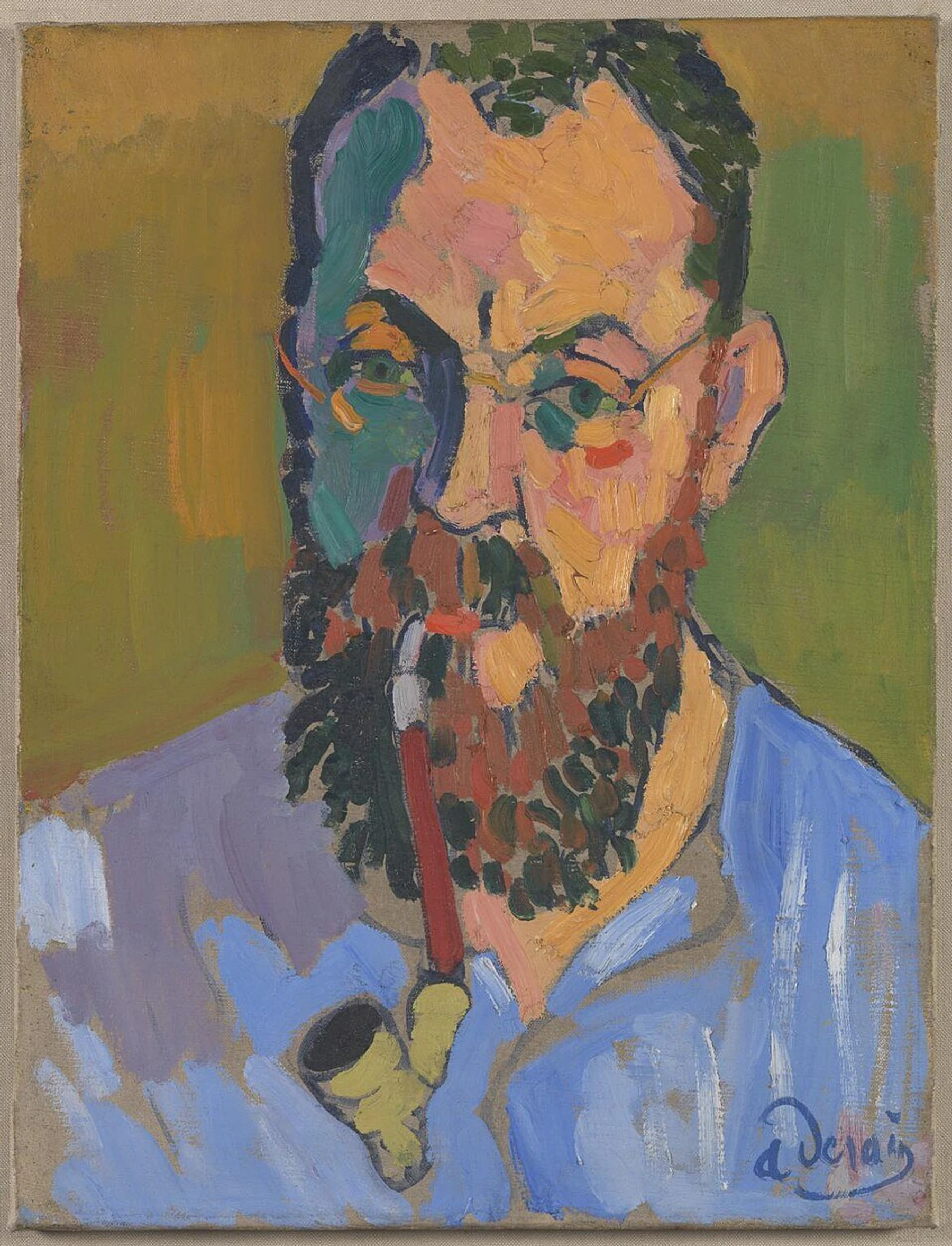
Henri Matisse, 1905
André Derain
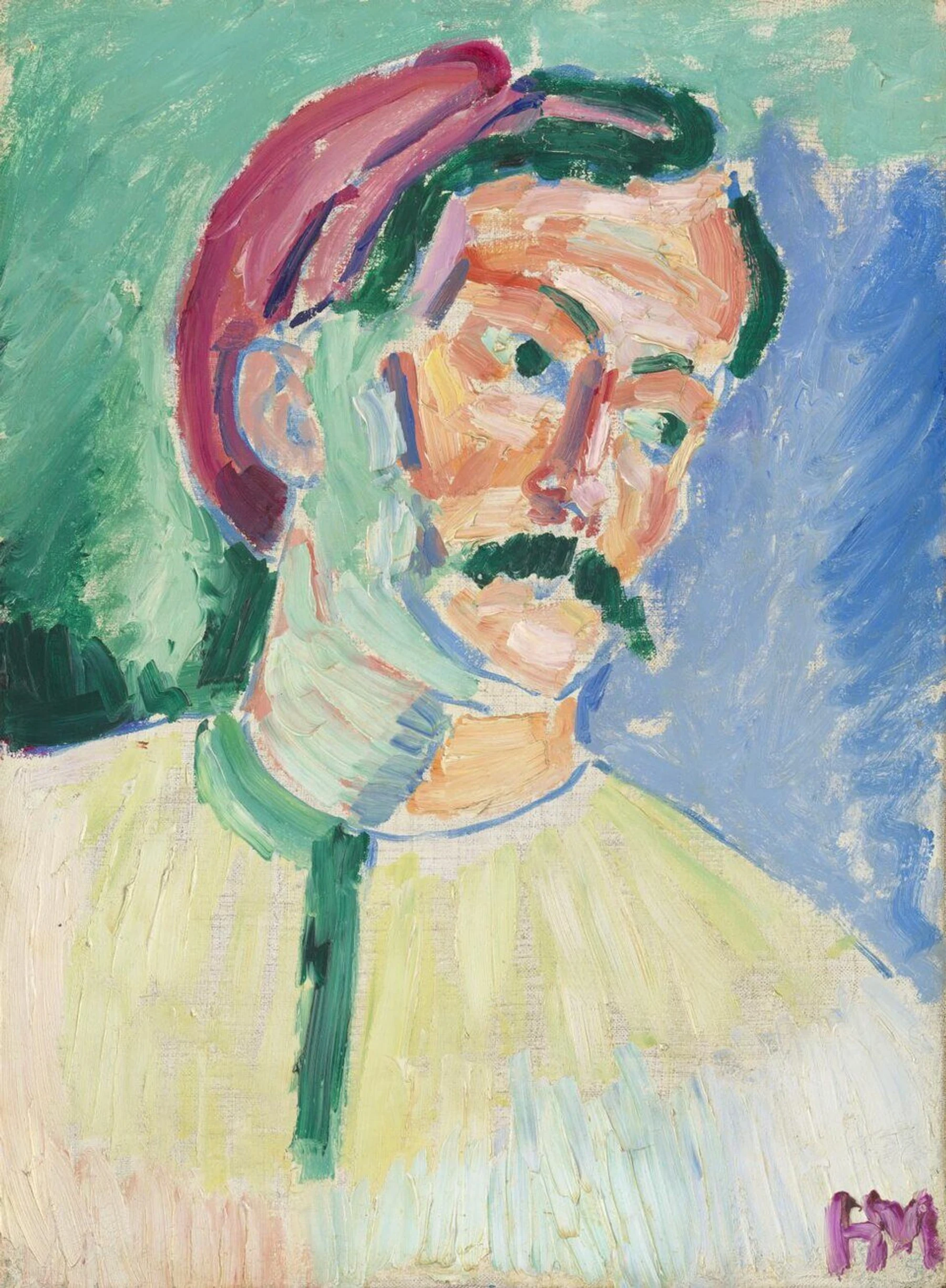
André Derain, 1905
Henri Matisse
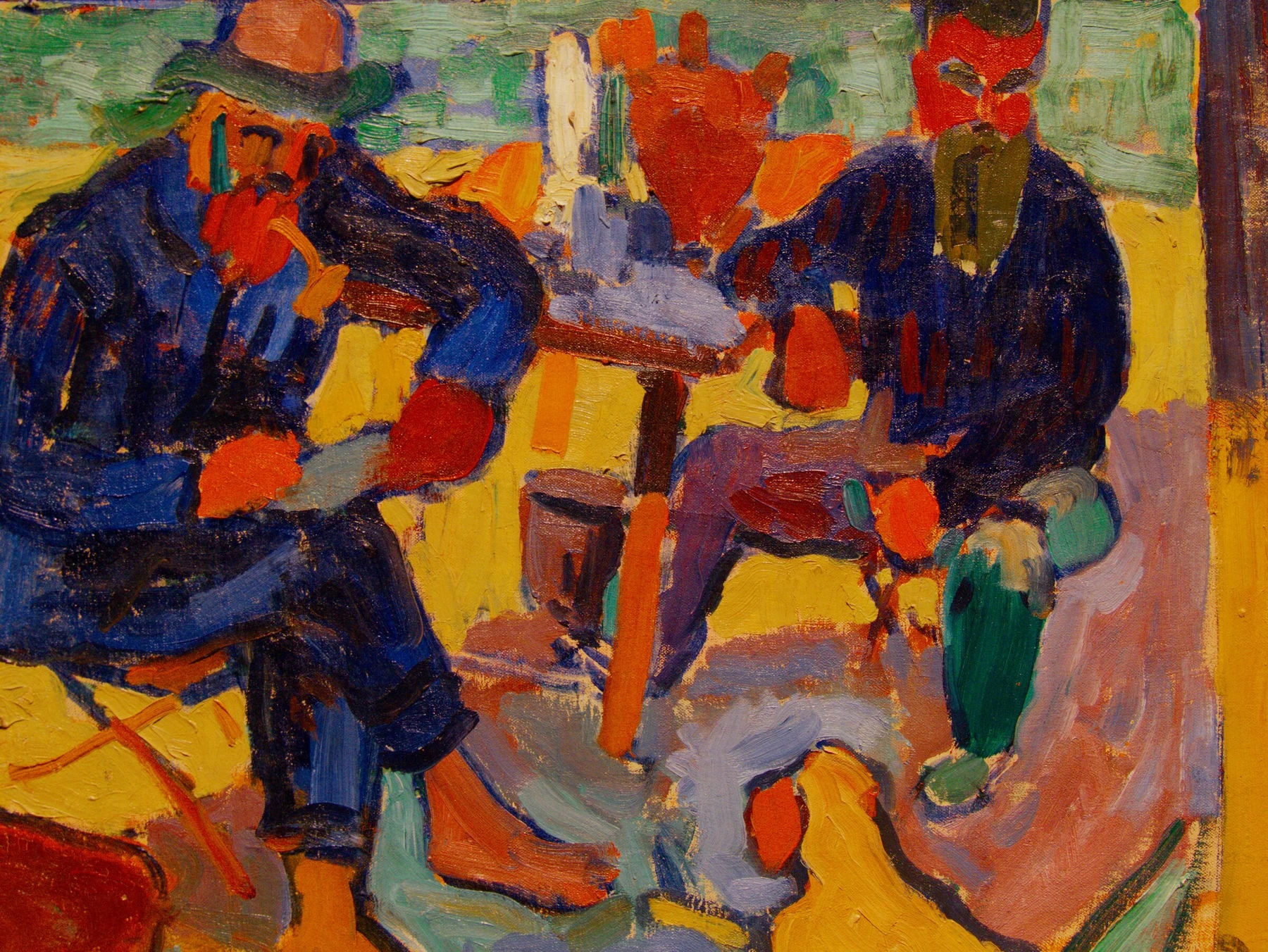
Matisse and Terrus, 1905
André Derain
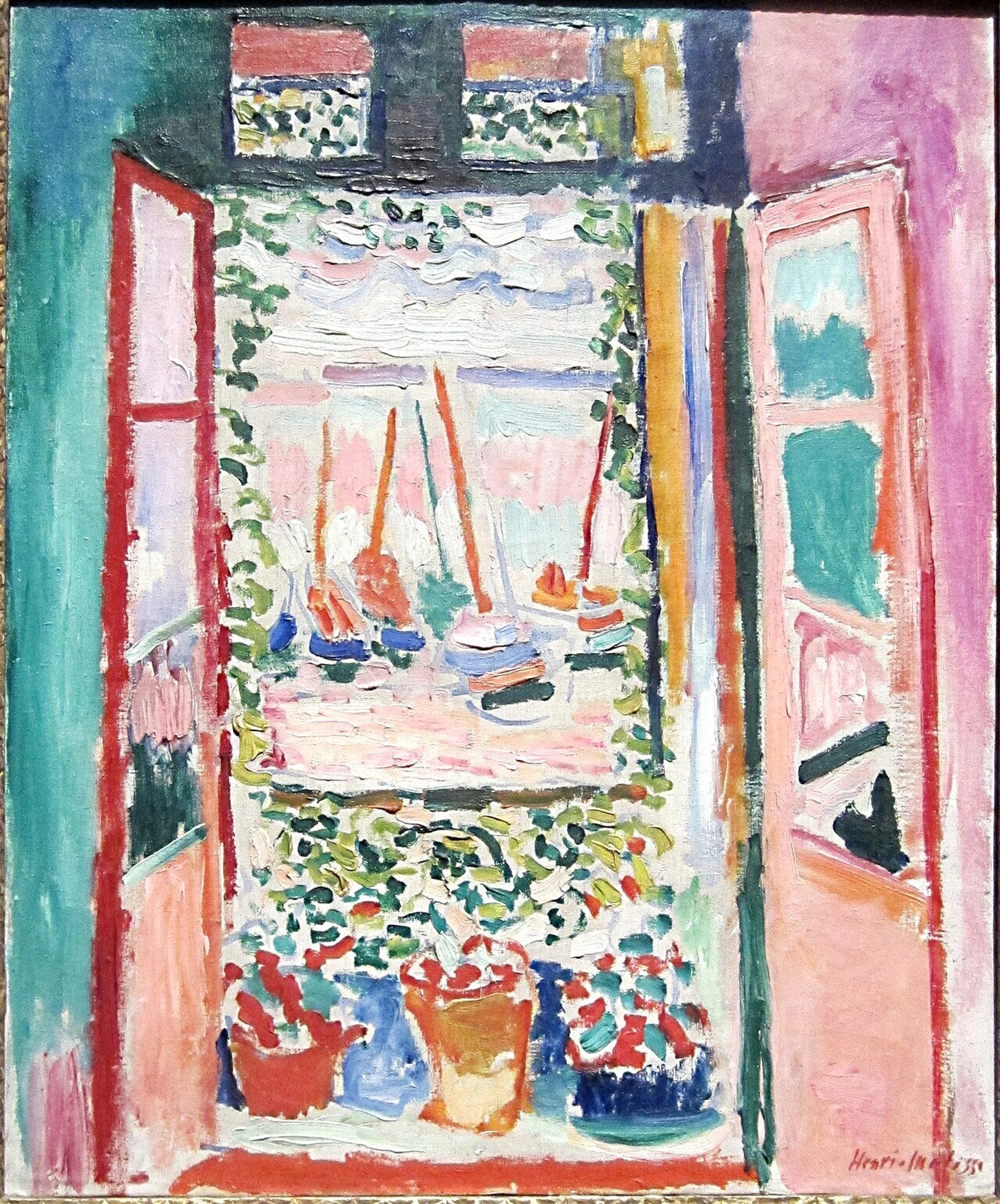
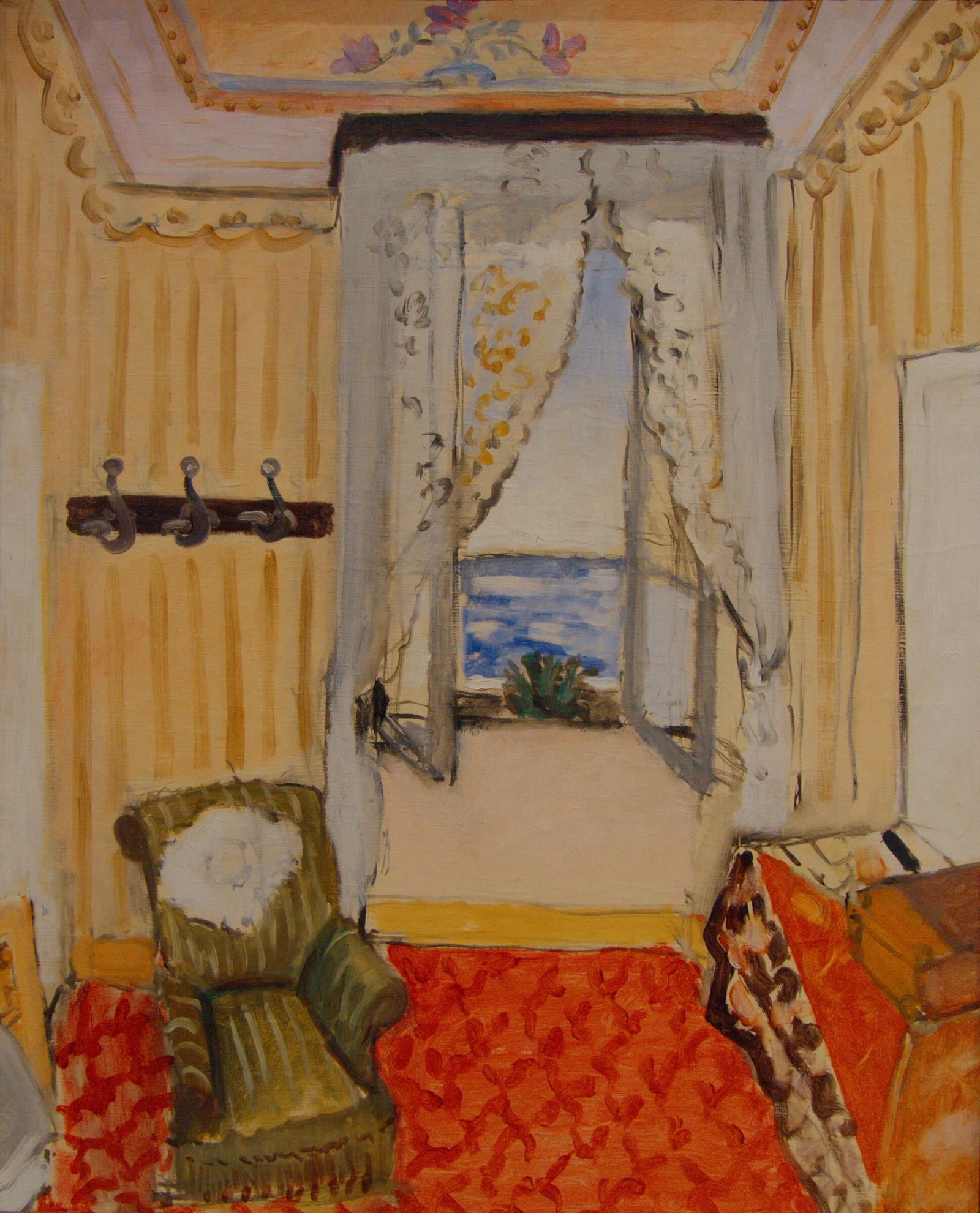
Open Window, Collioure, 1905
Henri Matisse
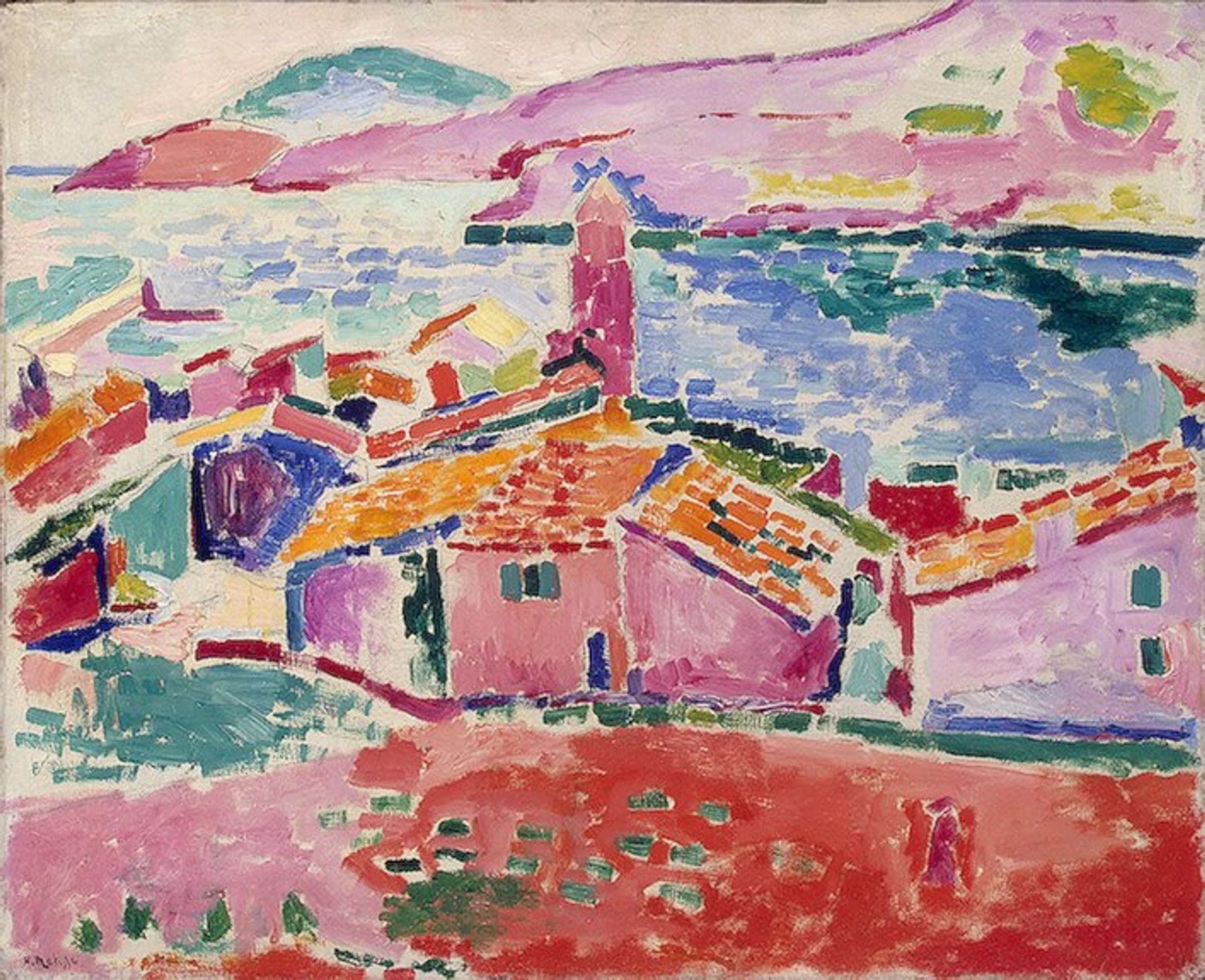
View of Collioure, 1905
Henri Matisse
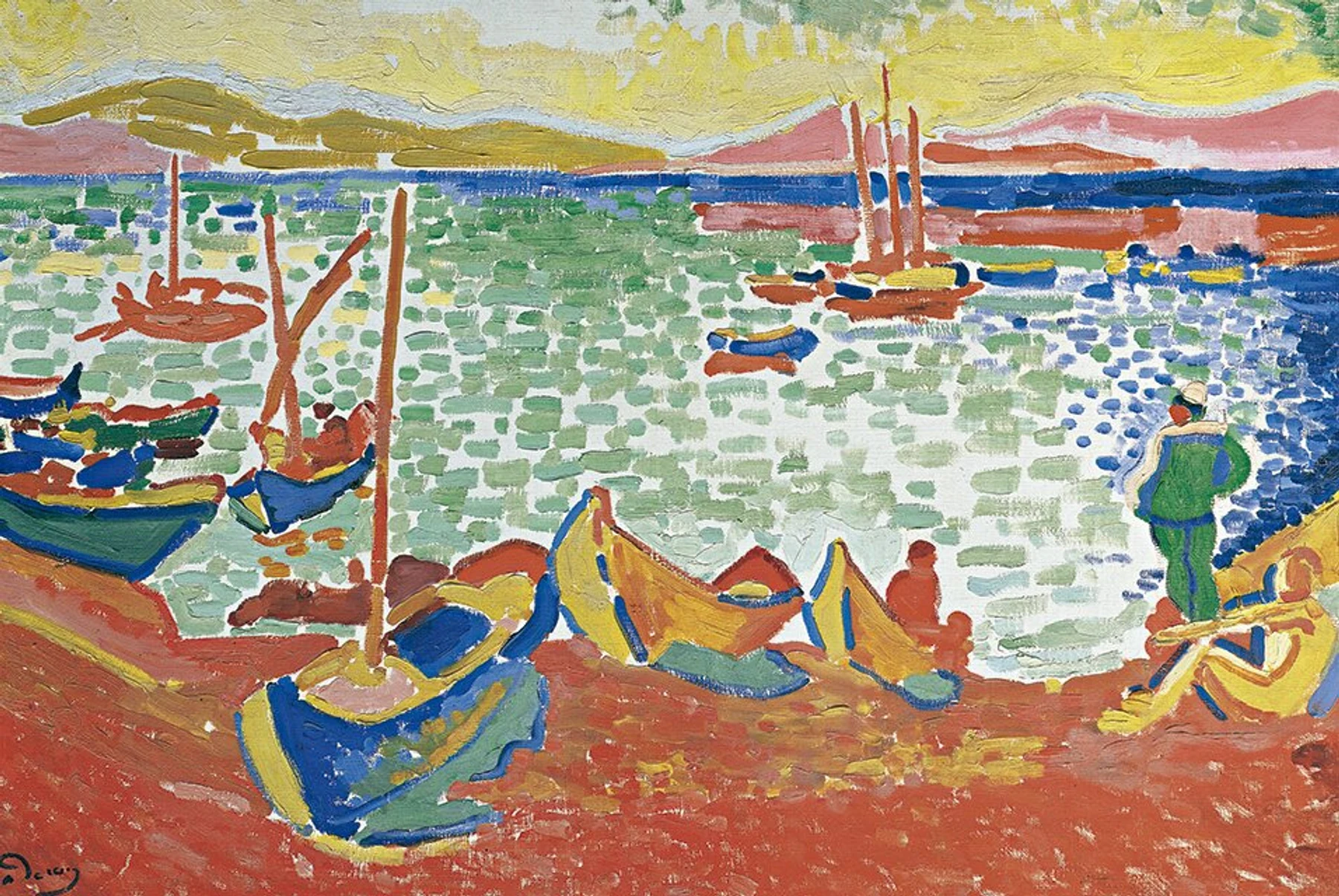
Boats in the Port of Collioure, 1905
André Derain
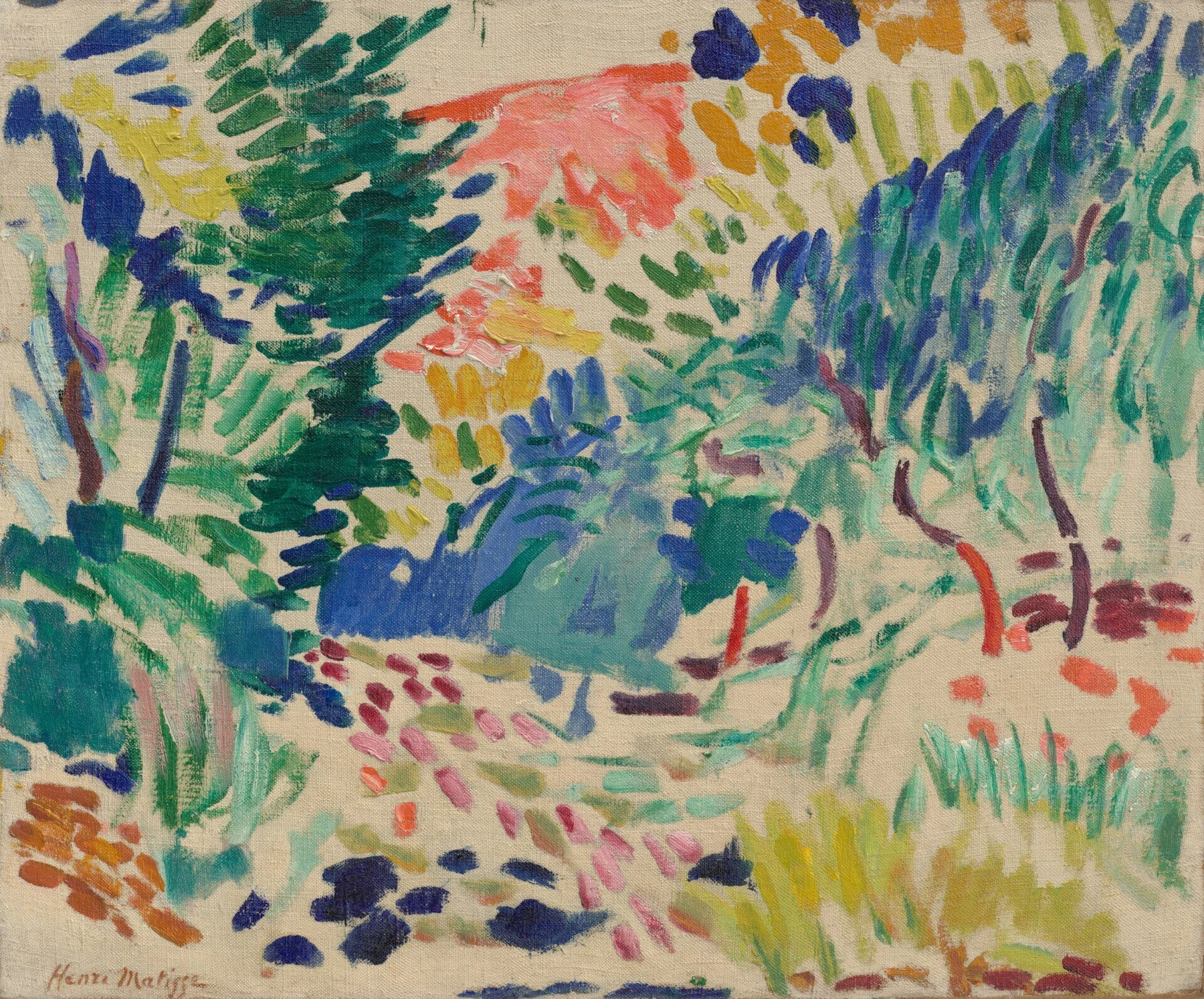
Landscape at Collioure, 1905
Henri Matisse
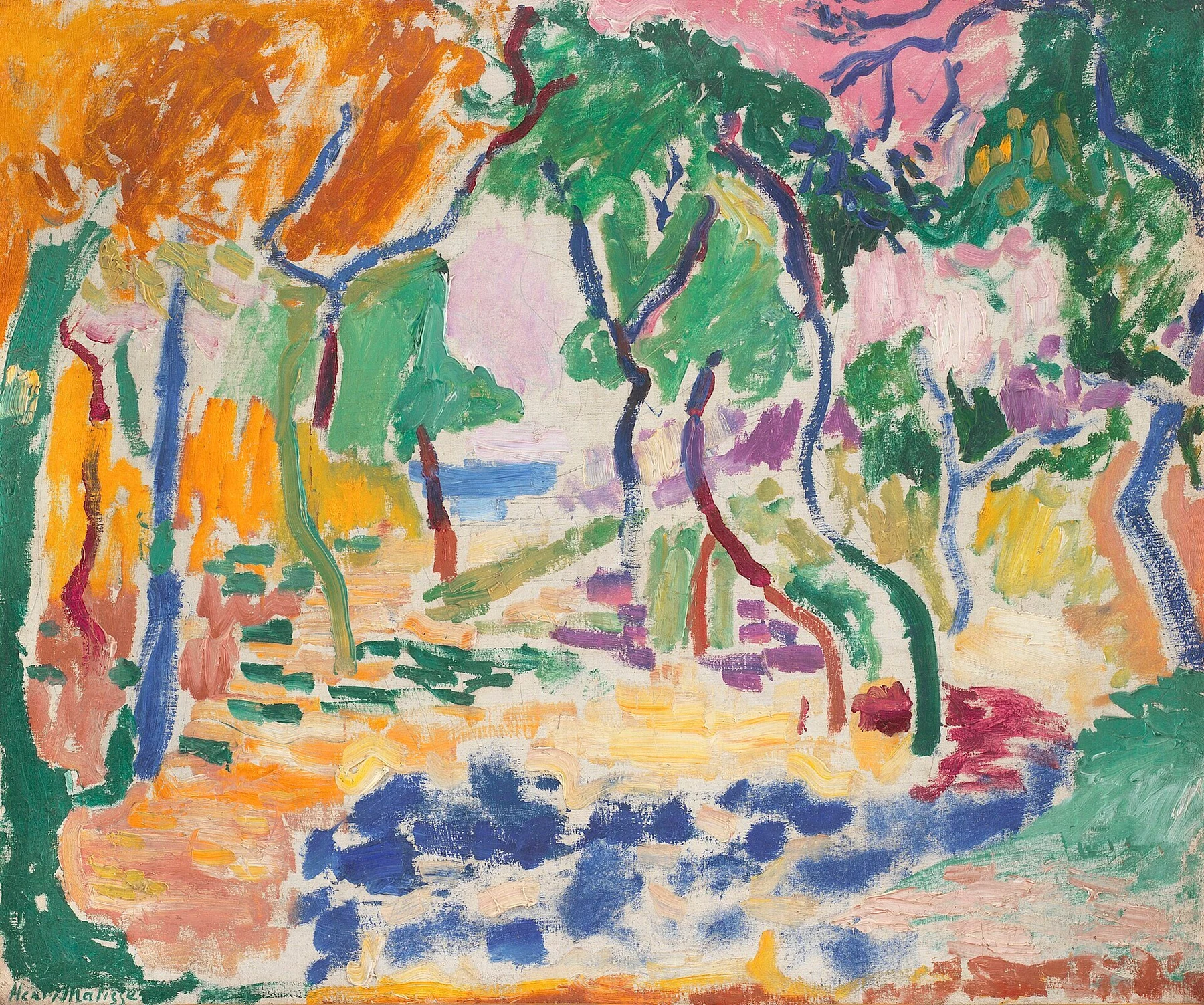
Landscape at Collioure, 1905
Henri Matisse
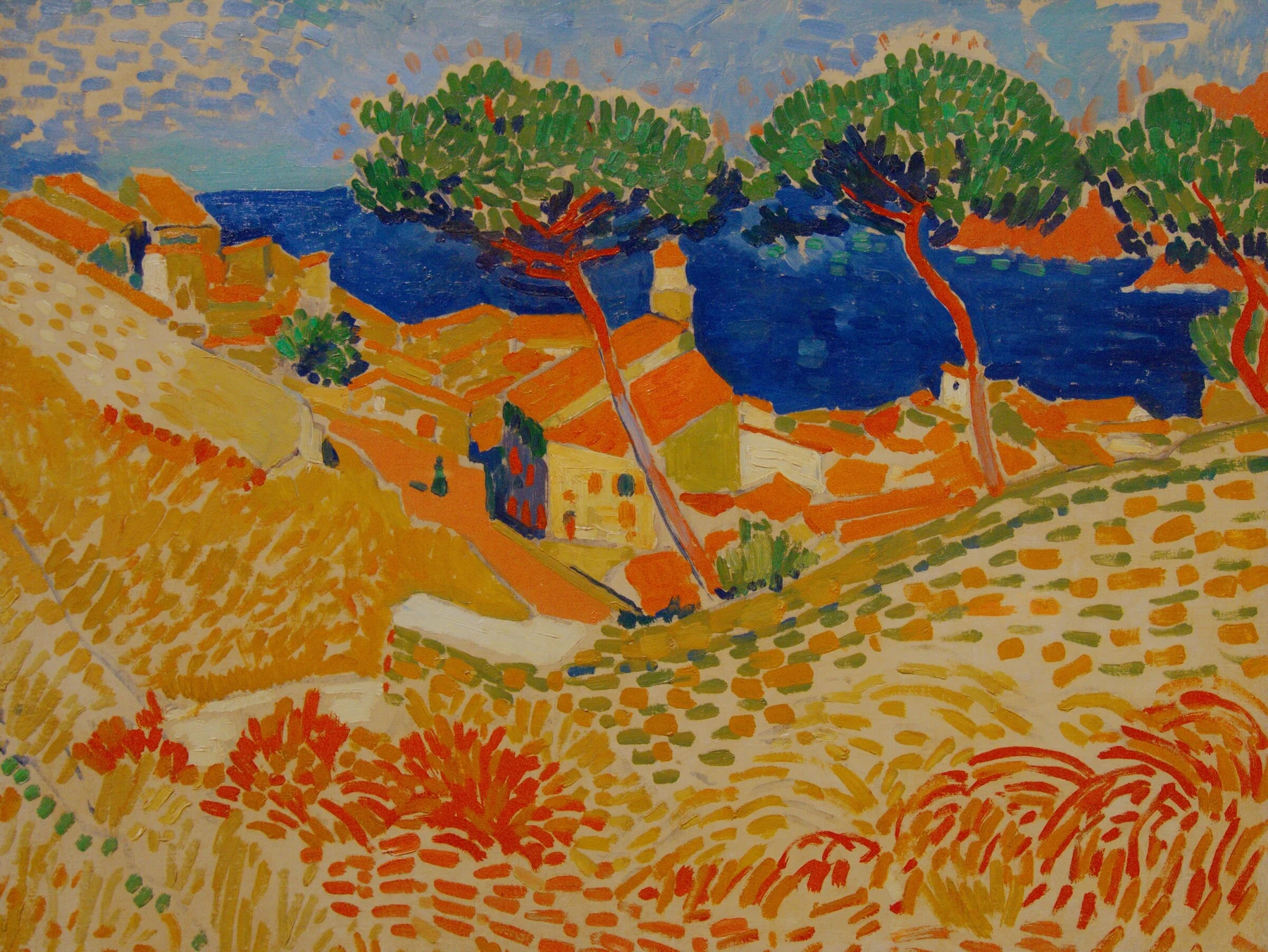
Vue de Collioure, 1905
André Derain
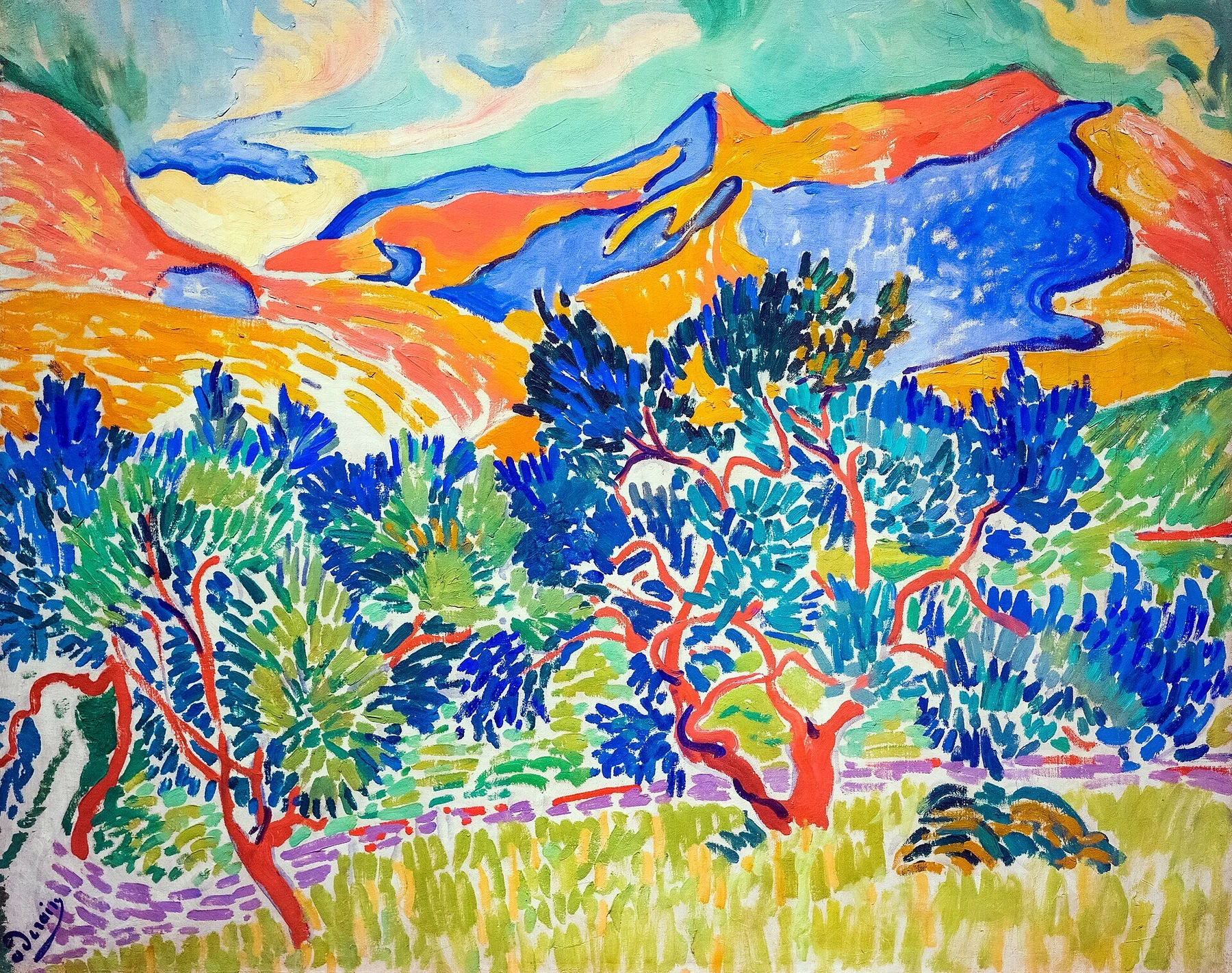
Mountains at Collioure, 1905
André Derain
Every day, more than 150 fishing boats left the port to scour the waters. So did the Matisses, probing the beaches and pine forests north of Collioure and resuming their Corsican routines.
After a few weeks, Henri wrote to his 19-year-old friend, André Derain, who lived in Paris with his parents. They had met in one of the capital’s ateliers. Matisse insisted that coming to this obscure village was “absolutely necessary”.
The hotel porter remembers one day in July when a sort of lanky giant arrived, dressed all in white. Dame Rousette was skeptical of the long moustache, the cat’s eyes and the red cap. Matisse convinced her to take on another strange lodger.
For the next nine weeks, the same spell of the South that captured Monet’s attention some decades earlier was cast upon Derain and Matisse.
Mon vieux Maurice, you must be furious with me. But I haven’t had a minute to myself, for I work hard: which absorbs my whole brain. If you knew the drawings of the waves, rocks, fishes, reptiles, monsters of all kinds, the decorations that can be made with this and the share of the imagination in this work, it’s amazing.
Derain to Vlaminck, July 1905As I write, there’s a little Spanish beggar who sings gypsy songs. It’s wonderful, such perfection and color. I was in Spain. I went crazy. If you saw a Spanish village, you wouldn’t contain yourself, my old friend!
Derain to Vlaminck, July 1905Architecture with color, and then the faces. Ah la la...
Derain to Vlaminck, July 1905Accustomed to the North, Derain and Matisse might’ve landed on another planet. The sand turned red, the sea green, the sky yellow. What did Homer know about colours?
It was all vertigo. Signac’s dots were too constricting, too repetitive, Derain and Matisse felt. Ink, crayon, graphite, watercolour, oil – they tried everything to capture the light and colour in front of them.
The nights are radiant, the days are potent, ferocious and victorious. The light bears down on all sides with its immense shout of victory.
André DerainI’m thirsty for Paris, for loose women, for wit, for cutting jokes. It’s idiotic. I used to hate all that so much. I’m very much alone and it’s starting to get on my nerves. I’m wearing myself down more and more with this painting into which I put everything that no one anywhere wants, neither in brothels nor in families.
Derain to Vlaminck, July 1905Apart from that: très chic, the sea in front of the mountain. Beyond, colours that you might not like but that are very intense. This color has messed me up. I’ve let myself go with color for color’s sake. I’ve lost all my old qualities.
Derain to Vlaminck, July 1905This country, it is people, tanned heads with sassy skin colours, chrome yellow, orange; blue-black beards. It is women with very beautiful gestures, with black camisoles and mantles; then red, green, or gray pottery, donkeys, boats, white sails, multicolored hulls.
Derain to Vlaminck, July 1905Why, it’s the light, a blond light, golden, which suppresses the shadows. It’s maddening work. Everything I’ve done up till now strikes me as stupid.
Derain to Vlaminck, July 1905I’ll return to Paris on 1 September. If it weren’t for this bloody Salon d’Automne, I wouldn’t go back at all. It’s not so much that I’m happy, it’s that I begin to sense I might attain the moral tranquility I so long for.
Derain to Vlaminck, August 1905Fauvism overthrew the tyranny of Divisionism. One can’t live in a household that is too well-kept, a house kept by country aunts.
— Henri Matisse
The duo garnered hefty ambitions for the Salon d’Automne: to show a “whole world of clarity and luminosity”, said Derain. Matisse was content to finally exhibit art that expressed his uncorrupted vision – “something I’ve been working toward since I began to paint,” he said. His summer bounty consisted of fifteen paintings, forty watercolours and close to a hundred drawings. He selected nine pieces and was working on a Pointillist view of the port in Collioure, which he took back to Beet Town. His most ambitious piece up to that point.
“That’s not painting,” his mother said. In the frenzy of disappointment, Matisse could only slash it, throw it out and quickly put together a portrait of Amélie, just in time for the opening of the 1905 Salon d’Automne in the august halls of the Grand Palais. The press was looking forward to Rodin’s sculptures, the important Ingres and Manet retrospectives, as well as pieces from established Impressionists: Cézanne, Renoir, Redon. To their surprise, they also got a spicy scandal from room VII.
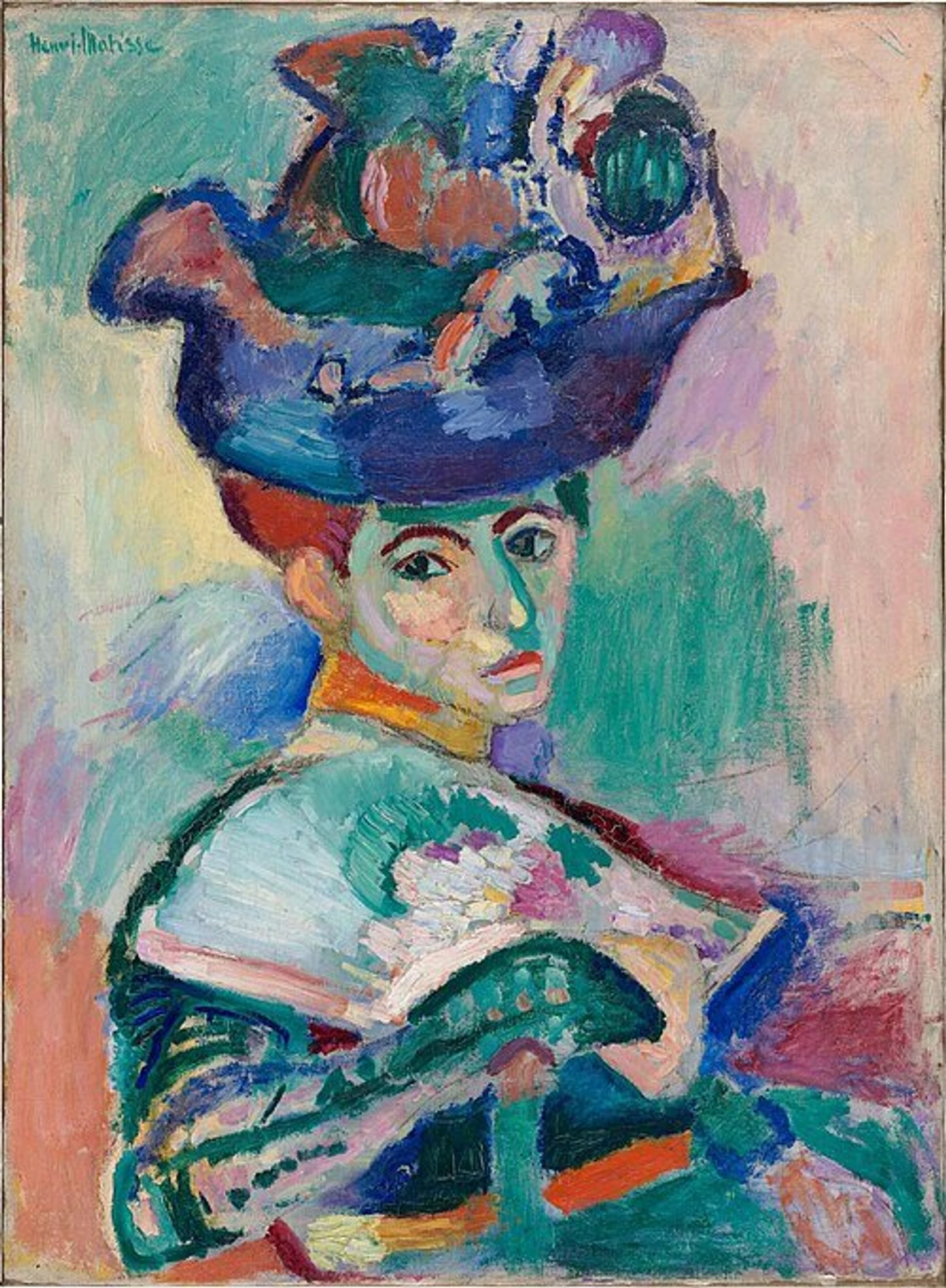
Henri Matisse, Woman with a Hat, 1905
In Room VII are exhibited the works of Matisse, Marquet, Manguin, Camoin, Girieud, Derain, Ramon Pichot... In the centre of the room, a sculpture of a child and a bust in marble by Albert Marquet, whose modelling is a delicate science. The naïvety of these busts comes as a surprise in the middle of an orgy of raw colour: Donatello amongst the wild beasts...
— Louis Vauxcelles
Room VII, the press reported, was an attack on norms by Matisse and his band of fauves, those wild beasts. The president of the Salon advised him not to submit the portrait of Amélie – it would ruin his career. Matisse, ever obstinate, did not listen.
What the Collioure duo hoped would be a pivotal step in their break away from tradition, turned into public ridicule. The audience mocked, scoffed and sneered. Derain was not disheartened, as he would soon be on his way to capture London’s mist in this new wild style – Fauvism, as it will be known. Dealer Vollard had purchased all 89 paintings in his studio earlier in the year on Matisse’s recommendation. Now, after seeing the young painter’s summer output, Vollard bankrolled the trip.
Matisse’s dream of becoming a clown was, well, reality. He heard nothing back from Vollard and he could not paint the way he had before, so there was nothing “safe” to sell. Everything changed for him that summer. He could only cling to Cézanne’s Three Bathers (he came close to selling it) in his belief that he should keep on painting – “If Cézanne was right, then I am right.”
Collioure was cheap, so Matisse returned with his family in the summer. And the one after that. The Côte d’Azur would become his studio in the coming years, as he doggedly pursued his passion for colour.
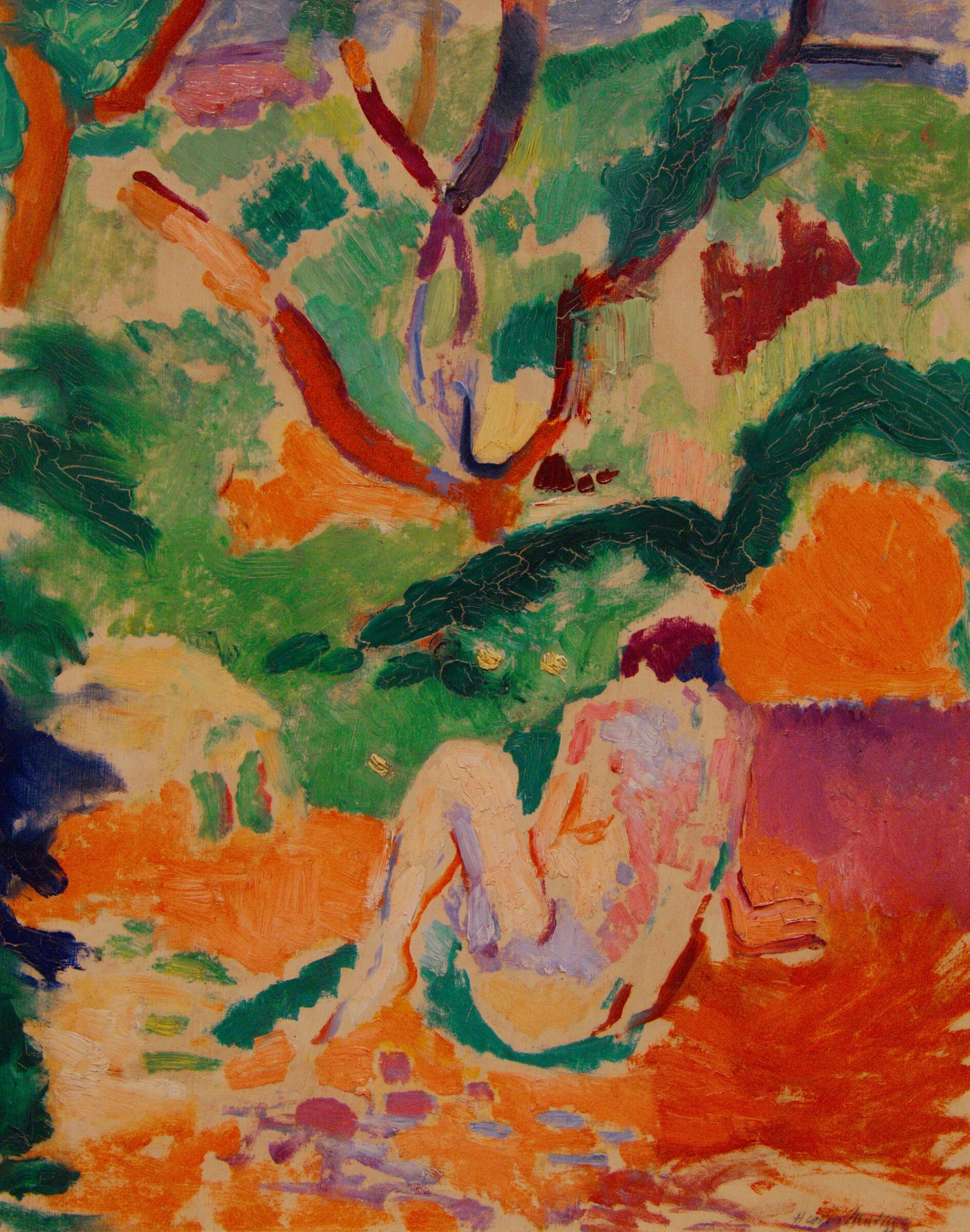
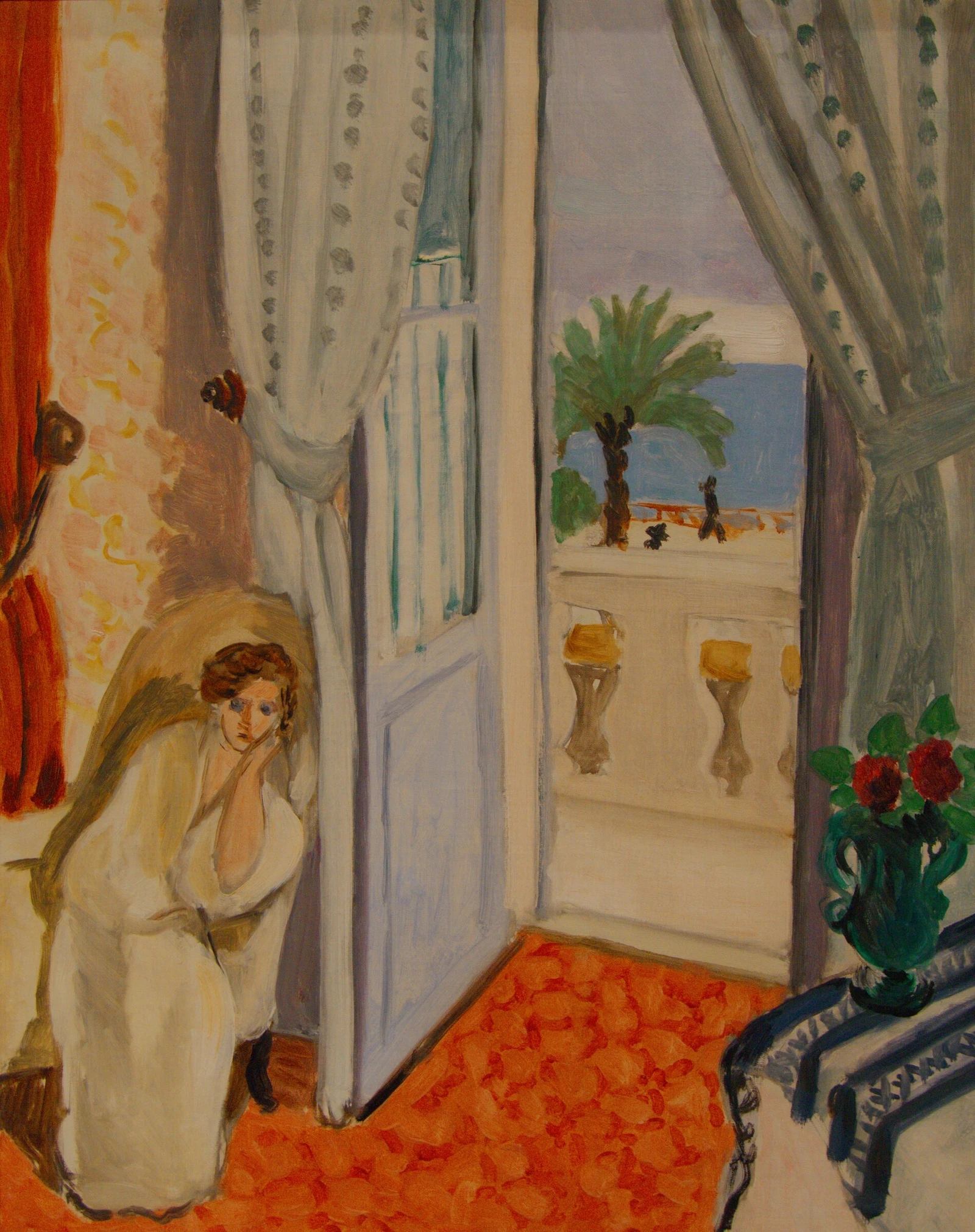
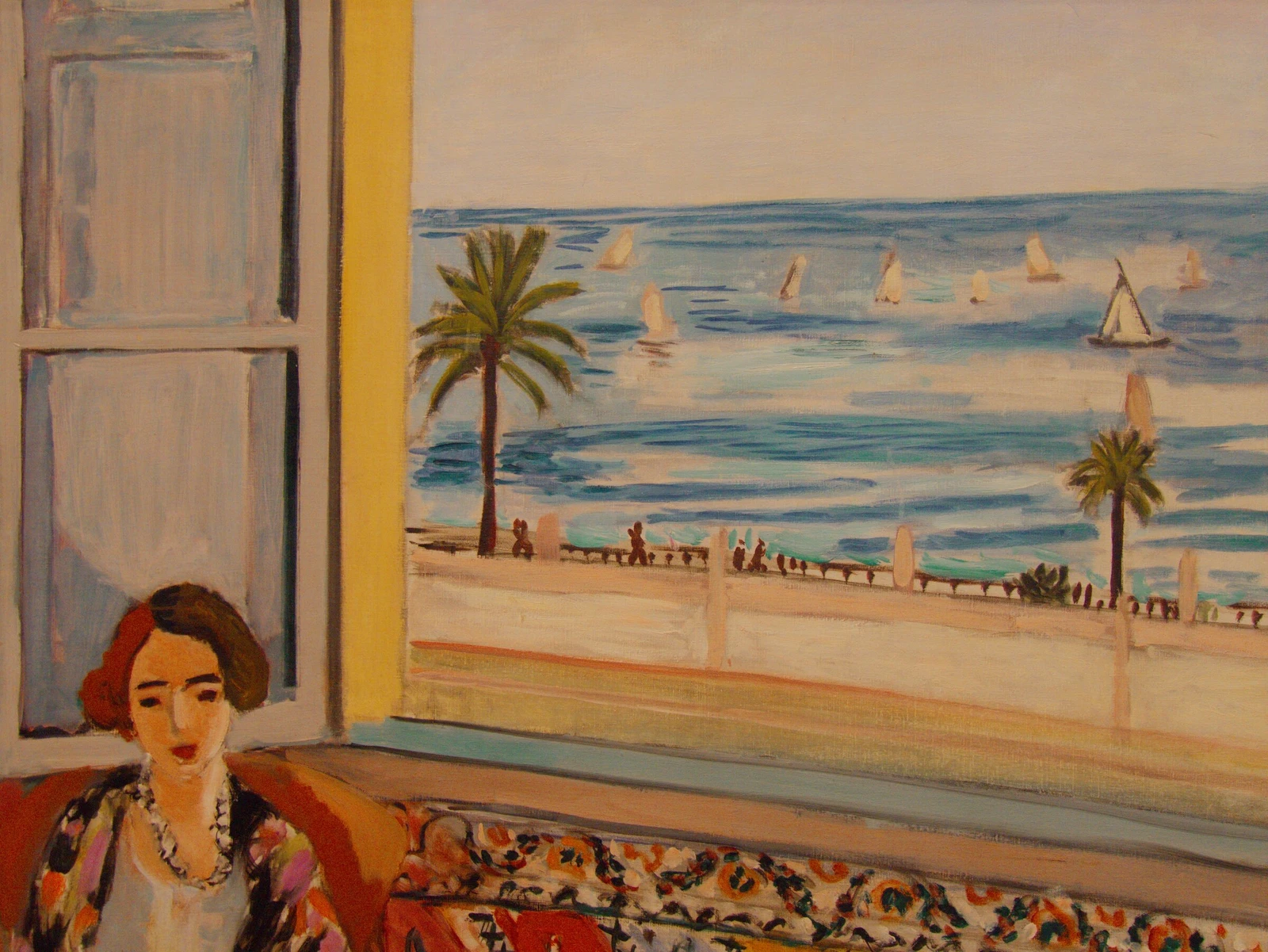
Henri Matisse, Nude in a Wood, 1906
In 1919, Matisse visited Renoir in his hotel room in Nice, where they had been hiding during the Great War. In his seventies, Renoir could barely move. Painting was the only thing that kept him alive.
“You’re talking to someone who hasn’t perhaps achieved anything much,” said Renoir, “but who has managed to produce something that is absolutely his own. I worked with Monet, and with Cézanne for years, and I’ve always remained myself”. The words resonated with Matisse, who confessed to great self-doubt. Yet he couldn’t imagine himself painting any other way.
“Well, that’s exactly what I like about you,” said Renoir.
While most people were appalled by the Fauves at the 1905 Salon d’Automne, a 23-year-old Georges Braque took notice. Unsatisfied with Impressionism (he called it “domesticated, played out, mannered”), the struggling copyist saw the Fauvist approach as an exciting way forward. With the Collioure canvases in mind, he headed to the Côte d’Azur to try his hand. The Northerner brought up in Le Havre had never been further south than a café in Paris.
It’s there that I felt all the elation, all the joy, welling up inside me. Just imagine, I left the drab, gloomy Paris studios where you were still working in bitumen. There, by contrast, what a revelation, what a blossoming!
— Georges Braque
L’Estaque
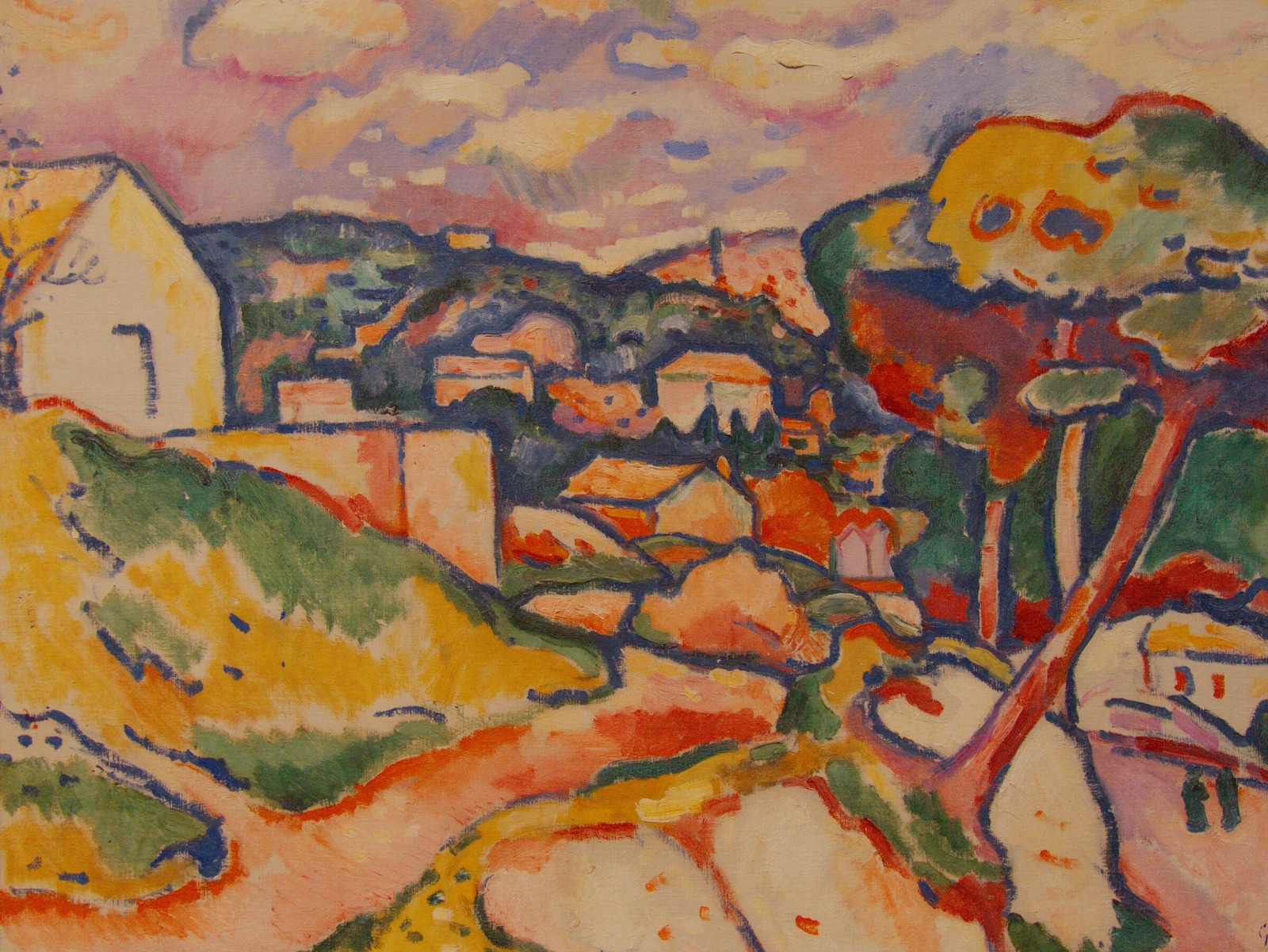
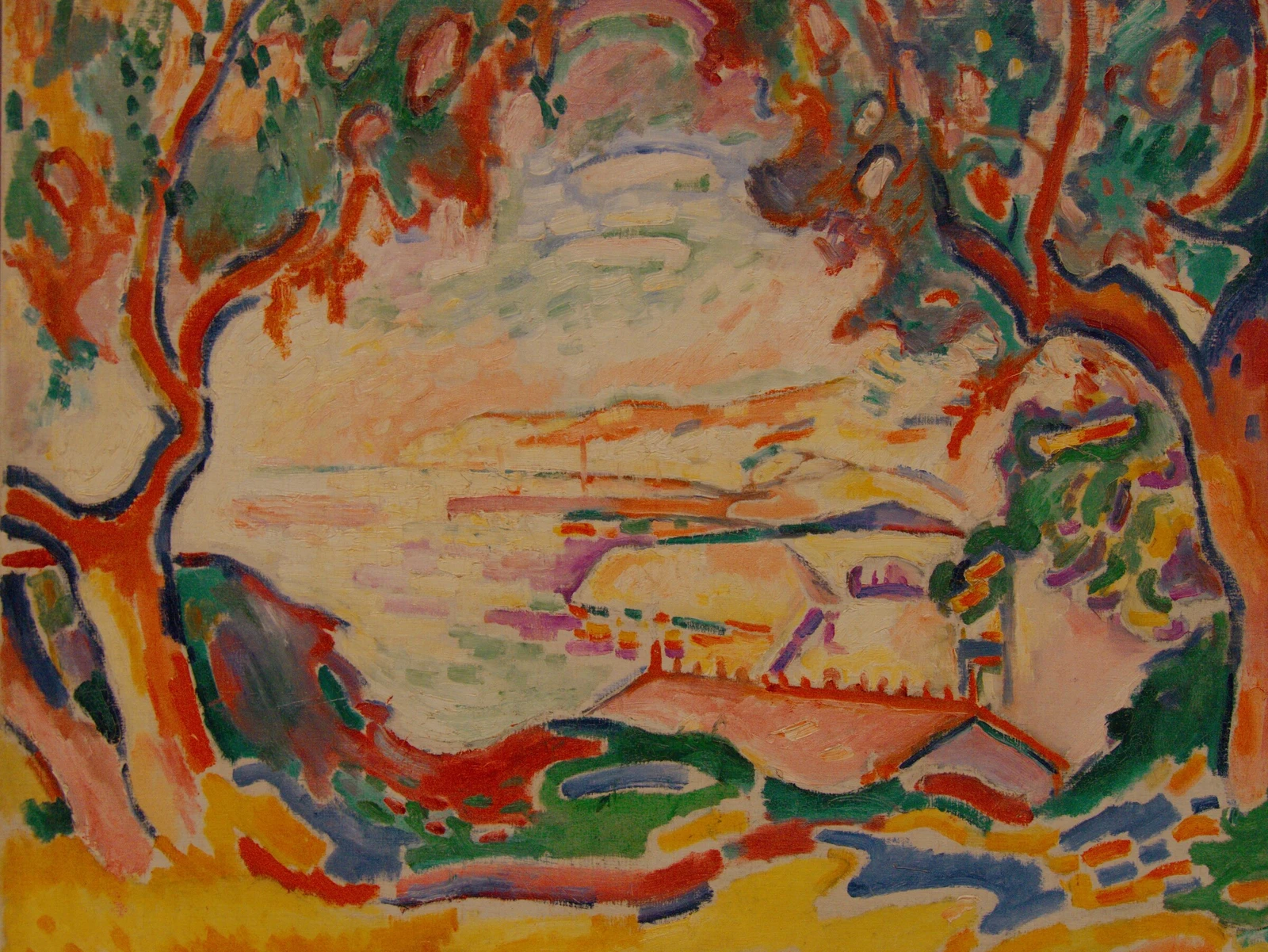
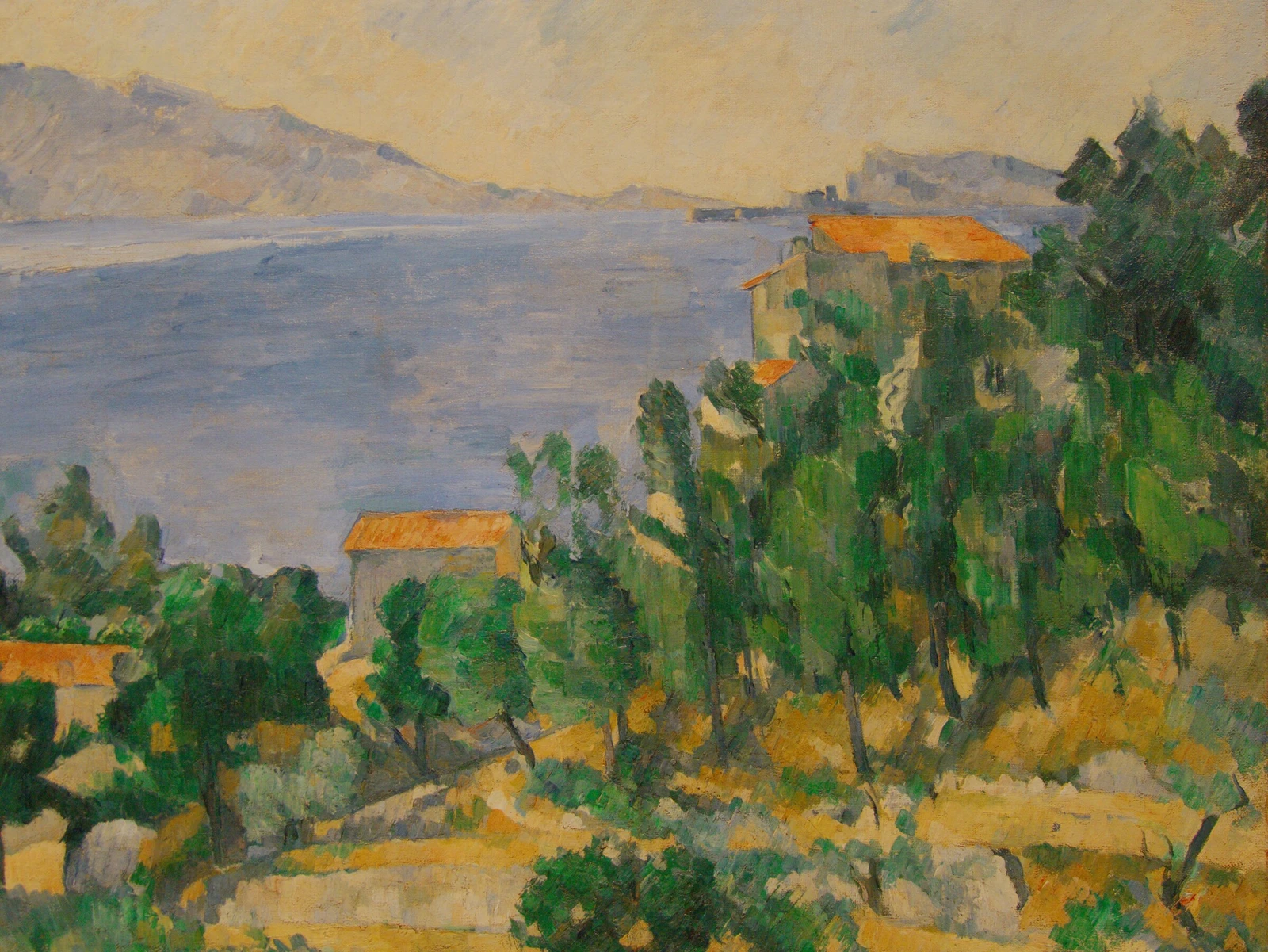
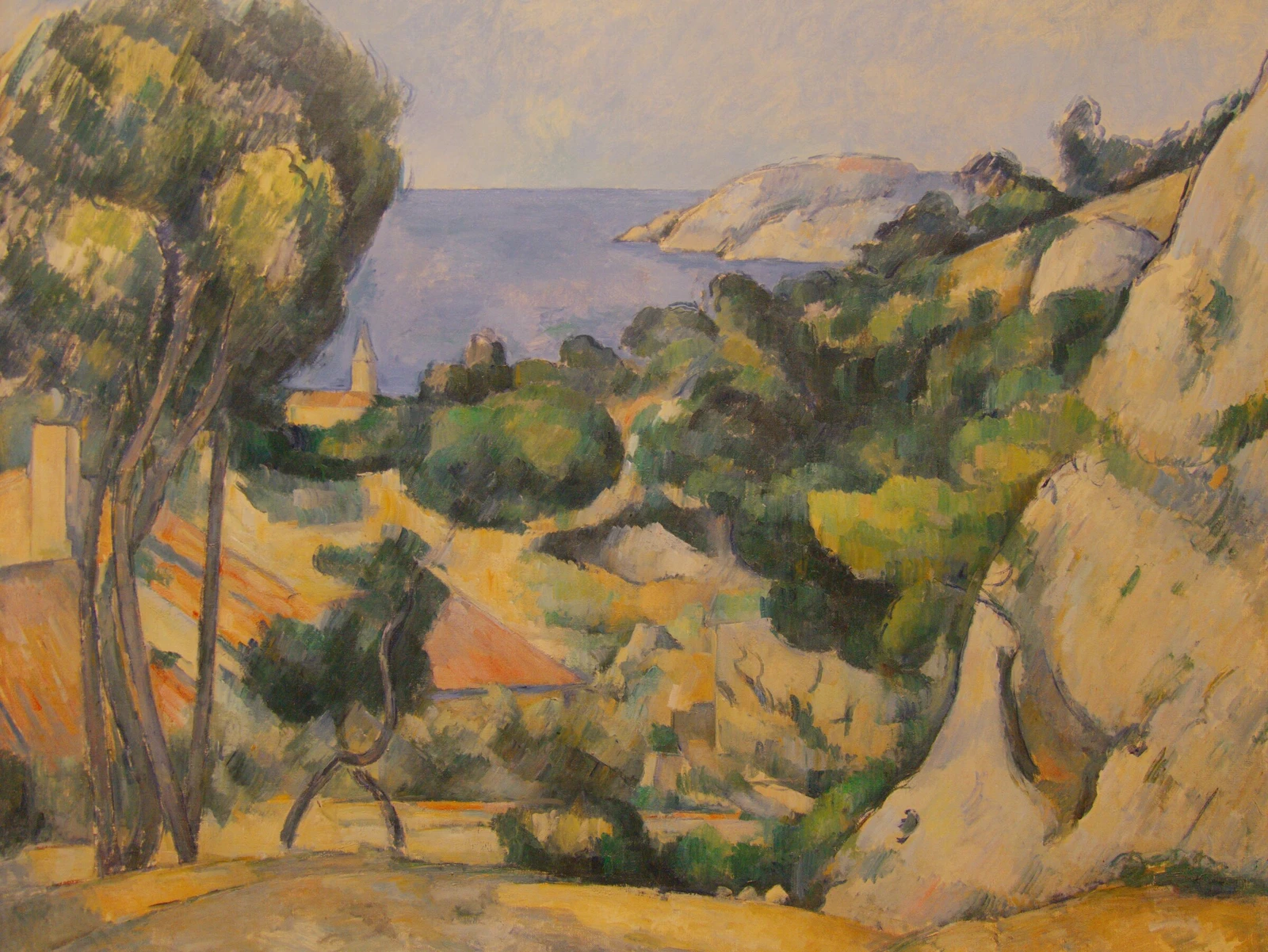
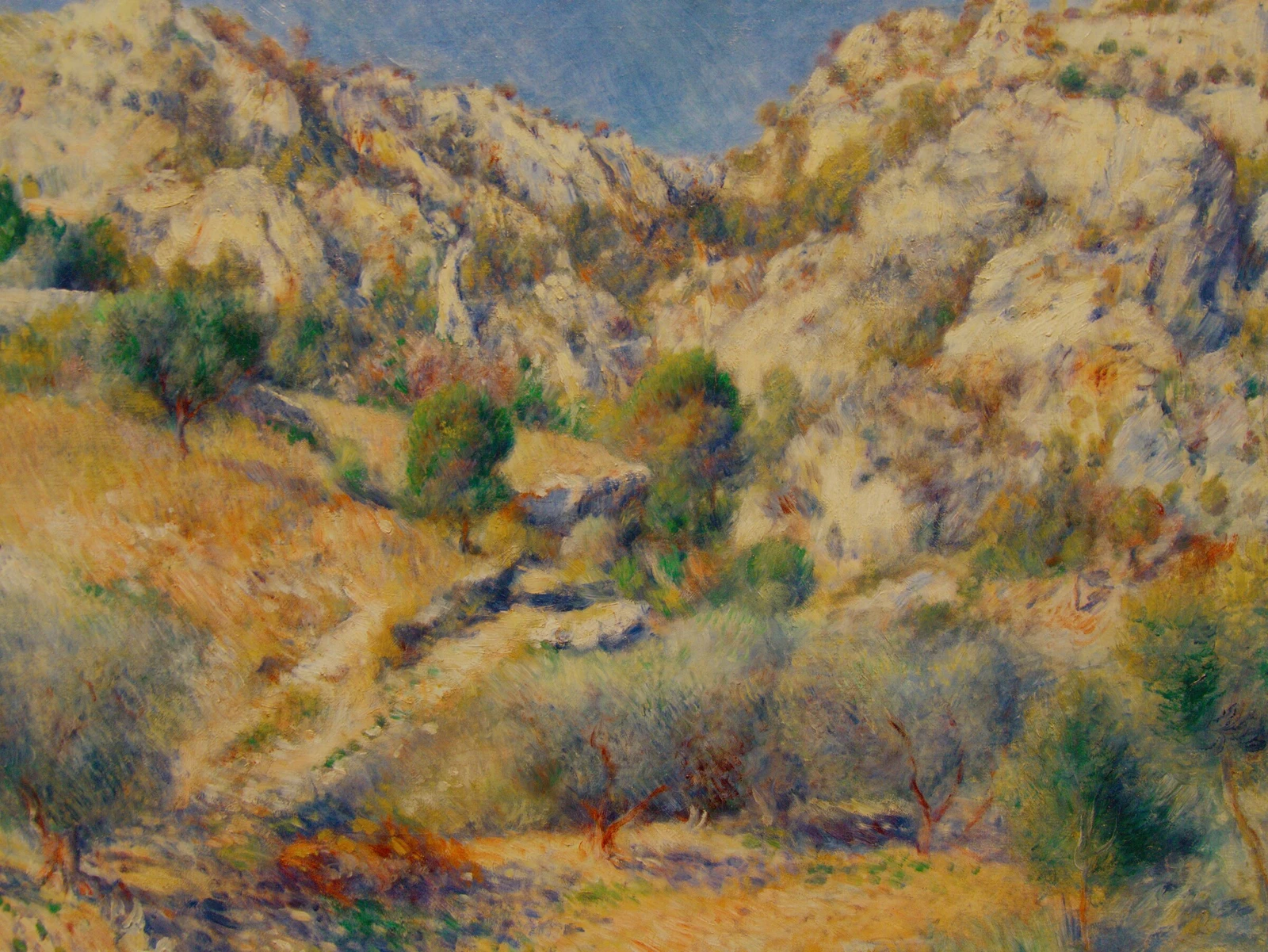
Georges Braque, Paysage à l’Estaque, 1906
There is something about the light that makes the sky of the Midi look higher, much higher than it does in the north.
— Georges Braque
For Braque, L’Estaque was also a place of pilgrimage. Cézanne’s landscapes inspired him as a teenager. He now had a chance to do it his way.
The cheap hotel (70 francs a month) kept him there for five months. His landscapes were loud, vibrant, full of colour – all that a Fauve painting needs. Yet, unlike others, they subverted the idea of what a landscape was meant to be through a waning sense of place.
I may say that my first paintings of L’Estaque were already conceived before my departure. I took great care, nevertheless, to place them under the influence of the light, the atmosphere, and the reviving effect of the rain on the colours.
— Georges Braque
Back in Paris in 1907, he exhibits six of his paintings at the Salon des Indépendants. Five of them sell immediately to a German collector. The sixth is snatched by one young Daniel-Henry Kahnweiler, who was just opening his gallery at 28 rue Vignon.
“At that moment I understood that I was a painter. Until then I had not believed it,” Braque said.
La Ciotat
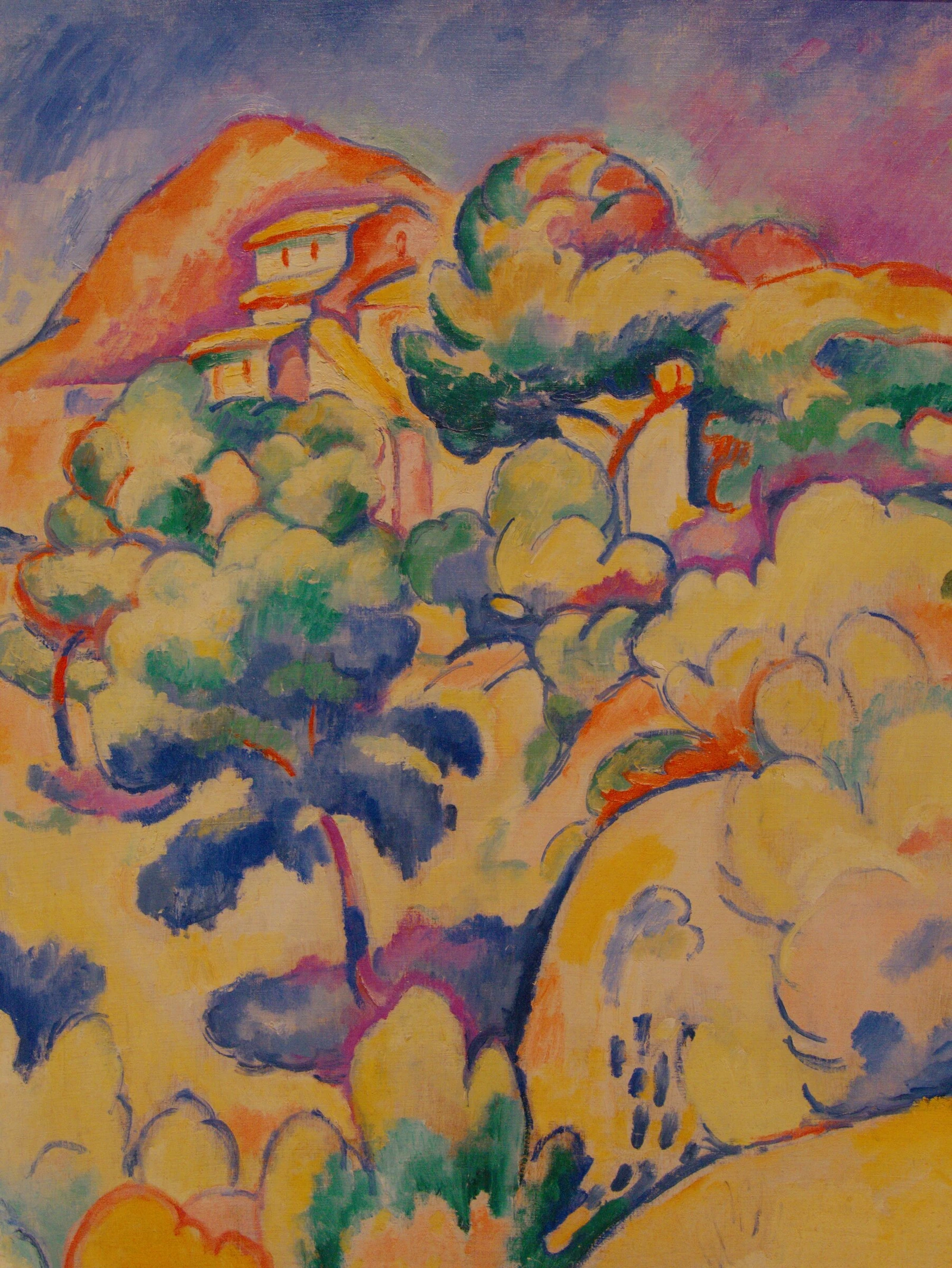
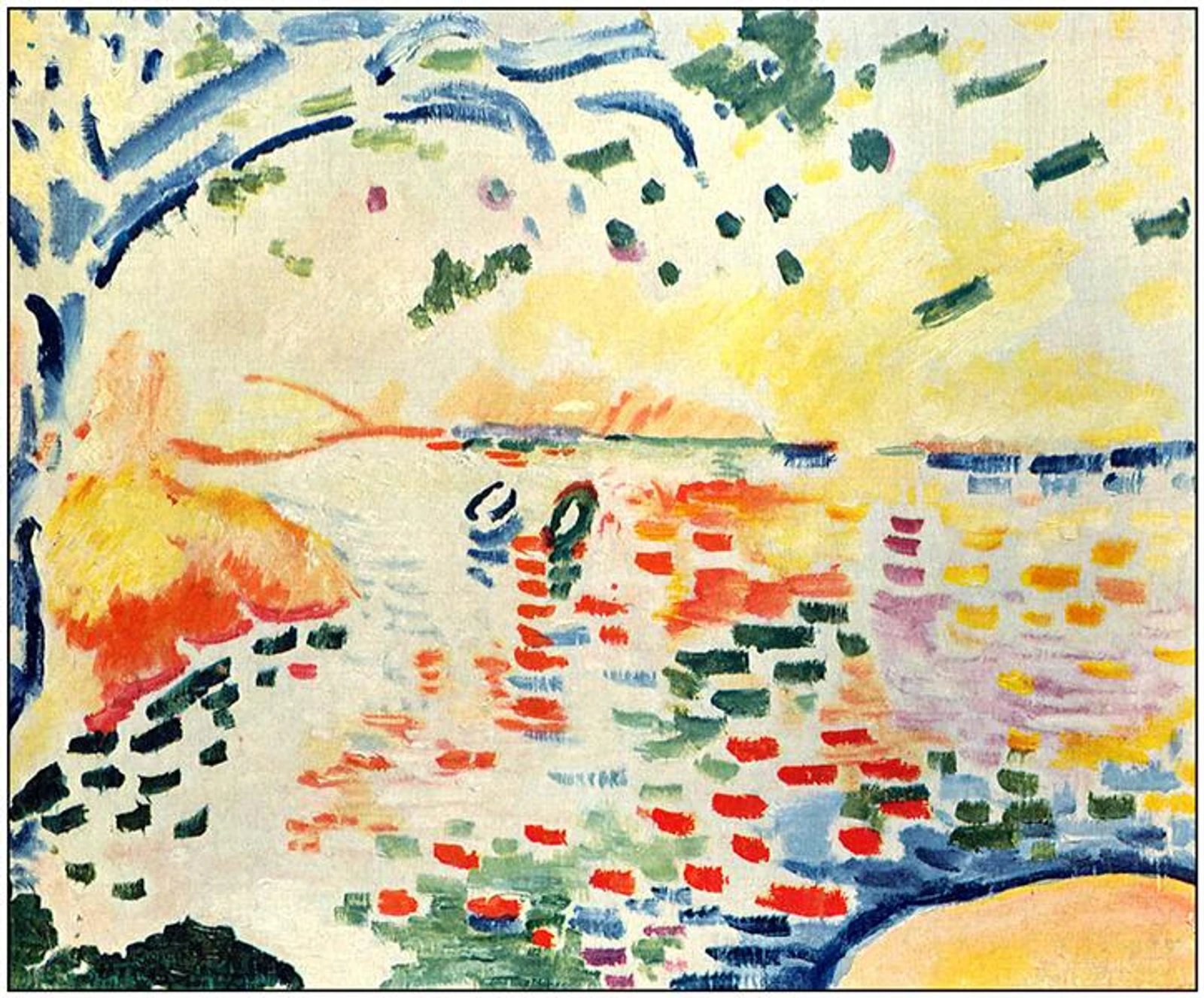
Georges Braque, Landscape at La Ciotat, 1907
The enthusiastic Braque returns to the Midi the following summer, this time to La Ciotat. There, he continues his experiments. Some of it looks cartoonish. Some, like The Little Bay of La Ciotat, would outrage Signac, as desecrated Divisionist paintings. Braque regretted selling it later on, as it was “a Fauve painting that doesn’t roar”.
On the way back, he couldn’t resist a few more days at L’Estaque to try his hand again at breaking away from the straitjacket of the traditional perspective. Braque wanted to challenge the illusion of reality when looking at a painting as if through a window. The results were what one of his biographers described as “scenic hallucinations anchored by technicolour trees.”
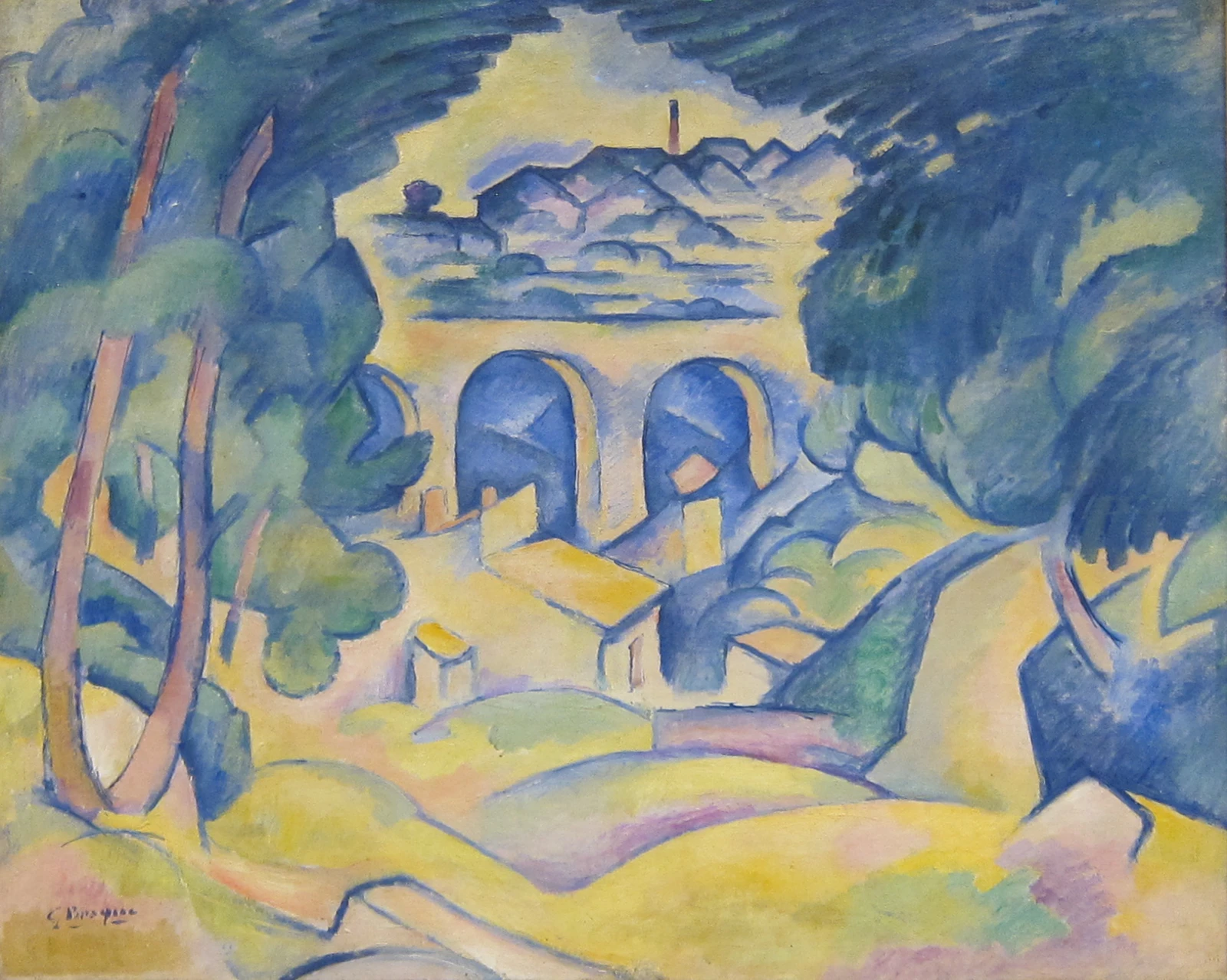
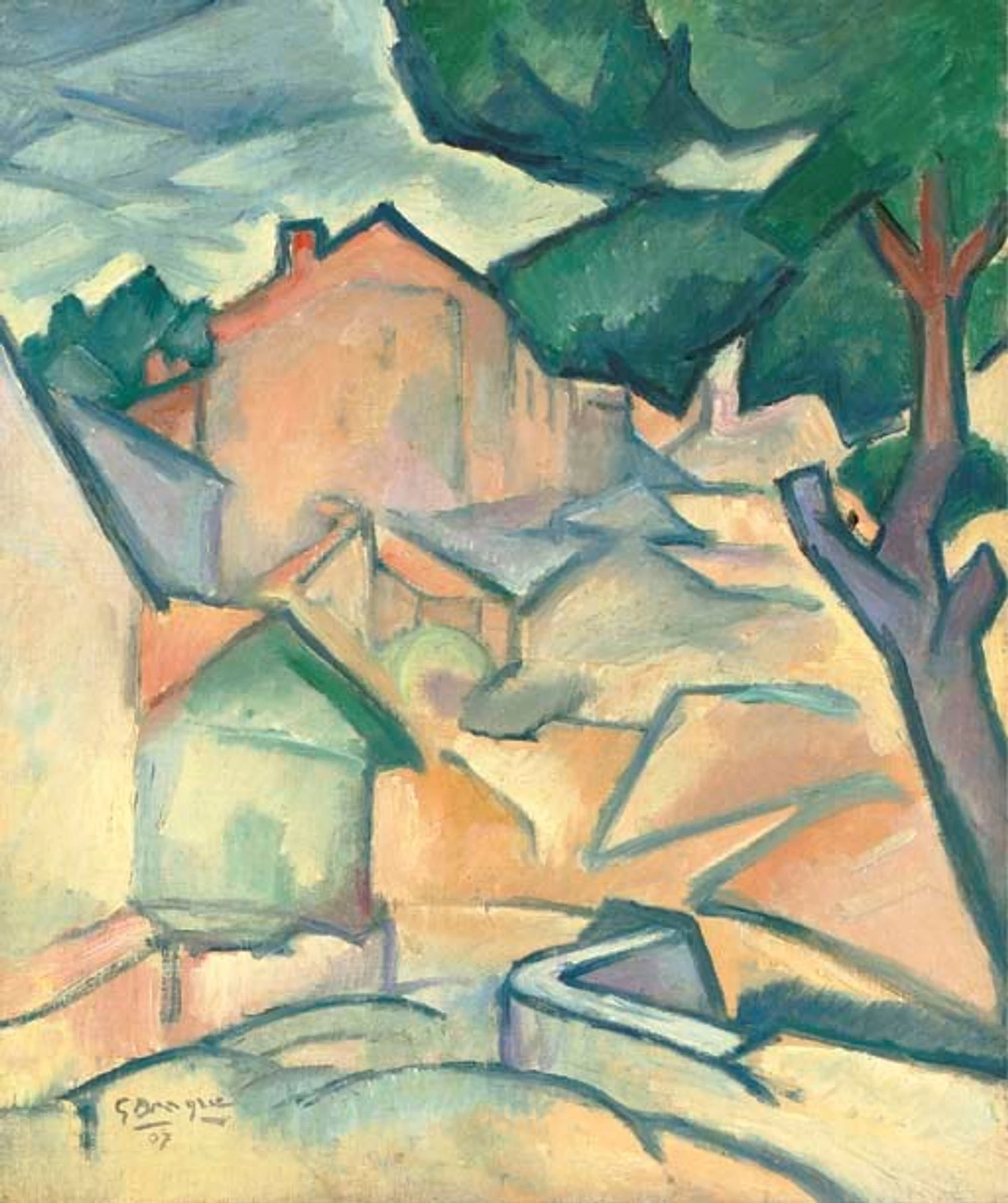
Georges Braque, The Viaduct at L’Estaque, 1907
The hard-and-fast rules of perspective which the Renaissance succeeded in imposing on art were a ghastly mistake which it has taken four centuries to redress: Cézanne and, after him, Picasso and myself can take a lot of the credit for this.
Scientific perspective is nothing but eye-fooling illusionism; it is simply a trick – a bad trick – which makes it impossible for an artist to convey a full experience of space, since it forces the objects in a picture to disappear away from the beholder instead of bringing them within his reach, as painting should.
— Georges Braque
Back in Paris, the jury at the Salon d’Automne wasn’t as enthusiastic about his experiments. They reject all but one of his submissions. In late 1907, Braque visited a small studio in Montmartre. The Spanish painter showed him his latest work. Braque’s reaction was that it made him want to “eat tow and drink kerosene”. The visit was the first of many, as Picasso and Braque would start a creative partnership that overthrew all artistic conventions.
L’Estaque
Braque was searching for something. To others, it wasn’t clear what. In an interview in 1908, he talked about his experiments on canvas, mentioning a “search for violence” and looking at nature in order to “possess it emotionally”. His aim was to render three dimensions but without any illusion. Strange words, at the time, and ever stranger questions he asked. His answers were horrific. Only one perspective? Let’s add more. Depict a single moment? How about many? Use the colours that I see? But why? Add contours? What for?
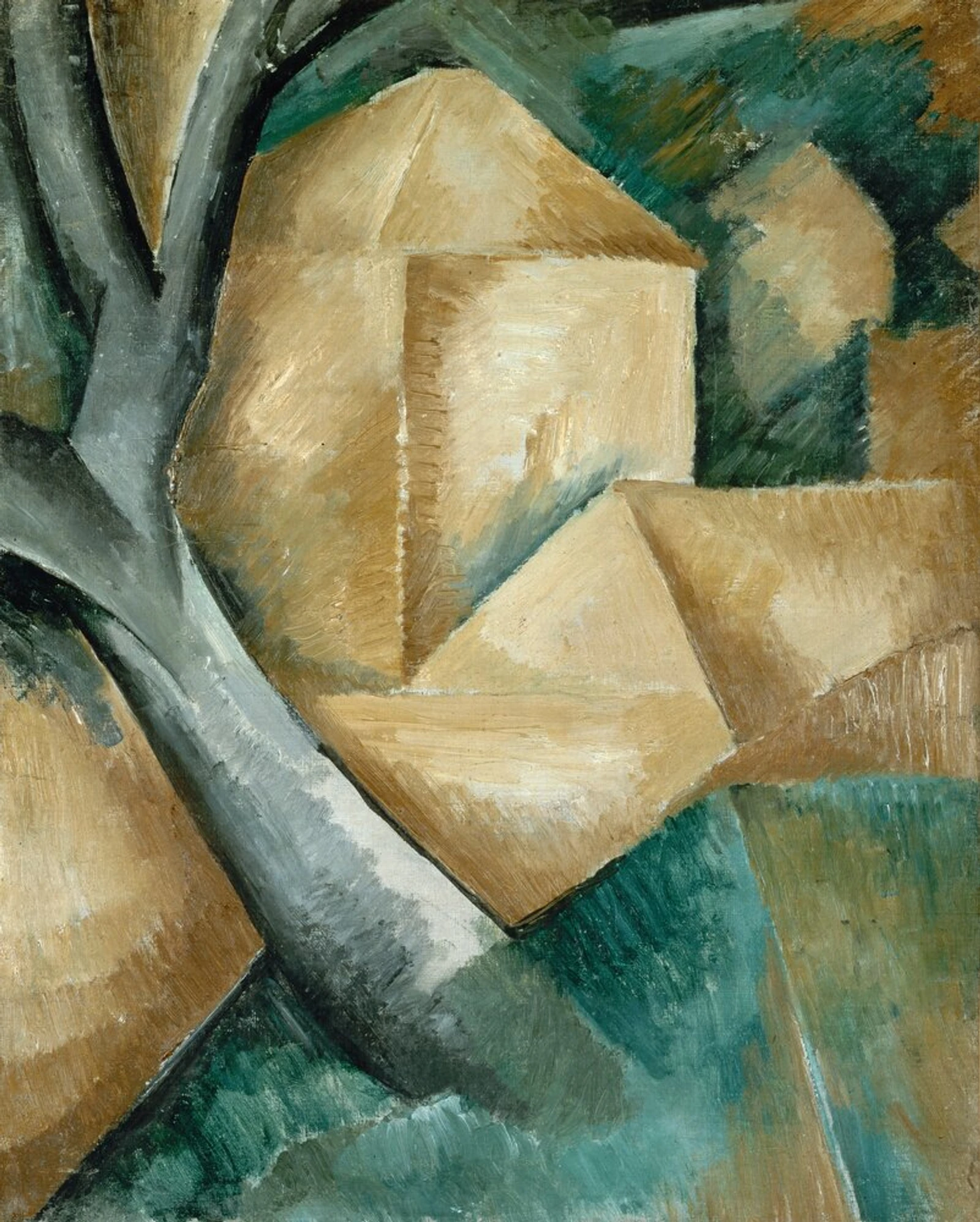
Georges Braque, Houses at L’Estaque, 1908
Back in L’Estaque, Braque spent the summer taking his experiments to unthinkable, some may say insulting, places. The sky vanished from the landscape. The houses were reduced to basic shapes.
The jury at the Salon d’Automne was not impressed. Matisse commented on the rejection, saying that it was “a painting made out of little cubes”. The astute Kahnweiler saw an opportunity. He offered Braque a one-man show on the spot. In November 1908, twenty-seven paintings crammed the walls of the claustrophobic Kahnweiler gallery – the world’s first exhibition of Cubist art.
If Impressionism was born in the light of the North, it was overthrown as the avant-garde movement in the South. Monet, Matisse, Braque, Derain, Signac, Cross, they were all running. Away from troubles, family responsibilities, war and artistic tradition. The gulfs and bays of the Côte d’Azur, the hotel rooms, the beaches, all became a studio, a place of inspiration and refuge. In their rush, these artists chased light, unaware of its speed. Somehow, not sure how, but they caught it.
Painting the French Riviera is on at the Royal Academy until January 31st 2027. Map drawn from Natural Earth data.
Interested in more stories?